
The European Commission is preparing its 22nd sanctions package against Russia, targeting banks, cryptocurrencies, and platforms facilitating financial transactions, Commission President Ursula von der Leyen announced in Dublin ahead of the November 26–27 European Council summit.
On November 18, she said the Commission would present the package next week, with the measures aiming to restrict Moscow’s financial resources and prevent sanctions evasion through third countries.
The Commission also plans to present proposals addressing Ukraine’s financial needs in 2027, including a €45 billion loan that von der Leyen herself announced. Meanwhile, EU officials continue discussing the package’s final details before the summit. Final approval is expected in December.
The upcoming package is separate from the record set of nearly 1,600 listings targeting Russia’s military-industrial complex that EU foreign ministers adopted on October 12. Novaya Gazeta Europe described those listings as the 22nd package, but the Commission’s November statements treat the 22nd package as still to come.
EU diplomats identified restrictions on Russian banks, cryptocurrency transactions, and digital asset platforms as priorities in efforts to limit Moscow’s access to international financial services.
The Commission also plans to address sanctions circumvention through third countries. These restrictions would target financial channels that allow Russian entities to bypass existing EU measures.
The proposal could also restrict Russian and Belarusian athletes from participating in international sporting events within the EU.
EU foreign policy chief Kaja Kallas supported stronger sporting restrictions during discussions alongside a Group of Seven meeting. She argued that international sporting events help Moscow project legitimacy and influence abroad.
Kallas also confirmed ongoing discussions about potential visa restrictions for Russian former combatants.
113 sanctions listings targeting Russian financial networks
The EU adopted separate sanctions against 113 individuals and entities on November 16. These measures target nearly 50 additional Russian banks and financial institutions, expanding restrictions across Moscow’s financial sector.
The listings also cover Russia’s e-commerce industry, including individuals connected to Wildberries and Ozon.
Additionally, the EU targeted companies supporting Russian oil production, refinery operations, and international energy exports, also covering businesses linked to Russia’s shadow fleet, including entities operating in China, Oman, Seychelles, and the United Arab Emirates.
Separately, the EU expanded restrictions against foreign information manipulation networks. These measures target Moscow’s Social Design Agency public relations and political technology firm, several media figures, and the pro-Russian hacking group NoName057(16).
The November 16 measures form an adopted sanctions action, separate from the proposed 22nd package.
Discussing Ukraine funding, peace negotiations
Irish Foreign Minister Helen McEntee welcomed progress toward greater European involvement in Ukraine peace negotiations. She said European countries need a common position covering security, political responsibilities, economic recovery, and humanitarian assistance.
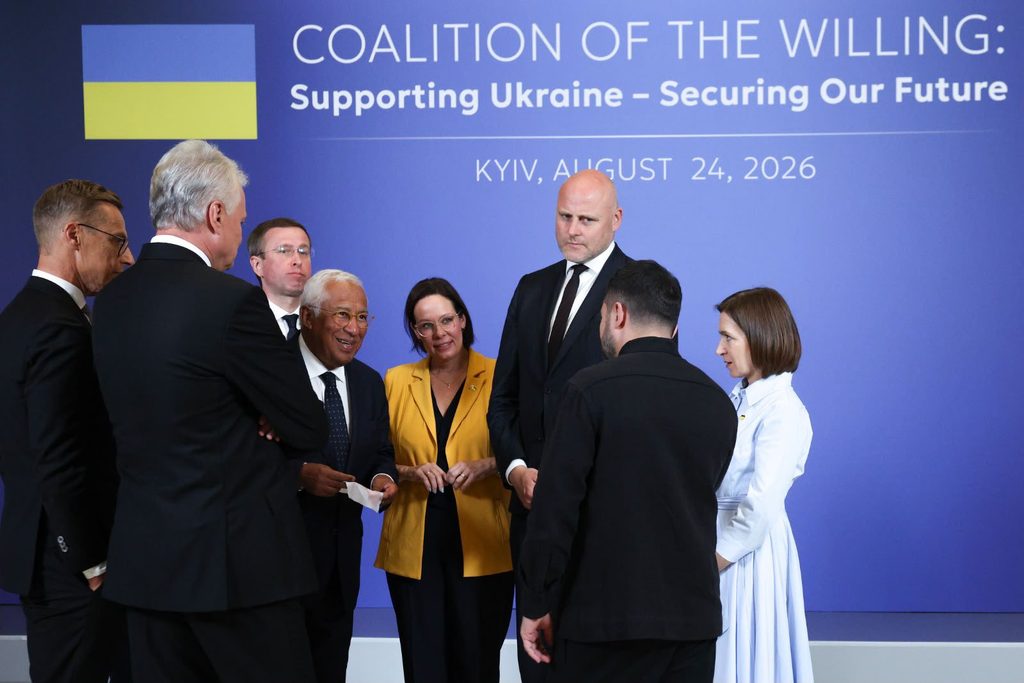
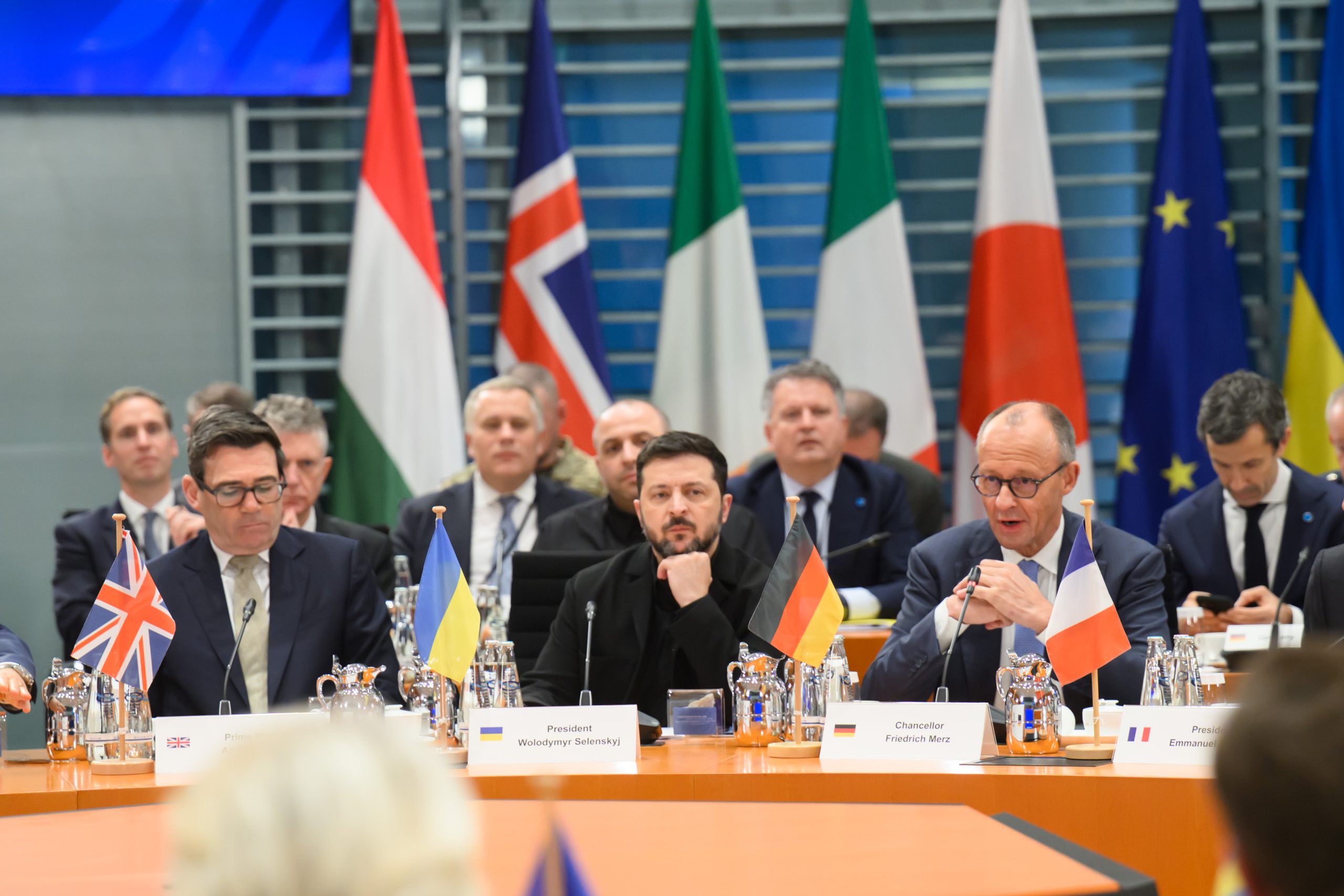
Meanwhile, the Coalition of the Willing met in Berlin on November 19, with more than 40 participants joining in-person and online. U.S. envoys Jared Kushner and Steve Witkoff also travelled to Berlin to meet Ukrainian President Volodymyr Zelenskyy and European leaders on post-war security guarantees.
The group could potentially support security arrangements following a potential ceasefire.
In a joint statement after the meeting, leaders condemned Russian missile and drone attacks on civilian infrastructure as part of a systematic escalation and named stronger air defence for Ukraine as a priority.
The upcoming European Council summit will provide another opportunity to discuss sanctions and Ukraine’s future financing requirements.
Featured image: Volodymyr Zelenskyy via X