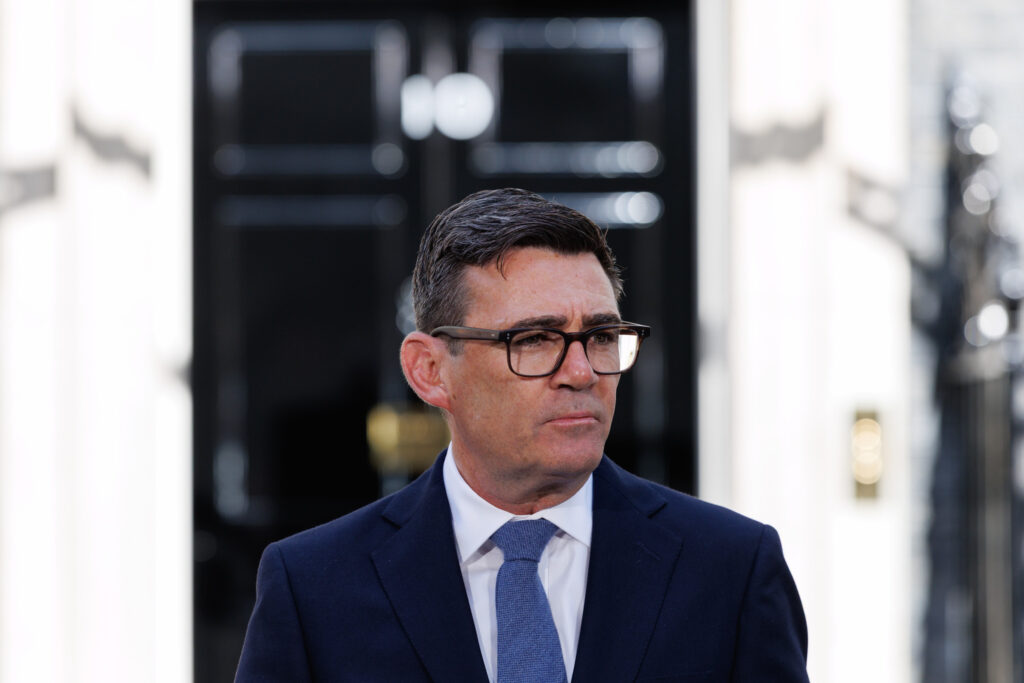



Clacton-On-Sea, United Kingdom – Ten years on from the Brexit vote, the debate about Britain’s proximity to, and potential membership of, the European Union (EU) remains contentious. Since coming into office in July, UK Prime Minister Andy Burnham has not clarified his current stance on the matter.
As of this year, polling consistently demonstrates that over 50% of the British electorate would vote to join the EU if a referendum on the UK’s re-accession were held.
However, the governing British Labour Party, which Burnham now leads, remains nominally committed to remaining outside of the European Union.
Former PM Keir Starmer’s Labour Party manifesto for the 2024 General Election included a number of so-called “red lines” designed to delineate the limits of UK-EU cooperation and integration in order to respect the decision to leave the bloc.
These red lines included no return to freedom of movement, the single market or the customs union – three key pillars of EU membership.
Burnham’s cautious europhilia
Over the course of his political career, Burnham’s messaging on the subject of Britain’s proximity to the EU has been mixed.
Last year, at the Labour Party Conference, the former Greater Manchester mayor said that he would like to see Britain rejoin the EU in his lifetime.
But in the buildup to the Makerfield by-election, the contest which brought Burnham back to parliament and thus made him eligible to stand for Labour leader and prime minister, Burnham clarified that he would not seek to return the UK to the political and economic union.
“My view is that Brexit has been damaging, but I also believe the last thing we should do right now is re-run those arguments,” Burnham said in May.
In the Brexit referendum, approximately 65% of voters in Makerfield backed leaving the EU. It is unclear whether Burnham’s comments in spring were designed to appeal to leave-leaning voters in the north-western constituency, or whether they represent a genuine intention to move Britain past the Brexit debate.
Hamish Falconer, Burnham’s Minister for European relations, has stated that under Burnham’s tenure the UK government would seek a “deeper relationship” with the EU.
Falconer also did not rule out the possibility that Labour would make rejoining the EU a manifesto pledge at the next election.
The question facing Labour: Reset or rejoin?
Burnham’s predecessor Starmer sought to bring Britain closer to its European counterparts. A UK-EU “reset summit” was initially scheduled for July 22, but was later postponed because of Starmer’s resignation.
Read more: Brexit debate re-centred as Starmer announces EU reset after poor local election results
The summit is now expected to be held during the autumn. One of the key priorities for the meeting will likely be the need to progress talks over a youth mobility scheme, which would allow British and European 18 to 30 year olds to work and or study in the other territory for a limited period.
The UK reportedly wants an annual cap of 50,000 on the number of EU-based recipients of the scheme, whereas Brussels is allegedly pushing for 150,000.
Youth mobility is not the only issue in the UK-EU relationship that Burnham’s government will have to contend with; a proposal to rejoin the EU’s single market – the largest integrated trading area in the world – has reportedly been presented to the PM.
The proposal to rejoin the single market, drawn up by former Conservative MP Nick Boles, would involve the UK extending its nuclear umbrella to cover non-NATO countries in Europe in exchange for membership of the single market without an obligation to accept European freedom of movement or membership of the Eurozone.
The proposal would represent a radical change in post-Brexit Britain, as all governments since the referendum have firmly ruled out rejoining the single market.
Although Burnham’s national security advisor Johnathan Powell is said to have seen the proposal, which implies that it is being taken seriously, there is no guarantee that this suggested return to the single market will become policy.
John Stevens, a former Conservative Member of the European Parliament and the candidate for the europhile Rejoin EU party in the upcoming Clacton by-election, spoke to EU Reports about his thoughts on Burnham’s policy.
“There’s no question that Burnham wants to rejoin the EU […] He is sincere about that,” Stevens argued. “But he is obviously very cautious, and that’s the problem. What the current situation requires is bold measures,” the former Tory continued.
Stevens is running in Clacton against the incumbent Nigel Farage, who was a leading figure in the pro-Brexit movement and now leads the profoundly eurosceptic Reform UK party.
Clacton is one of the most profoundly eurosceptic areas of the UK, with 70% voting to leave in the 2016 referendum.
Stevens speculated that, if anti-Brexit candidates won a significant number of votes in Clacton, Burnham could recognize the popularity of a pro-EU position and commit a future Labour government under his leadership to rejoining the EU.
“If there is any sort of anti-Brexit vote here, in Brexit central [Clacton] of all places, that will encourage him [Burnham] to put rejoining the EU in the next Labour manifesto.”
Featured Image: The British and European Union flags
Image Credit: TheDigitalArtist via Wikimedia Commons
License: Creative Commons Licenses