
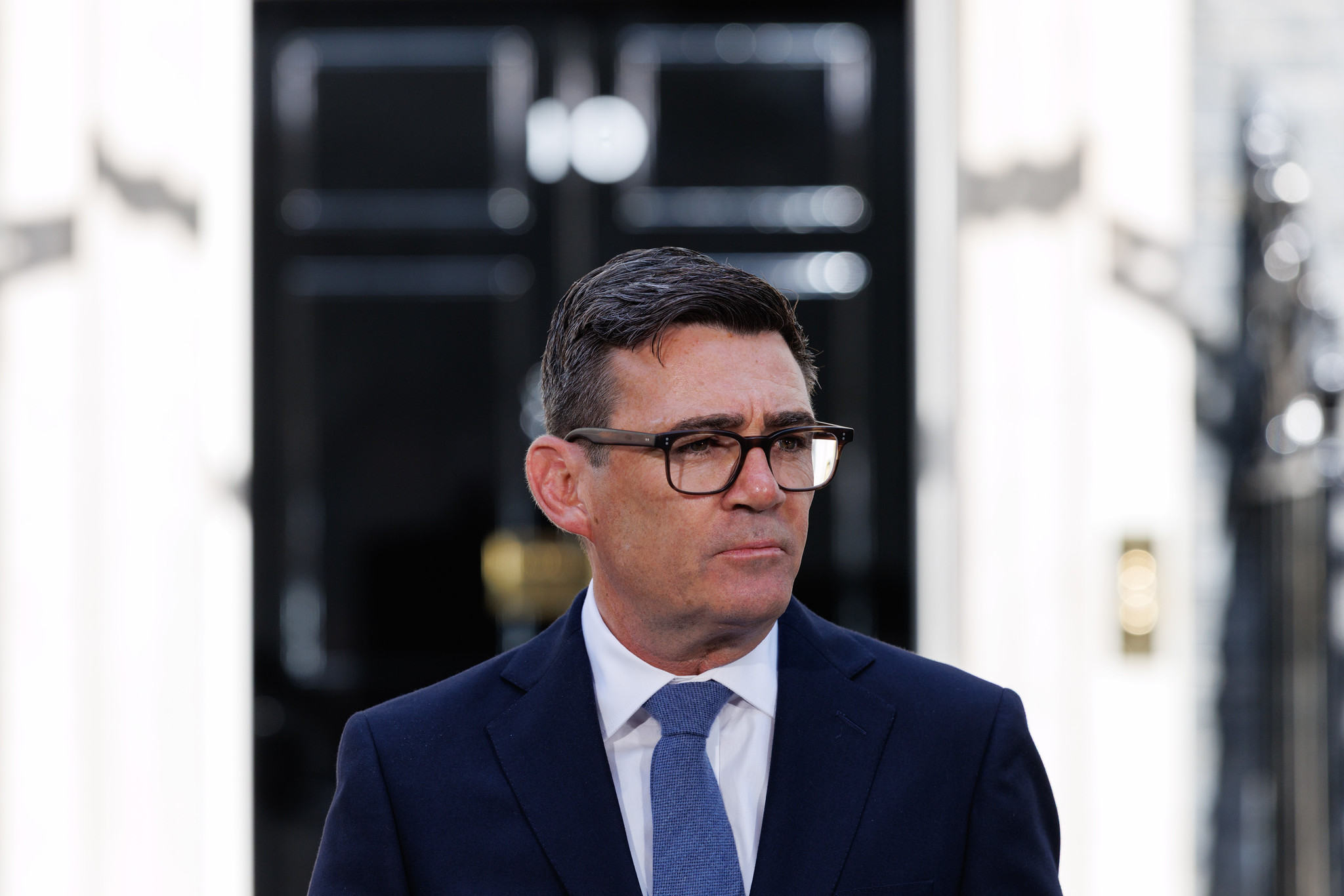

UK Prime Minister Andy Burnham has unveiled what his government deems the biggest transfer of power to English regions in a generation, announcing plans to let mayors keep a share of the income tax raised in their areas.
The announcement is also a test of political credibility. Burnham built his reputation as Mayor of Greater Manchester arguing that Westminster starved regions of both funding and trust, and this is his first mayor policy move since succeeding Keir Starmer as prime minister last month.
Beyond income tax, the plan expands local control over business rates, housing, transport, skills and employment support, representing part of a broader effort to shift funding and decision-making away from Westminster and toward regional leaders.
Announcing the plan, Burnham said he knew what it was like “to be ignored by politicians in Westminster” and pledged to not repeat the pattern now that he holds the office himself.
“Soon, every local leader will have the power and resources to improve public transport, build homes and create jobs,” he stressed.
Mayors gain new revenue powers
Burnham will allow mayors to retain part of the income tax raised within their regions, while increasing the share of locally collected business rates that strategic authorities can keep. The stated goal is to link regional growth directly to local spending power.
Starting April 2027, mayors will retain more business rates, with income tax sharing following in April 2028. Chancellor John Healey will publish a detailed roadmap during the October 28 autumn budget, alongside safeguards for regions with smaller tax bases and greater public need.
Crucially, however, the government has not yet confirmed how large a share of income tax or business rates mayors will actually receive, which has been the focus of most early criticism.
The model will be based on retained receipts rather than separate regional authorities, expanding local spending power without creating new regional tax systems or changing the rate residents pay.
Planning and transport powers expand
Strategic authorities will also gain stronger powers over housing and major regeneration projects, including more control over planning, devolved funding, and stalled development sites. This would allow local leaders to shape projects around regional housing and infrastructure needs.
On transport, the government will streamline approval rules for tramways, roads, light rail, and other schemes. Mayors will be able to advance locally-funded projects worth up to £500 million (€583.6 million) without Whitehall approval, up from the previous £200 million threshold (€233.4 million).
Local control will also extend to rail and bus services, while strategic authorities direct more skills funding and employment support toward regional labour needs.
Devolution plan covers all English regions
Areas without elected mayors will receive support to create strategic authorities across England, bring councils together to manage transport, housing, skills, and economic development. Council leaders will take joint decisions where residents do not elect a regional mayor.
Burnham will coordinate the reforms through Number 10 North in Manchester, working with mayors and councils to remove barriers and accelerate regional projects.
This strategy mirrors the model the now-PM ran as Greater Manchester’s mayor, and one critics say risks projecting his own regional experience onto areas with very different needs.
That criticism has come chiefly from the Conservatives. Shadow local government Secretary James Cleverly argues the plan amounts to “top-down Manchesterism [that] will lead to higher taxes, with no guarantee of better outcomes” for local people, warning that a model built around Manchester may not translate to areas like Essex or Cornwall.
Shadow Chancellor Mel Stride was more direct about the plan’s substance, calling the announcement “very short on the detail” and noting no new money had actually been committed.
The government’s response has centred on an equalisation system designed to protect regions with weaker tax bases from being left behind by a receipts-based model.
Burnham has framed the wider devolution push as bringing “an end to the begging-bowl culture of the past,” though the absence of confirmed figures means it remains unclear whether the safeguards will be strong enough to satisfy poorer regions once the October budget roadmap is published.
Uneven ground: electorate mood and social stakes
The reform lands at a moment when public patience with Westminster is already thin. Burnham’s own party has cited the recent Gorton and Denton by-election loss, which Labour had held since the 1930s, as evidence of a fracture between voters and the political class.
Speaking after that defeat, Burnham said it “revealed the full depth of the chasm between people and Westminster politics.” Whether a fiscal devolution package can meaningfully close that gap, rather than simply redirect frustration toward regional leaders instead of national ones, remains untested.
The social implications are most acute for the roughly half of England’s population living outside areas with an elected mayor. Some Labour backbenchers have already warned the plan risks locking these regions out of new funding, pointing to a 2025 local growth fund that excluded non-mayoral areas from a £1.5 billion (€1.75 billion) funding package.
A 2024 King’s College London and Harvard Kennedy School joint working paper, however, cautioned that too much devolution could reinforce “postcode lotteries and regional disparities” unless paired with meaningful redistribution.
There is also a pocketbook dimension for ordinary voters. Whereas Stride argues the reform could ultimately push local tax burdens upward, the government dissents, noting national income tax rates will not change as a direct result of the policy.
Public appetite for devolution itself is not new, but delivery has historically lagged behind polling enthusiasm. Turnout for this year’s Scottish and Welsh devolved parliament elections sat just above 50%, well below the near-60% turnout in the last UK general election. The gap has been cited as evidence that devolved institutions have struggled to capture public imagination, even when voters say they want more local control.
Whether Burnham’s mayoral model, built on the more visible, single-figure accountability of directly elected mayors, faces differently is likely to be one of the more closely watched social tests of his premiership.
Featured image: Number 10 via Flickr
Author: Lauren Hurley / No 10 Downing Street
Creative Commons Licenses