
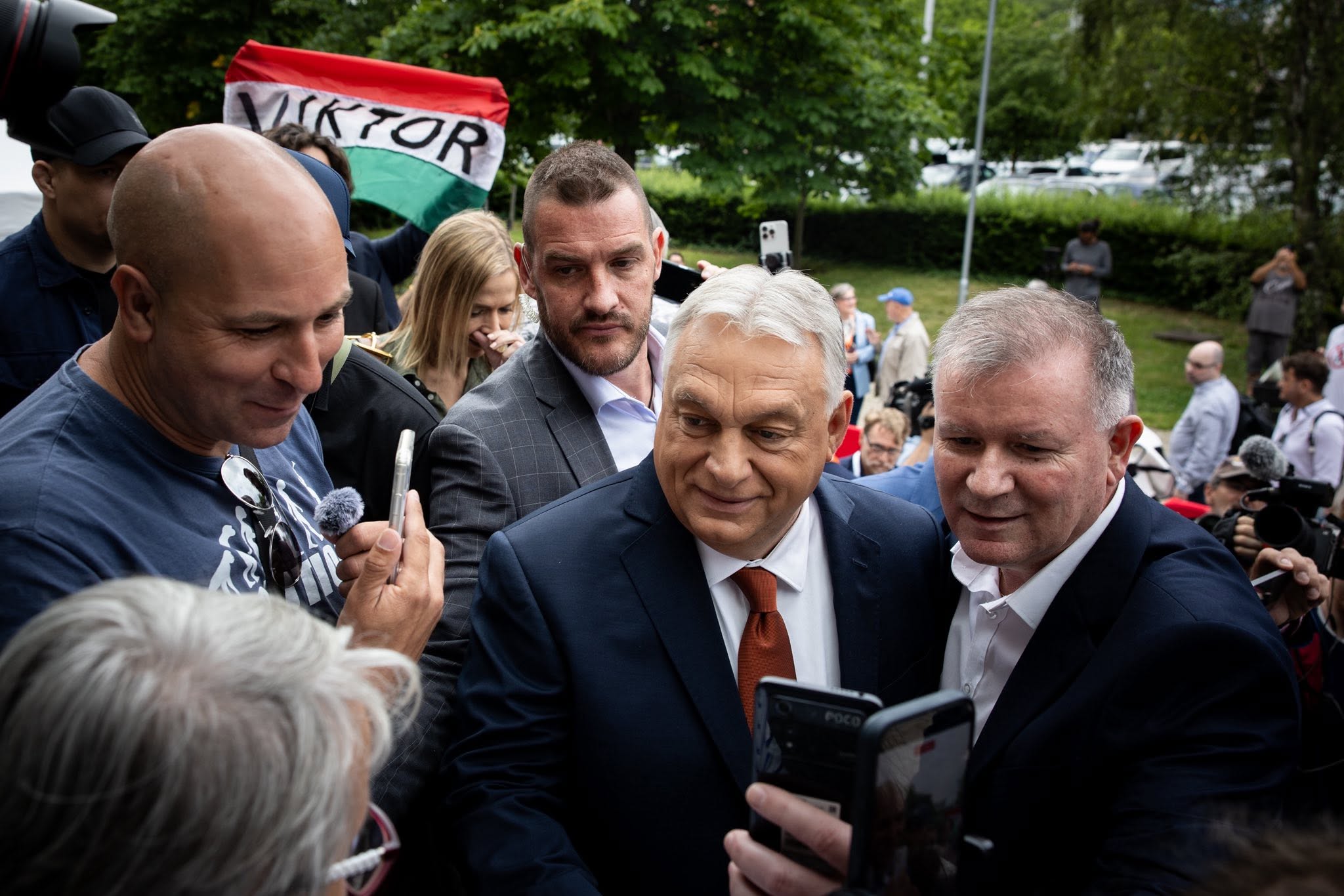
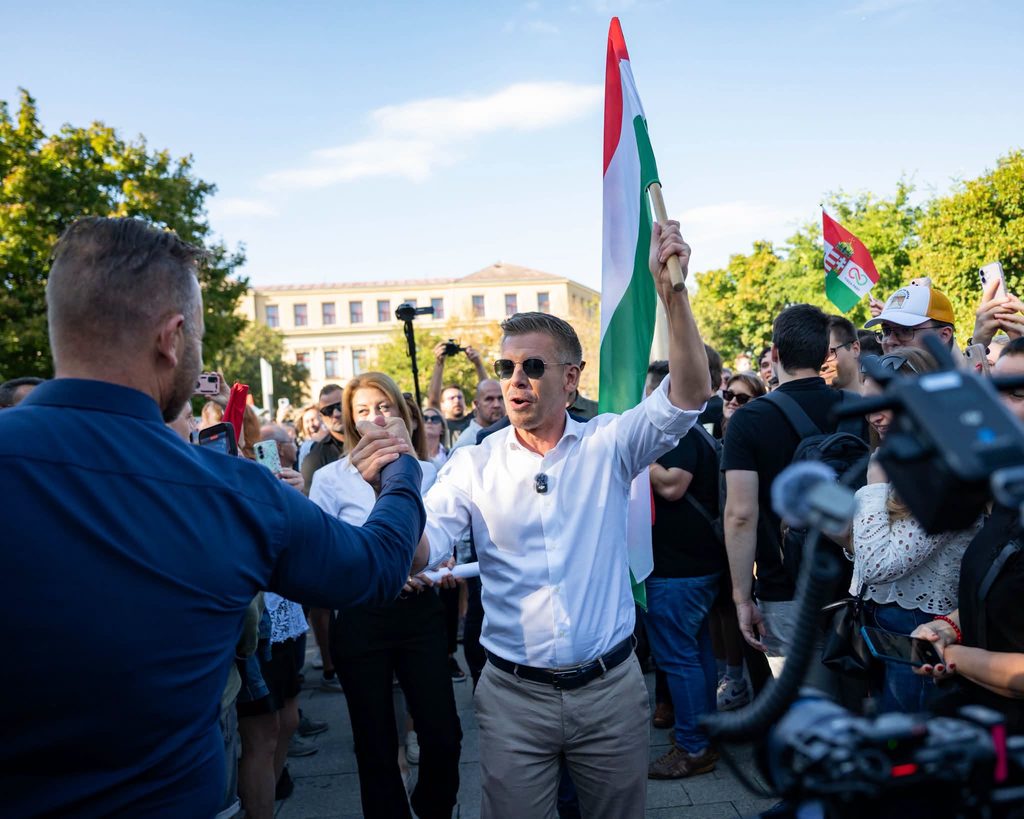
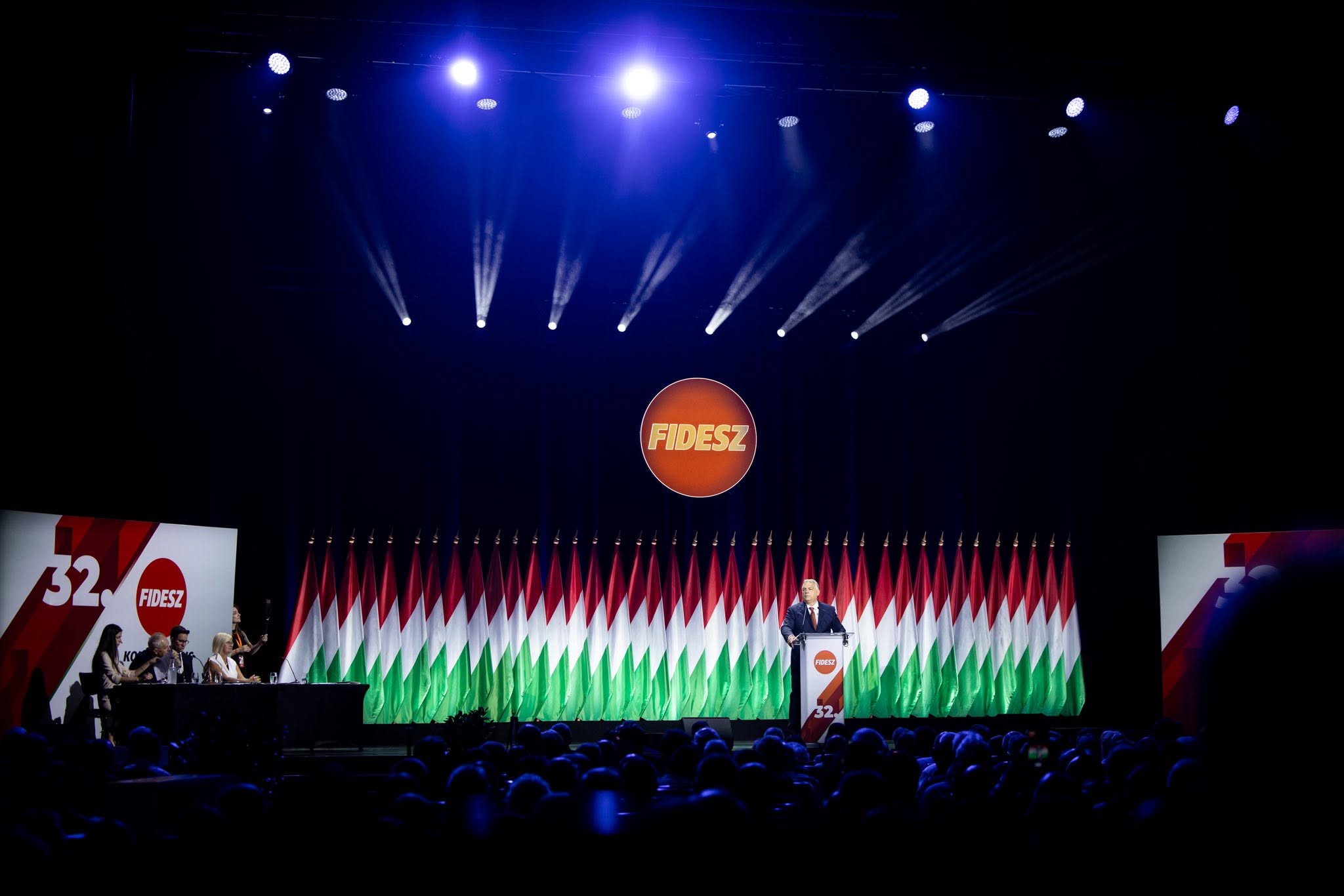
Former Hungarian Prime Minister Viktor Orbán was reelected as the leader of the Hungarian Civic Alliance (Fidesz) party on June 13, winning the endorsement of 729 out of the 737 delegates – and running unopposed.
Fidesz governed Hungary from 2010 until the election held in April 2026, where it lost by a landslide to Péter Magyar’s centre-right Tisza Party following four consecutive terms; Orbán has led the party consecutively since 2003, and from 1993 to 2000.
Magyar himself is a conservative and former member of Fidesz.
Read more: Orbán loses landmark elections in Hungary
During his time as Prime Minister, Orbán was frequently accused of corruption and illiberalism, as well as having created “an unequal playing field” by which his party could not be challenged due to its dominance over the media, judiciary, and alleged gerrymandering.
“I do not give up, I never, never, never, never, never give up,” Orbán told the delegates prior to the vote on Saturday.
His return to Fidesz leadership comes despite his resignation as a member of the National Assembly following the April election.
The Hungarian Parliament has this week further pushed through a constitutional amendment introducing term limits for the post of Prime Minister. The amendment, which was voted through on Monday in spite of opposition from Fidesz, will limit PMs to a maximum of two terms encompassing eight years – thereby in theory blocking Orbán from any chance of running again.
Whilst some had queried whether the legislation can apply to prime ministers who were in office prior to its passing, the legislation was written retroactively; Orbán’s previous terms in office would still be counted, if the amendment passed.
This will raise serious questions around its enforcement should Orbán remain as Fidesz leader going into the 2030 election – especially if the party wins. Polls since Magyar’s victory, however, have shown Fidesz’s support as continuing to decline.
Term limits had been a key pledge made by Magyar prior to the election. Having been passed by the National Assembly, it will now need to be signed into law by President Tamás Sulyok, who could be forced out by the incumbent leadership.
President Sulyok was elected in 2024 by the National Assembly, and was nominated by the Fidesz-KDNP alliance, though his role is largely ceremonial.
He was described as “unworthy” to hold the position by Magyar in the aftermath of the April election, and was also accused by the Prime Minister of both failing to represent national unity and serving the Orbán regime’s interests.
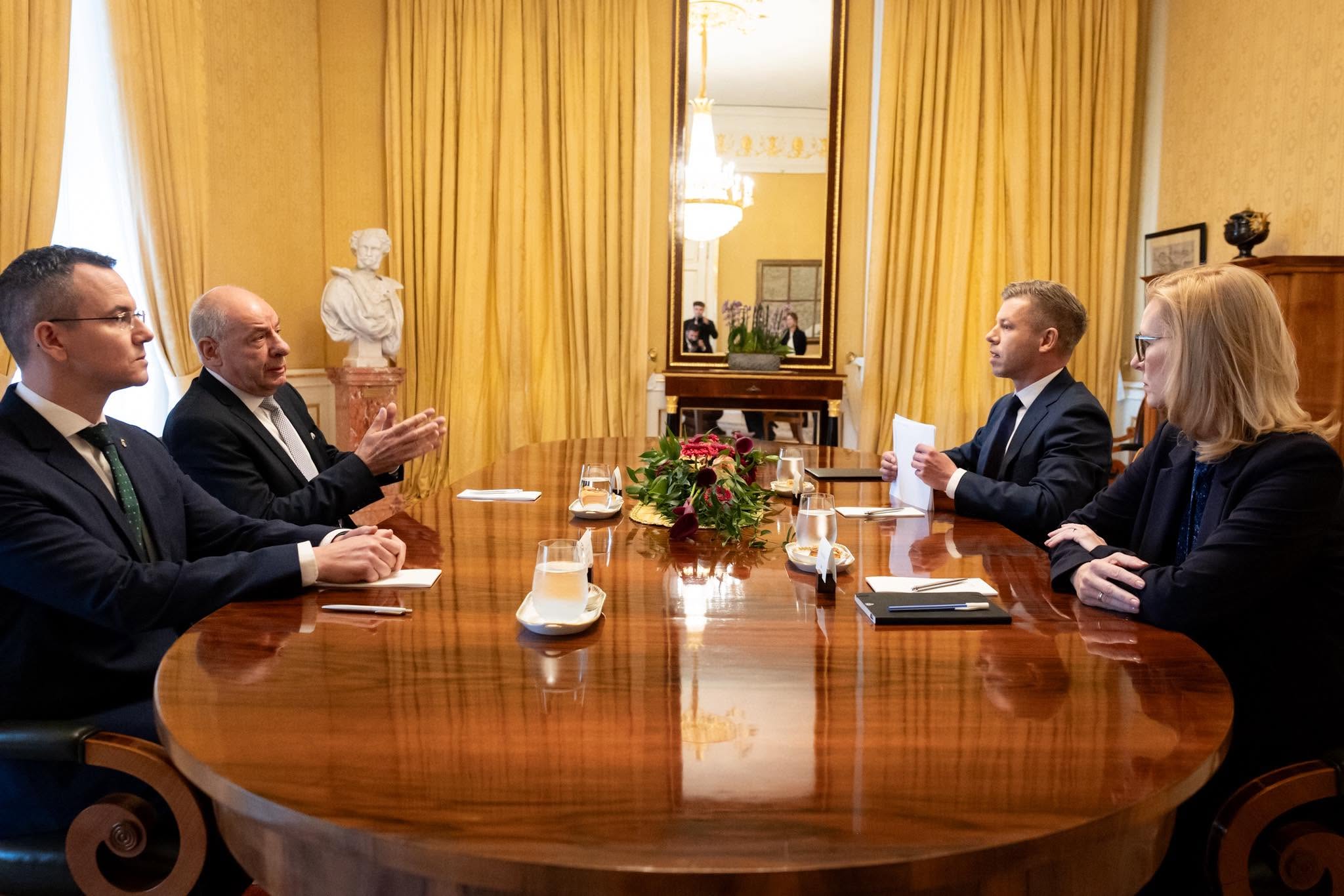
Source: Tamás Sulyok via Facebook
Magyar called on Sulyok to resign immediately following the election, and has since stated that his government will be launching legal proceedings to dismiss him.
The prime minister has said that he intends to use his two-thirds majority to implement wide ranging institutional reforms and to remove Orbán’s “puppets”.
“I have told the president that if he maintains his stance and does not resign, I will inform Tisza’s lawmakers about our legislative proposals today and we will immediately start the necessary procedures,” Magyar said earlier in June.
Fidesz, meanwhile, has accused Magyar of acting unlawfully. “The constitutional crisis that will follow is going to deepen the division in society and will harm the international reputation of Hungary’s democracy,” Sulyok responded.
Featured image: Viktor Orbán via Facebook.