
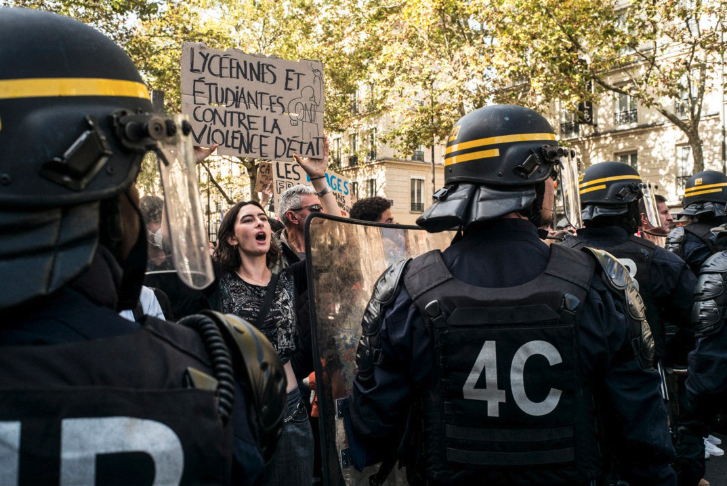
Barcelona’s protest movement from summer 2025 has become synonymous with the anti-tourism movement. Now, southern Europe braces for another season of record visitor numbers and accompanying demonstrations.
Just last year, water pistols and smoke grenades were used in a rally denouncing the 22.3 million foreign tourists that flooded the Catalonian capital between July and August. And, despite tourism being a major contributor to Barcelona’s economy – representing over 10% of the city’s GDP – it has also encouraged landlords to drive housing prices up in response to the influx of demand.
Last summer, thousands gathered across popular cities and other major tourist destinations to protest overtourism, arguing that mass tourism was driving up housing costs and forcing residents out of their own neighbourhoods. In Barcelona, for example, increasingly more apartments have shifted to the Airbnb model, whereby they’re marketed not to residents but to short-term vacationing stays.
More broadly, through southern Europe’s most popular cities – including Venice and Lisbon – a sense of injustice has become widespread, and governments along the Mediterranean have been placed under scrutiny to introduce mitigating measures against the overwhelming housing crises.
Randy Durband, CEO of the Global Sustainable Tourism Council, told EU Reports that the backlash reflects a broader failure to manage explosive growth:
“Global demand for tourism has risen dramatically and Europe’s iconic destinations remain popular — but those iconic sites are finite and have not been able to respond quickly to the great surge of the past 15 years.”
Little immediate action was taken last year to mitigate resident discomfort: Barcelona’s city government pledged to ban all short-term rentals to tourists by 2028, Venice introduced a €5-€10 day-tripper entry fee, and Lisbon froze new short-term rental licenses in parts of the city.
Critics argue these measures have so far done little to ease housing pressures, with locals believing harsher measures are required to bring costs down. In Venice, opponents of the city’s day-tripper fee described the policy as a failure, arguing tourist numbers remained extremely high despite the introduction of entry charge.
Durband argued that the problem runs deeper than individual city policies, however. “The surge of demand came too quickly for most public authorities to develop mechanisms for managing tourism, because those mechanisms rarely existed historically. Traditionally the public sector promoted but did not manage tourism — now it’s trying to catch up.”
With coordinated demonstrations planned across multiple European cities in 2026, many of those tensions are set to return. Spanish anti-tourism activist group Menys Turisme, Mes Vida (Less Tourism, More Life), from the Balearic Islands, have told travelling Britons to expect a “hostile atmosphere” in the coming months, while protest networks across southern Europe continue organising demonstrations against what campaigners describe as an unsustainable model of mass tourism.
The ongoing backlash is not simply about tourism itself, but about what many residents see as an economic model that prioritises short-term visitors over the people living in these cities year-round.
Across southern Europe, campaigners increasingly argue that governments have become too dependent on tourism revenue to meaningfully confront the housing pressures and overcrowding that mass tourism creates.
“Policymakers must find ways to disperse visitors at peak hours and peak months much more dramatically and quickly — developing more high-quality attractions near iconic sites to relieve pressure,” said Durband. In other words, the solution lies in dispersal rather than restriction.
Authorities now have an opportunity to prove that last year’s protests were not a warning ignored. Otherwise, the region’s anti-tourism movement could continue evolving from scattered demonstrations into a broader political challenge against the economic foundation of Europe’s most-visited destinations.
Featured image: Creative Commons Licenses
Via smbceo