
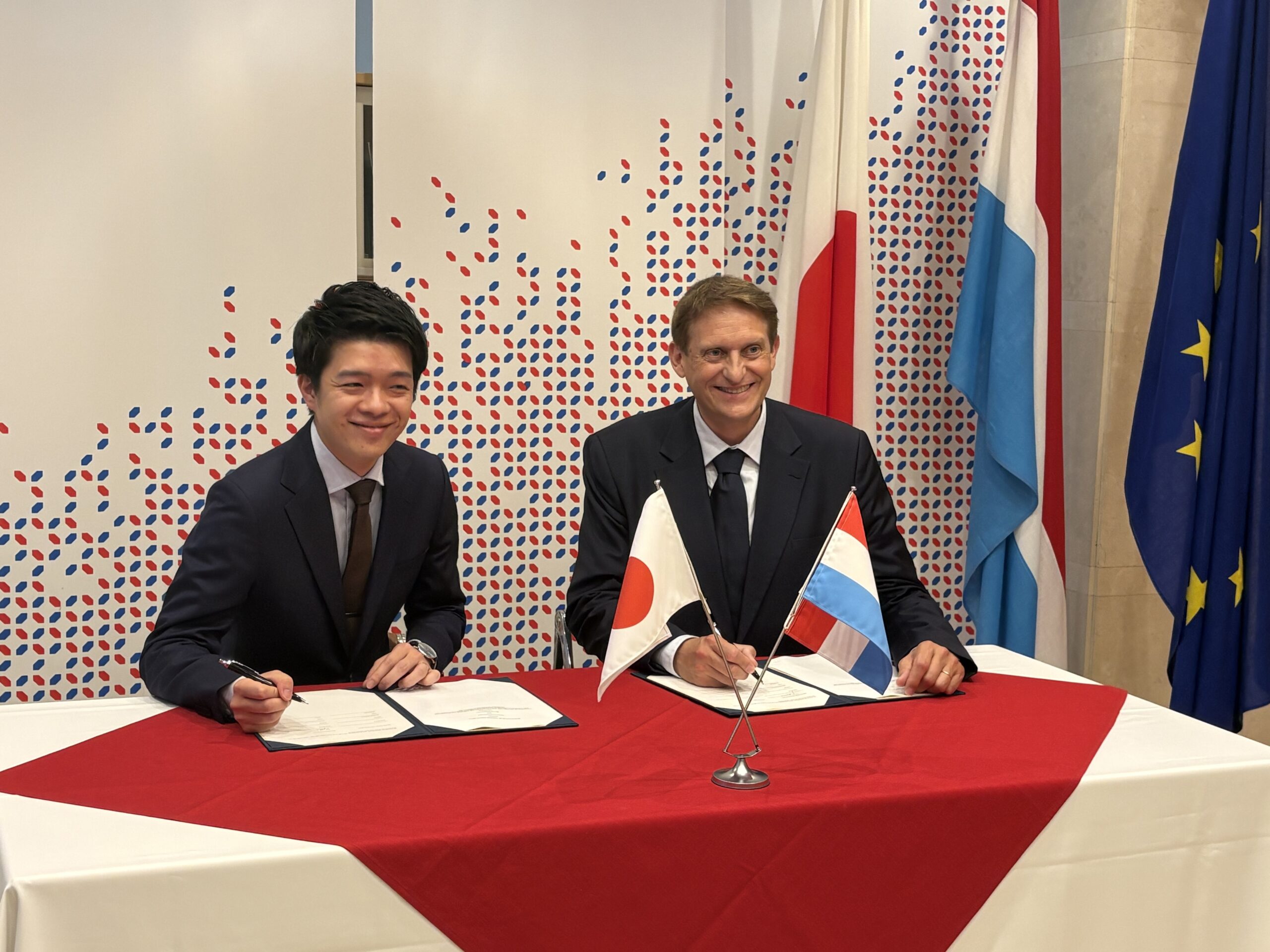

Japanese re-entry technology firm ElevationSpace and Luxemburg-based Space Cargo Unlimited announced a partnership on July 9 addressing a critical gap in the in-orbit services value chain: the return of materials manufactured or tested in microgravity to Earth.
Under the memorandum of understanding, ElevationSpace will explore integrating Space Cargo Unlimited’s BentoBox payload platform into its planned spacecraft, while Space Cargo Unlimited studies a BentoBox configuration built specifically for ElevationSpace’s return vehicle.
Both companies describe the agreement as an exploratory phase rather than a finished product, but the objective is defined: pairing a European microgravity manufacturing platform with Japanese atmospheric re-entry capability to give customers a reliable return pathway for orbital experiments and products.
Capital is moving faster than return capacity
In-space manufacturing is projected to reach $4.6 billion by 2030 and exceed $60 billion by 2040, according to industry forecasts – a trajectory reflected in how investors are pricing the broader space economy, in Europe specifically.
The funding data supports that reading. European space tech startups raised $1.3 billion USD in 2025 (€1.14 billion), and with $1.1 billion USD (€962.1 million) already raised in the first five months of 2026, full-year funding is on pace to approach $2.6 billion USD (€2.3 billion) this year – nearly double the prior year’s total.
In-orbit servicing, manufacturing and debris removal rank among the fastest-growing sub-segments in that research, alongside satellite hardware more broadly.
Public funding has followed the same trajectory: the European Space Agency secured a record €22.1 billion budget in November 2025 for its next three-year programme cycle, and the European Investment Bank has since launched Space TechEU, a dedicated financing instrument offering up to €500 million across the space value chain, from upstream manufacturing to downstream applications.
Space Cargo Unlimited is itself a product of that funding environment, having raised more than €40 million from investors including the European Investment Bank, the European Innovation Council, Luxembourg’s Future Fund II, Eurazeo and Expansion Ventures.
That investor base indicates institutional confidence in microgravity manufacturing as an industrial category rather than a research niche.
The ISS timeline adds urgency
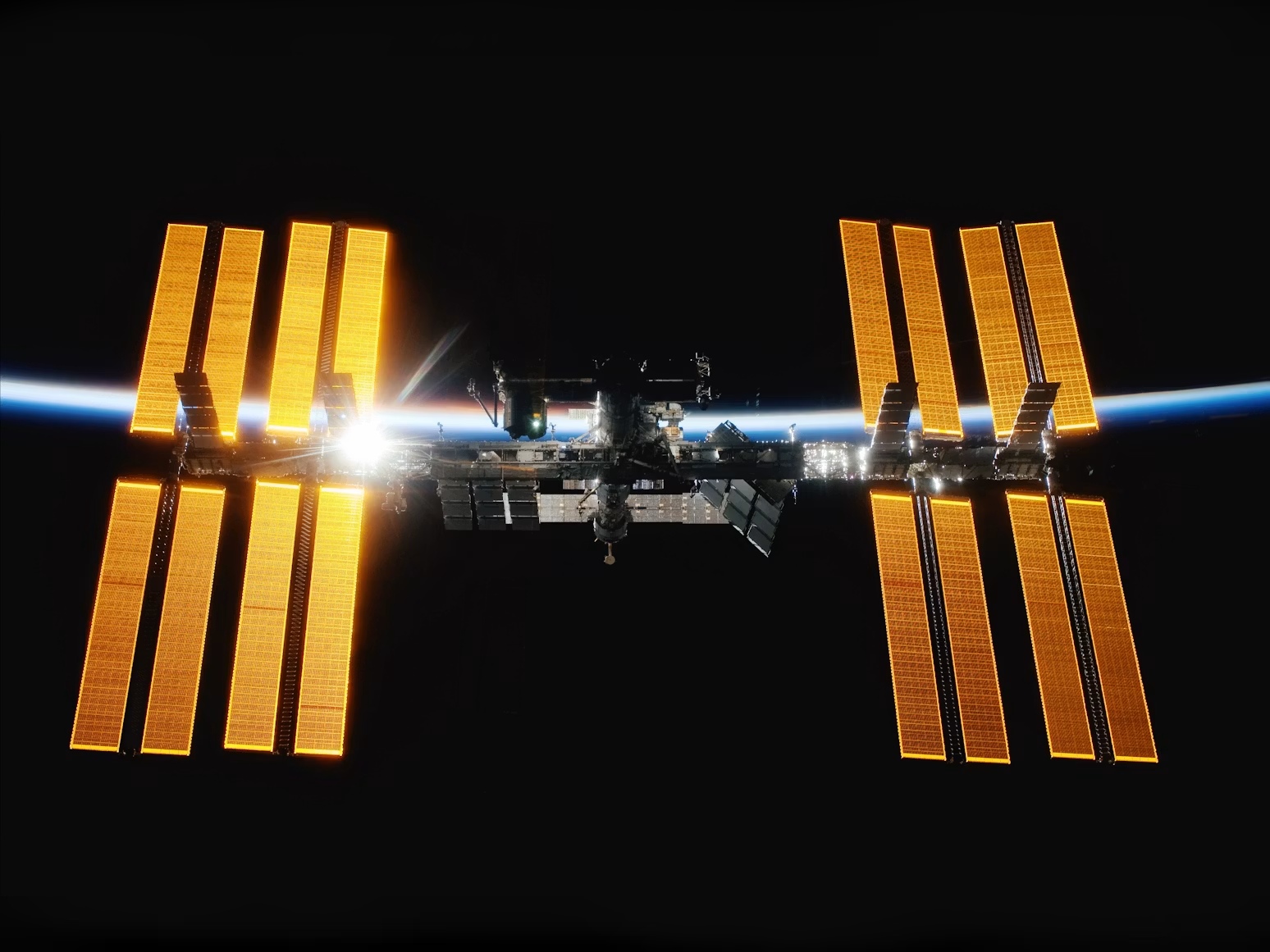
A second factor is driving the timing of this partnership: the fixed retirement date of the International Space Station.
NASA has committed to operating the ISS through 2030, after which the station will undergo a controlled deorbit into a remote area of the Pacific Ocean, ending 32 years of continuous human presence in low Earth orbit. NASA and its partner agencies, including the European Space Agency, have reaffirmed that timeline as part of a shared deorbit responsibility.
The ISS has functioned as the primary destination for microgravity research for more than two decades, including Space Cargo Unlimited’s own Mission WISE, which sent grapevine canes to the station for a 12-month study.
Its retirement will leave a capability gap that commercial space stations and free-flying platforms are being developed to address, but return logistics have not kept pace with launch capacity; sending payloads to orbit has become progressively more accessible. Recovering them intact on a predictable schedule, however, has not.
That is the specific gap ElevationSpace’s re-entry technology and Space Cargo Unlimited’s standardised BentoBox platform are designed to close, particularly for sectors such as biotechnology and pharmaceuticals, where sample degradation makes timely, controlled recovery a commercial requirement rather than a convenience.
“We are now entering the commercial microgravity era,” said Space Cargo Unlimited co-founder and CEO Nicolas Gaume.
“As more industries recognise the value of in-orbit services, the challenge is no longer proving what’s possible, but making access reliable, repeatable and commercially viable,” he added.
ElevationSpace CEO Ryohei Kobayashi described the partnership in similar infrastructural terms:
“Achieving our mission of ‘Create a world where everyone can live in space’ requires an infrastructure that enables every industry on Earth to benefit from the space environment. Together, we look forward to leading the development of that infrastructure.”
For Space Cargo Unlimited, which employs more than 50 people across offices in Luxembourg, France, Germany and Italy, the agreement extends a platform-based strategy pursued since its founding: deploying BentoBox across multiple vehicles rather than developing a single proprietary spacecraft.
And, for ElevationSpace, the partnership provides direct access to an established European customer base ahead of a decade in which the ISS’s absence will require the industry to rebuild capabilities the station has provided since 2000.
Featured image: courtesy of Space Cargo Unlimited.
Disclosure: This article includes a client of an Espacio portfolio company.