
Hundreds of schools across the UK, Ireland, France, and Italy have been the target of hoax bomb threats made over Wednesday, November 11, and again the following day, on Thursday, November 12.
These alerts, which were sent via email to hundreds of different schools, came just over a week after similar threats had also been made towards airports across Europe and a cruise ship sailing from Greece to Israel, grounding numerous international flights.
Read more: Fake bomb threats affect at least seven flights and a cruise in different countries across Europe
Bomb threats had also been sent to media outlets in Ireland and Bulgaria in the same week, whilst hackers additionally targeted refrigeration units belonging to hospitals and supermarkets across multiple European countries. It is not yet clear to what extent these incidents may be connected.
The initial wave
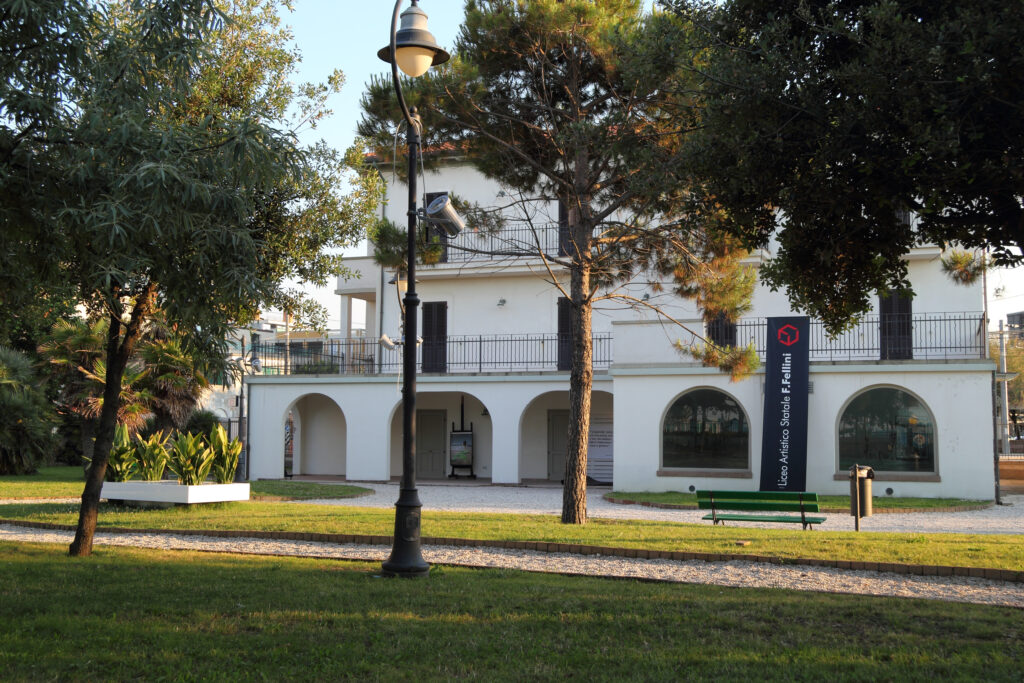
Bomb threats were sent to as many as 6,300 schools across Italy over Wednesday, prompting large-scale evacuations of students and staff. The emails were largely identical, stating that “we have come to annihilate you. We will carry out genocide against the Italians,” and claiming that powerful explosive devices with remote triggers had been placed within the schools in question.
A threat was also made against Italian Prime Minister Giorgia Meloni personally, with a claim that a bomb had been planted at the Palazzo Chigiin, her office in Rome.
Meloni chaired an emergency government meeting on the same day, where she met with cabinet members, secret services representatives, and cybersecurity experts. Following this meeting, she stated that “whoever is sending them wants our fear, lost days, suspicion and chaos,” but confirmed that all the threats received so far appeared to be hoaxes.
“At the moment, from the investigations carried out, there is no element that makes a concrete danger seem to be persistent. The reports seem to be quite conducive to a strategy aimed at generating alarm and concern,” she added on Facebook.
In the UK, around 1,000 schools in Scotland received similar threats, as did 300 schools in Northern Ireland. Schools in the Republic of Ireland were also targeted.
Authorities were quick to downplay these as a hoax, however, although many schools were still evacuated.
Police in Scotland and in the Republic of Ireland each stated that the threats they had received were not “credible” and were part of “generic communications” being deployed en masse. Scottish Education Secretary Mairi McAllan further emphasized that there was no risk to the public, and that the situation was “very much in hand.”
The wider response
Opposition politicians in Italy have criticised Meloni’s response to the crisis and accused her government of not investing enough in cybersecurity, pointing to how the other countries targeted had quickly been able to ascertain the threat was not genuine and had largely allowed classes to continue.
“We asked the prime minister why, in Ireland, authorities had warned schools in advance and told them to remain open because the emails were not considered a threat,” said Green-Left Alliance co-leader Nicola Fratoianni.
Meloni stated on X on Wednesday evening, however, that her government would “not let an anonymous email decide our children’s school calendar.”
“Whoever did this wanted a nation that was paralyzed and afraid. They will find a nation that wakes up tomorrow, takes its children to school, and goes to work. That is the response, and it is the strongest one we have,” she stressed.
Regardless, further school evacuations were seen across Italy over the next day following another wave of bomb threats issued on the morning of Thursday, November 12, though the majority of schools remained open.
Schools and universities in France were also evacuated after receiving similar threats, whilst a separate bomb alert at Calais-Frethun train station caused major rail disruption across northern France, with Eurostar trains travelling to London and Paris being among those affected.
Meloni invited opposition leaders to join her government in discussing the emergency and a common protocol for handling such threats. The Italian government also issued new guidance advising that emails alone will not warrant further evacuations, needing instead “concrete evidence” to warrant such a response.
Meloni has called for unity from all political parties in the face of the crisis, though opposition politicians have maintained that they are “fully willing” to cooperate, but will not “give the government a blank cheque on the decisions it takes.”
Who was responsible?
There has been widespread speculation as to whether these ongoing threats and cyberattacks can be linked to hostile international actors.
Northern Ireland’s Education Minister Paul Givan had linked previous hoaxes that took place last month to Islamists, but this has not been confirmed. Suspicion has also been directed at Russia or Iran in the wake of the ongoing conflicts, with France going so far as to summon the Iranian ambassador after last week’s cyberattacks on supermarket refrigeration units.
However, both Russia and Iran have denied any role in these attacks. It has been reported that the latest wave of bomb threats, all signed by a “Mikhail Andropov” of “Vilayat di Misoginistan”—neither of which are known to be real figures or organisations—were potentially issued from hacked email accounts or servers based in Taiwan and the Philippines.
Italian Defence Minister Guido Crosetto has stated that whilst the wave of bomb threats made over the past two days were clearly part of a direct, coordinated strategy “to spread fear and create anxiety” across European nations, this is not necessarily the work of any one hostile country or agency, adding that “there are also attention-seekers and lunatics who, at a time like this, cannot wait to unleash terror in a city or a region.”
This was echoed by French President Emmanuel Macron, who stated at a press conference in Dublin that authorities do not have sufficient elements to be able to make an attribution. “We cannot say if foreign powers are behind these calls,”
Jozsef Varadi, CEO of the Hungarian airline Wizz Air, which was among those affected by the previous week’s bomb scare, has called for a more unified response to such threats from different European countries.
“I personally had a meeting with the European Commission […] trying to address this issue and urging these people to act together and find ways of getting coordinated,” Varadi stated.
“But this is a very hot potato because of the sovereign nation state concept, and no country wants to concede on this matter. I think Europe needs to think about this, how to level up responsibilities against a threat like this.”
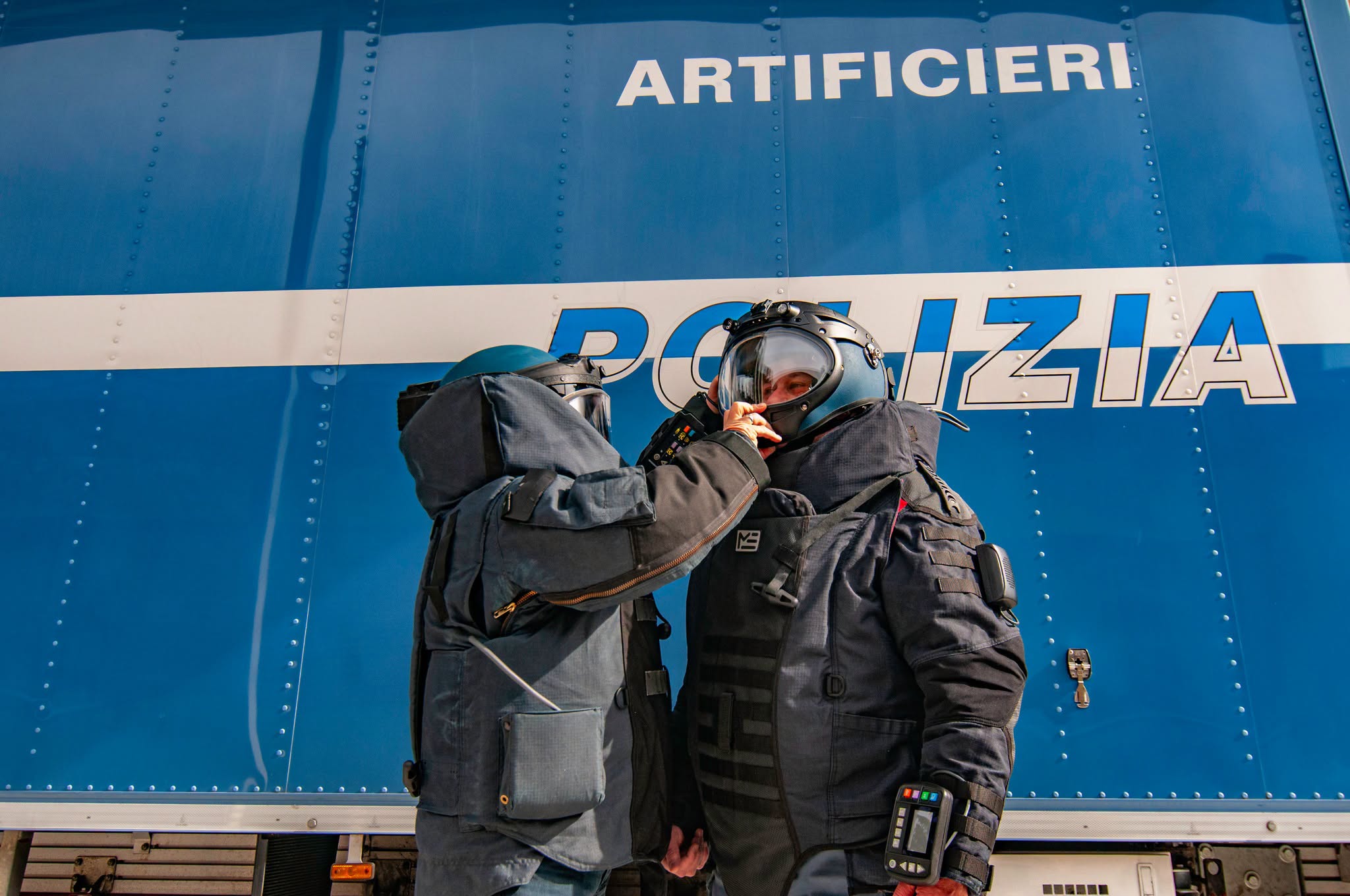
Featured image: Polizia di Stato via Facebook