
Rome, Italy – Rome is cracking down on the golf carts that ferry tourists through its historic centre, with police stepping up checks on drivers’ licenses, documents and parking.
From the Colosseum to Villa Borghese, the Italian capital has seen the carts multiply at speed. Bookings this summer were up 147%, according to TripAdvisor statistics, and it is now hard to walk five minutes through the centre without one passing by, usually occupied by tourists clad in dresses and sunhats.
The crackdown is the latest in a series of measures Rome introduced this year to manage its visitors. In May 2026, the Italian Ministry of Tourism announced a €109 million scheme to regenerate Italian tourism, promoting “eligible projects” including energy-efficient improvements, digitalisation and AI infrastructure, rainwater recovery systems, among others, as sustainable tourism bets.
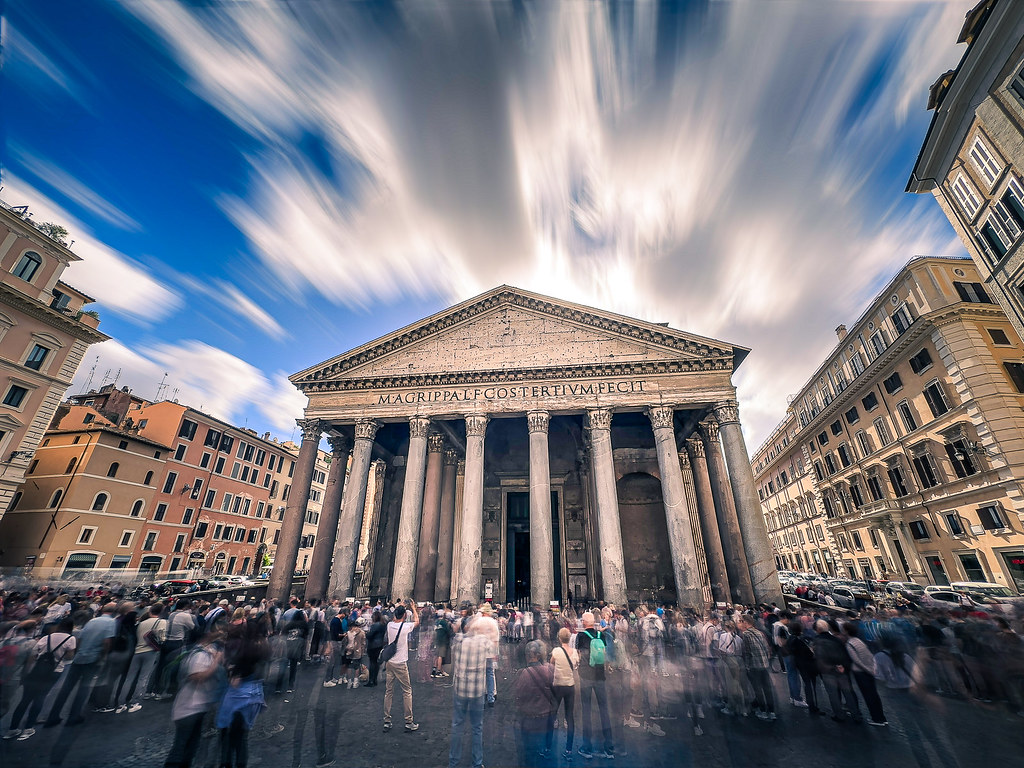
Tourists also now pay to see the Trevi Foundation, the Pantheon has become more expensive – with proceeds of the €2 spike to be donated to libraries in underprivileged areas – and the area around the Colosseum has been declared a restricted security “red zone” from August 24, 2026 to Christmas Eve.
Rome is far from alone. Florence, Venice and Barcelona have all brought in bans, fees, or taxes to contain tourism, as cities that spent decades courting visitors now try to limit their impact on residents without losing the income they bring.
Read more: Europe’s anti-tourism backlash spreads beyond Spain
Tighter checks, heavy fines
Critics have argued for years that Rome’s golf carts park illegally, aggravate already heavy traffic, and invade the beauty of the city. Italian Magazines Internazionale and La Presse, for example, are among those who have demanded action, even referring to the carts as a security risk to road conditions and safety.
Rebecca, who works in the Keats-Shelley Memorial House next to the Spanish Steps in Piazza di Spagna, described the carts as “simply horrible”, and told EU Reports that she hopes that they never gain a license to access the front of the Spanish Steps.
Supporters argue the carts take up less space and emit fewer fumes than cars, which protects historic sites.
Regardless, Eugenio Patanè, Rome’s Deputy Mayor for Sustainable Mobility and Transport announced there will be tighter controls of the carts. Although they will not be outright banned, Roman police are now clamping down on checking their documents and licenses, along with illegal parking.
Many residents welcomed the crackdown. Laisa, who lives and works in central Rome, told EU Reports that the carts often occupy “residential parking spaces that are already extremely limited,” adding that for people in the centre, “parking is a daily challenge.”
Drivers are furious, arguing that there are many other vehicles that park illegally without facing the same scrutiny, and that checks can last up to an hour.
During the checks, if the golf carts appear to be unauthorised during authorities’ checks, they can expect to be either banned for a month or a €4,000 fine.
A wider European trend
Florence has gone even further than Rome. In October 2025, it banned golf carts, rickshaws, and other “atypical” tourist vehicles from its UNESCO-listed centre, seizing unauthorised vehicles and allowing up to 24 licensed electric shuttles on fixed routes.
Meanwhile, Venice charged day-trippers €5 or €10 on 60 peak days between April and July, and Barcelona doubled its tourist tax in April to up to €12 per person per night, with plans to phase out holiday apartments by 2028.
Amsterdam, whose 12.5% levy is already among the world’s highest, plans to raise it to 16% next year, and eventually up to 20%, and to close its central sea cruise terminal.
Greece now charges cruise passengers €20 each to disembark on Santorini and Mykonos in peak season.
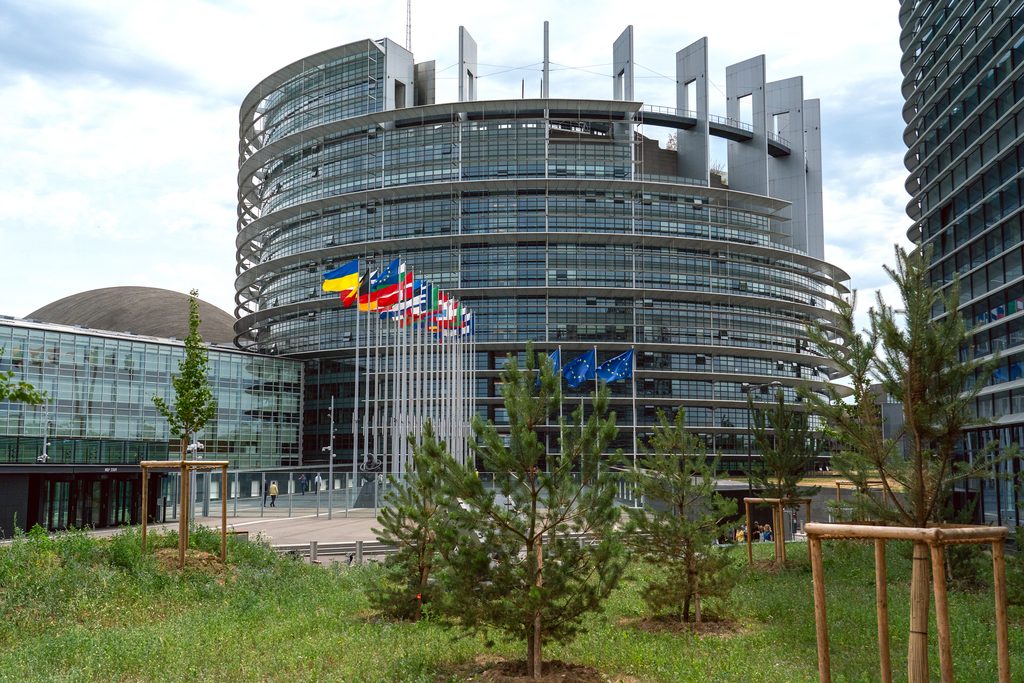
The issue has reached Brussels as well. The European Commission is preparing a non-binding strategy on sustainable tourism intended to balance the sector’s economic, social and environmental impact, and its May EU governments adopted guidelines to feed into it.
For now, though, the real measures are being taken city by city.
In Rome particularly, rising prices may also push visitors outwards, and the wider Lazio region, of which Rome is capital, published a July public notice inviting businesses to join its presence at the Bridal and Tourism in Italy fair, with the aim of “increasing the flow of Italian and foreign tourists to Lazio.”
Social media is already playing a part. Short videos on Instagram and Facebook increasingly list “places not to miss” near Rome, including Castel Gandolfo, the pope’s summer residence since 1626.
Not everyone welcomes the attention, though. Carla Mary, who chose to live in nearby Rocca di Papa to avoid the crowds, told EU Reports: “I really hope that Castel Gandolfo doesn’t become full of tourists.”
Tourism has shaped Rome since the days of the ancient city, as it has for many of its European counterparts. It’s not going anywhere. But from golf carts and the Colosseum’s red zone, to Amsterdam canals, Greek islands and Spanish short-term rentals, European cities are increasingly deciding, on their own terms, how visitors experience them.
Featured image: The Pantheon
Author: Giuseppe Milo
Source: Flickr
Creative Commons Licenses