
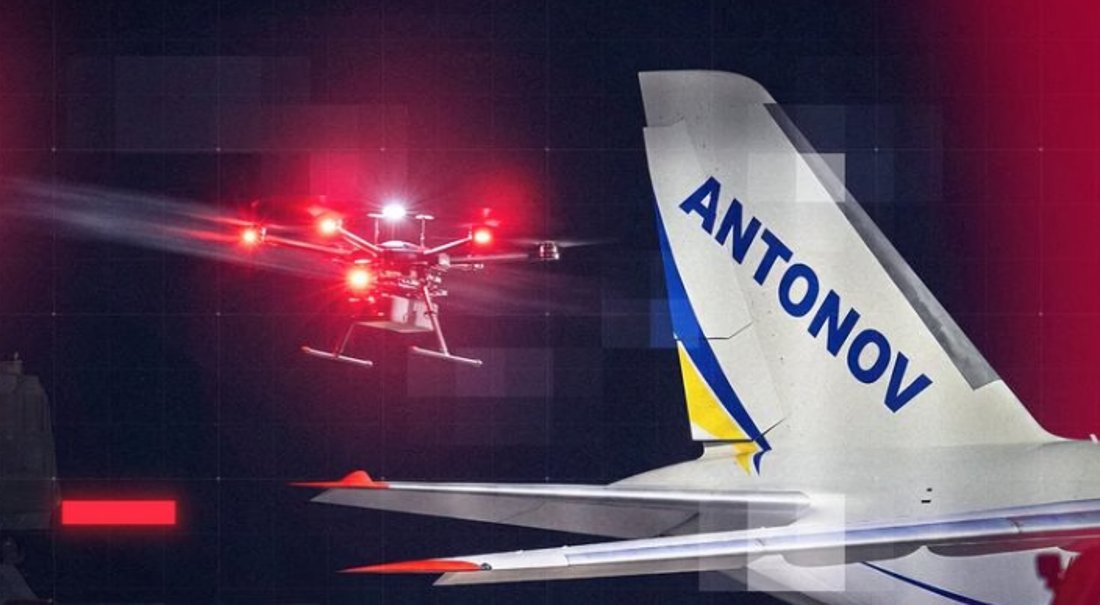

The EU is preparing fresh sanctions after Germany blamed Russia for the attempted Leipzig/Halle Airport drone attack on August 4-5, 2026, a strike that failed only because the device’s detonator malfunctioned.
The drone carried explosives and was found near Ukrainian Antonov cargo aircraft at the airport, a major freight hub and NATO logistics node in eastern Germany.
Berlin says they have identified two suspected coordinators behind the plot, while separate attacks on power infrastructure in North Rhine-Westphalia and Brandenburg have deepened concern that Russian-linked sabotage is spreading across German territory.
The case has sharpened pressure within the EU for a stronger collective response to suspected Russian hybrid operations throughout Europe.
EU President Ursula von der Leyen pledged greater European pressure until Russia stops its continuing attacks against Ukraine, and EU leaders have linked the planned response to broader concerns about sabotage, drones, and infrastructure threats across NATO territory.
Member states are now discussing the exact scope of the next sanctions package.
The Leipzig plot is not isolated
German investigators have identified two suspected coordinators connected to the failed Leipzig operation, according to the report. The first suspect is Russian-born and reportedly holds Latvian citizenship, with alleged Russian intelligence links. Authorities believe he entered Germany in late July and left shortly before the attempted attack.
Investigators also identified a Belarusian man who holds Russian citizenship and entered Germany using an Italian tourist visa. German prosecutors have not publicly disclosed all details surrounding the reported suspects and their alleged roles, and Russia has also provided no detailed public response concerning the suspects’ identities or allegations.
“We are de facto being accused of having carried out a terrorist attack or at least having attempted to do so. For such serious accusations, evidence is needed—factual proof, expert assessments, and solid argumentation. But all of that is missing,” said Russian ambassador to Germany Sergey Netschayev.
Berlin authorities also opened two separate investigations into suspected attacks against electricity infrastructure within a single day. Vandals damaged the North Rhine-Westphalia substation and forced several lignite power units temporarily offline, while another incident damaged power lines at one of Brandenburg’s most important high-voltage electricity nodes.
The drone carried explosives and a detonator near the Antonov aircraft, and German officials said a detonator failure prevented an explosion that could have damaged aircraft and airport infrastructure. Leipzig/Halle handles major civilian freight and hosts Ukrainian Antonov aircraft that operators use for long-distance cargo missions, placing aviation security within a wider debate about hybrid threats.
NATO partners have supported Germany and stressed collective security against hostile activities that fall below the threshold of conventional military conflict.
Wider sanctions
On the sanctions side, the EU is considering measures against Russia’s military industry and ships operating within Moscow’s shadow fleet. France has supported stronger action against vessels that allegedly help Russia bypass existing energy restrictions, and Germany may tighten entry controls for Russian nationals and expand its national blacklist.
Berlin is also backing the EU’s proposed 22nd sanctions package against companies and organizations with Russian connections. The package could widen restrictions across military supply chains, logistics networks, and companies supporting sanctioned trade.
Germany also plans to close Russia’s Bonn consulate and end cooperation with the Russian House in Berlin.
The investigations come ahead of important elections in eastern Germany, where relations with Russia remain politically divisive. “We maintain good relations with Saxony and Leipzig; there are numerous places there with ties to Russia. Would we really want to stir up anti-Russian sentiment precisely in the eastern German states, just before the state elections?,” ambassador Netschayev questioned.
German lawmakers have warned that sabotage can undermine public confidence and place greater pressure on security agencies, and the EU response, therefore, could combine sanctions with stronger protections for airports, power systems, and strategic logistics infrastructure.
Featured image: Jürgen Nauditt via X.