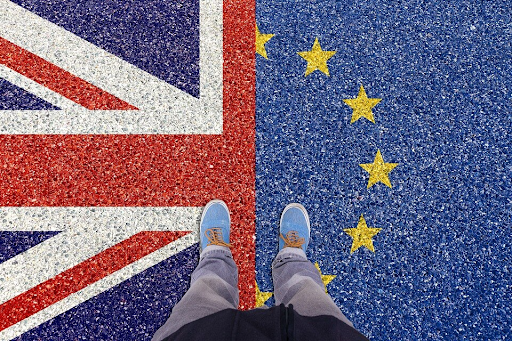

Iceland has voted to remain outside of the EU, following an August 29, 2026 referendum. The result was a close one, with 52.8% voting against accession to the EU, whilst 47.2% voted in favour.
The referendum had not been on the question of Iceland joining the EU immediately, but merely on whether it should pursue negotiations around joining. Another referendum would then have followed after accession negotiations had concluded, once an exact deal for membership had been finalised. Such negotiations will not be pursued following the “No” majority vote.
As a member of the European Economic Area (EEA), Iceland is already a part of Europe’s single market and the Schengen free-travel zone, but had previously withdrawn from talks on becoming a full EU member in 2013, under Sigmundur Davíð Gunnlaugsson’s centre-right government, over disputes around sectors such as fishing and agriculture.
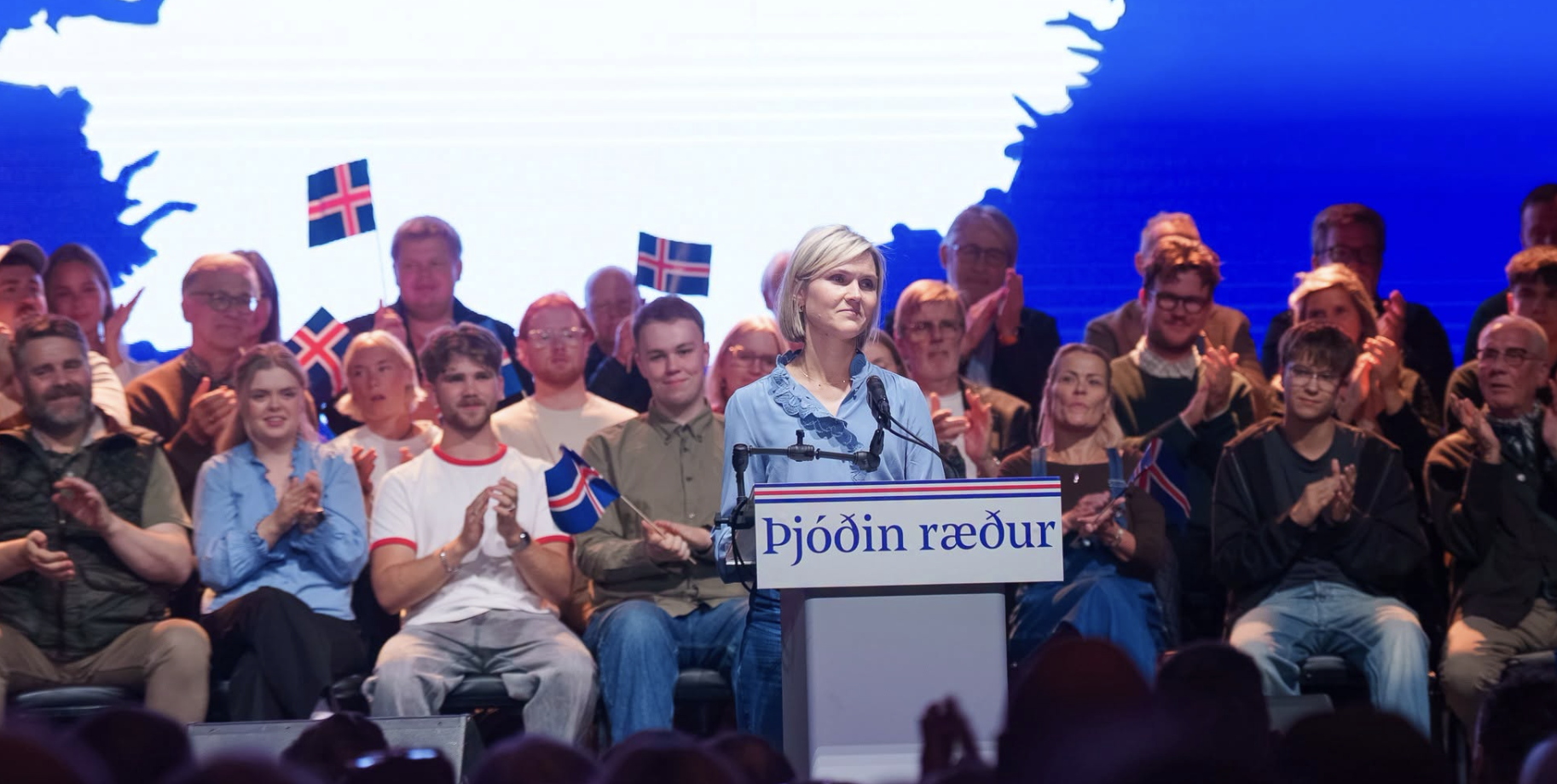
The country’s current centre-left government, led by Prime Minister Kristrún Mjöll Frostadóttir, had been elected on a pledge to hold a referendum on reopening this issue, something it then brought forward in March, following growing tensions between Iceland and the U.S. in the wake of comments by U.S. President Donald Trump about taking over neighbouring Greenland, as well as Iceland itself becoming America’s “52nd state,” and tariffs being imposed by the White House on Iceland of 15%.
Read more: Iceland sets date for EU referendum
However, there remained concerns over the potential impact that joining the EU might have on Iceland’s fishing industry, which makes up almost 40% of the country’s exports, as well as on its control over its own agriculture and natural resources.
Opponents of joining the EU argued that the sovereignty of Iceland, which won its independence from Denmark in the 1940s, would be at risk, with its voice being muted within the European Parliament, and that it would be better off forging its own trade deals, including with countries such as China.
A tight race
The government had framed the referendum as a ‘now or never’ opportunity. “This is a great day, we’ve been waiting for this for years to be able to have a vote,” Frostadóttir stated prior to the results.
Supporters claimed that joining the EU would help to lower inflation and interest rates, provide greater financial stability, and allow the country to work more closely with its European neighbours in an increasingly volatile world.
Turnout was high, with 82.5% of the country’s 270,000 eligible voters casting their ballot – a higher number than has been seen in any election since 2009.
Polls had shown the two sides were neck and neck since prior to the date for the referendum being set earlier this year. The outcome demonstrated, however, a stark divide between the capital city Reykjavik, which voted in favour of restarting accession negotiations, and the rest of the country, particularly those rural areas that would have been most affected by any potential impact to Iceland’s fishing and agricultural sectors.
Frostadóttir had been clear from that, regardless of the results, she wished to avoid the kinds of division seen in the UK after its own referendum on membership of the EU, held a decade ago, which had been decided on a similarly narrow margin, and which then led to more than three years of political turmoil and debate.
“Regardless of whether the outcome is a ‘No’ or a ‘Yes’, it is obviously difficult when the margin is so narrow,” Frostadóttir stated.
“We will need to proceed with great care, whatever the result,” she added, stressing that if the people are satisfied with the EEA and current agreements with the European Union, the result would do a better job defending that agreement. “I hope the entire Parliament will rally behind that.”
The Prime Minister explained she didn’t feel “bitterness” ahead of the final results being announced. “I know tempers run high for some people, but I have now spent time with a large group of people from all over the country and [they] are quite open to different outcomes.”
This was echoed by President Halla Tómasdóttir: “Our views are different, but we have much more in common than what separates us. Democracy is not just about voting. It’s also about how we move forward together after the vote.”
The wider reaction
Opposition parties have regardless described the result as “a heavy blow” for the government, and have called on it to now focus on managing inflation and lowering interest rates.
In a press conference held following the results, Frostadóttir denied that this was a setback for her government, nor “a step backwards” for the country as a whole, adding that Iceland will continue to cooperate closely with its European partners within the EEA.
She has not yet provided a clear answer on whether the government will take the step of formally withdrawing Iceland’s application to the EU, but has stated that the outcome of the referendum will be respected and that no further accession negotiations will take place under the current government.
The contest has been closely followed by many outside Iceland, including by those critical of the EU and of closer European integration. Marine Le Pen, leader of France’s far-right National Rally, claimed the result shows “an obvious truth” that “membership in the European Union is not the natural horizon for every European democracy.”
“This vote delivers a crystal-clear message,” she added. “People must be able to decide for themselves their future, their institutions, and their capacity to defend their national interests. This vote reminds us that another Europe is possible, a Europe of free, sovereign nations cooperating voluntarily on matters of common interest.”
Similarly, Nigel Farage, leader of the UK’s right-wing populist Reform party, and a key supporter of the Brexit referendum, expressed his “congratulations to Iceland on voting to keep their independence.”
Guðrún Hafsteinsdóttir, leader of Iceland’s centre-right Independence Party, asserted that the people had spoken and that the results of the referendum must now be respected, but added that she did not see this as showing that Iceland had turned its back on Europe.
“We want to remain in close contact with the European Union and Europe and as many other countries as possible,” she stated, “but the nation is sending a clear message that we intend to steer that course ourselves.”
“This is democracy. Whether or not to restart EU accession talks was, and remains, a decision for Icelanders alone. We fully respect the outcome,” added Belgian social democratic MEP Kathleen Van Brempt.
“Concerns about difficult questions, such as fisheries, ultimately prevailed. Even without accession, Iceland remains a close friend and an important partner of the European Union. Especially in the Arctic, close cooperation on security is more important than ever,”
In a statement to Iceland’s RÚV News Agency, the European Commission stated that it respected the decision of the Icelandic people, adding that “Iceland remains a close partner of the European Union.”
Featured image: Kristrún Mjöll Frostadóttir via Facebook.