
Ukrainian President Volodymyr Zelenskyy has been making a tour of Europe this week in a bid to bolster support for Ukraine in the Russia-Ukraine war.
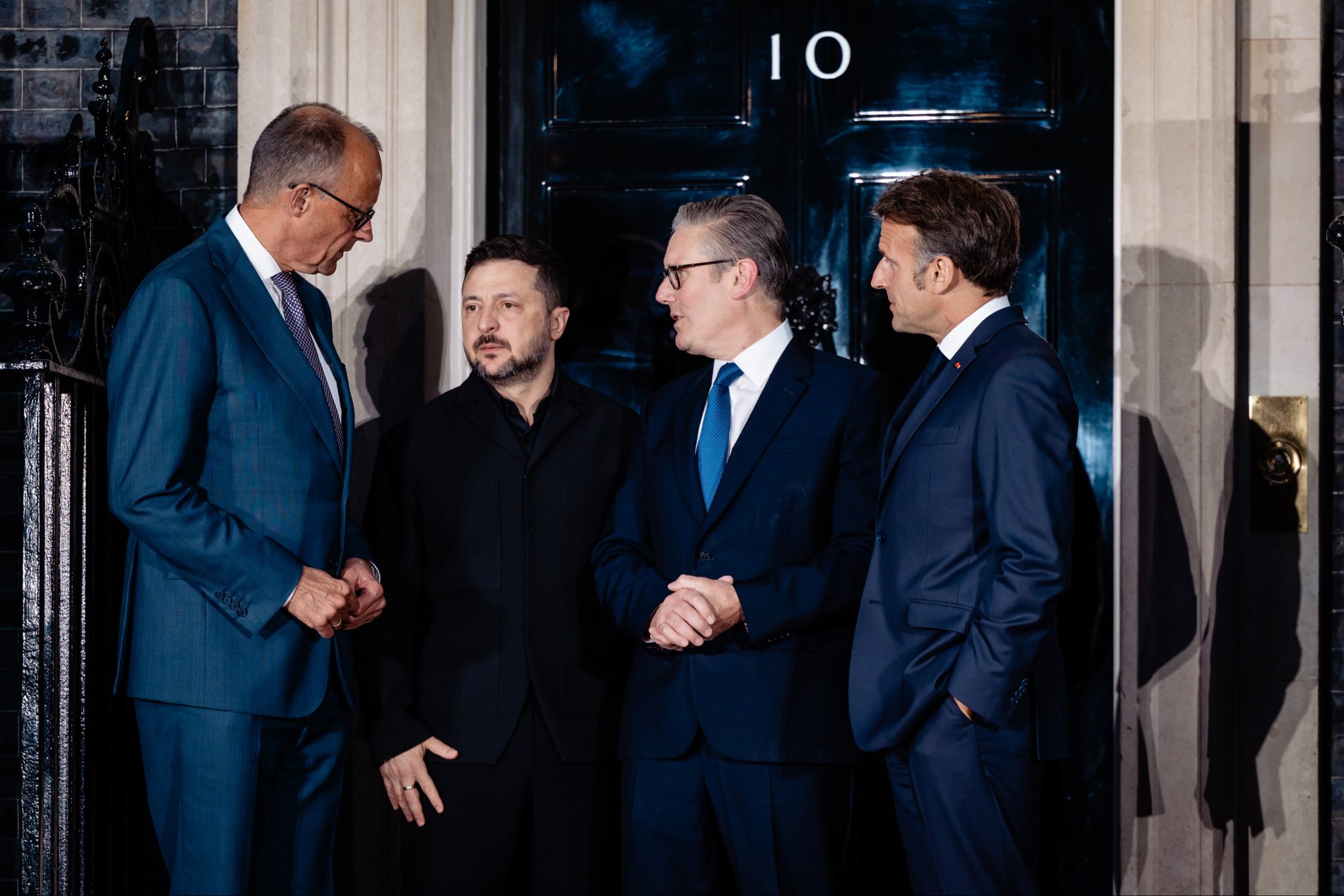
Zelenskyy began the week with a visit to the UK on June 7, where he met with the leaders of Britain, France, and Germany.
Prime Minister Keir Starmer, President Emmanuel Macron, and Chancellor Friedrich Merz called on Russian President Vladimir Putin to agree to an immediate ceasefire, issuing a joint statement in which they reiterated their “unwavering support for Ukraine in its defence against Russia’s illegal invasion and next steps in negotiations to support a just and lasting peace.”
Zelenskyy also met Britain’s King Charles III the following day.
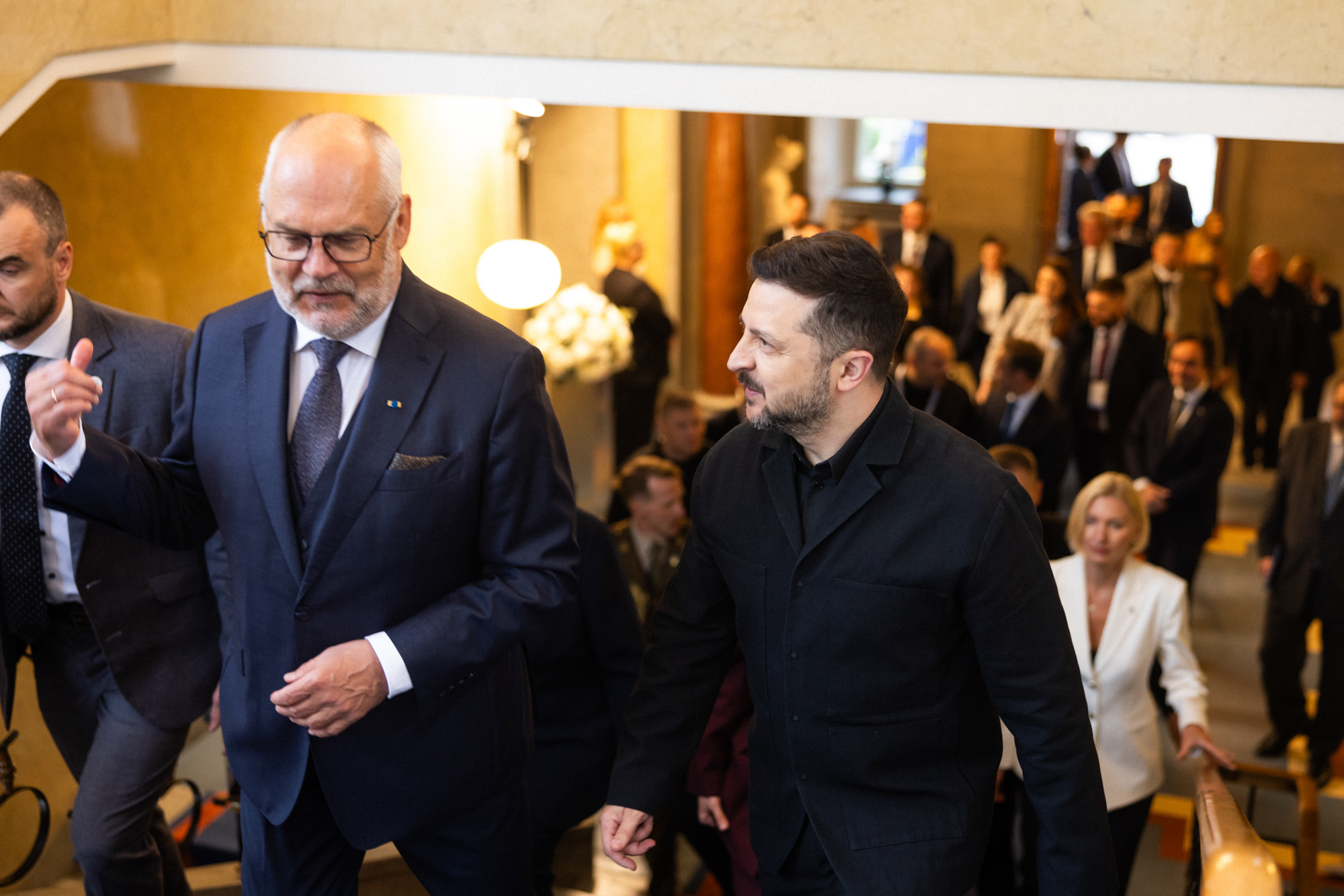
The Ukrainian head of state then went on to visit Estonia to attend the Nordic-Baltic Eight summit between the leaders of the Nordic and Baltic nations. The summit took place on June 9 in the Estonian capital of Tallinn, following a meeting between Zelenskyy and Estonian President Alar Karis.
Karis welcomed Zelenskyy to Estonia, and the pair discussed the need for greater cooperation between the two countries. Karis also called for further sanctions against Russia and the speeding up of negotiations on Ukraine becoming a member state of the EU.
Source: Volodymyr Zelenskyy via X.
“Ukraine’s accession to the European Union and NATO is not a distant hope for the Ukrainian people but a justified expectation,” Karis stated. “Estonia supports the rapid opening of all clusters in the EU-Ukraine accession negotiations.”
The summit came following tensions over Ukrainian drones entering the airspace of Baltic nations in recent months – incidents which Kyiv had claimed were accidental.
Zelenskyy agreed to cooperate with Estonia in preventing further violations and in finding less expensive means by which to bring down any drones that transpass target national boundaries in the future.
The president also called on Nordic and Baltic leaders to support Ukraine’s bid for membership of the EU, maintaining that Ukraine had met all the conditions required for accession negotiations to begin – also echoing Karis’s call for fresh sanctions against Russia.
“We expect strong political decisions from the EU, which should be made this summer,” he stated. “Ukraine has done everything necessary to open all clusters in negotiations about future EU membership.”
On June 12, EU Commission President Ursula von der Leyen confirmed that all member states have agreed to open the first accession negotiations cluster with Ukraine and Moldova. The future of Ukraine’s bid to the Union will be discussed on Monday, June 15 at the Intergovernmental Conference.
Following the summit in Tallinn, Zelenskyy and Estonian Prime Minister Kristen Michal issued a joint statement pledging greater cooperation on defence between the two countries.
The two leaders stated that the ongoing aggression by Russia had “fundamentally altered the security landscape of Europe,” and that their countries would be collaborating on security assistance, crisis consultation, the sharing of battlefield experience, and defence capabilities. This will include a Drone Deal, presented as a way for Ukraine to strengthen its drone capability. .
Estonian State Secretary Keit Kasemets described the situation for Ukraine as having become “much more favourable” over the past six months, adding that Europe – and particularly the Nordic and Baltic countries – had played a crucial role in this.
“Estonia will continue to stand by Ukraine for as long as it takes,” added Estonian Foreign Minister Margus Tsahkna.
Zelenskyy’s proximity to European leaders comes alongside increased diplomatic efforts by Kyiv to increase European support and coordinate theirs and allies’ positions. Zelenskyy had shared an open letter on June 4 inviting Putin to talks to end the war.
Whilst the Russian president has agreed to a two-day ceasefire to mark Orthodox Easter, and stated he is open to peace talks, he has continuously dismiss full ceasefire prior to such negotiations.
Putin has argued that the only point to such a ceasefire would be to halt Russian advances, and has reiterated that the conflict will continue until Russia’s military goals have been met.
“He just doesn’t want to end the war,” Zelenskyy stated in response to Putin’s remarks. “I think that many in the world were disappointed by this answer.”
Featured image: Bundeskanzler Friedrich Merz via X.