
The European Union extended its Russia sanctions for three years after member states reached a late compromise in Brussels on September 22, 2026.
The deal keeps restrictions on more than 3,000 individuals and entities until September 22, 2029, and removes billionaires Alisher Usmanov and Mikhail Fridman from the sanctions list.
Read more: EU delays Russia sanctions renewal until September 22, following member split
Latvia cleared the agreement by abstaining after opposing the proposed delistings.
The renewal replaces the bloc’s previous six-month renewal cycle, with the measure targeting people and organizations specifically linked to actions threatening Ukraine’s territorial integrity, sovereignty and independence. They include asset freezes, travel restrictions, and limits on making funds available to listed parties.
Beyond the billionaires’ delistings, the council’s decision also ended listings for Andrey Falaleev and Redbird Corporate Services. It separately removed three deceased people from the sanctions list.
France pressed for Usmanov’s removal on national security grounds, while Luxembourg sought Fridman’s delisting as it faced his multibillion-dollar legal claim over frozen assets.
EU foreign policy chief Kaja Kallas had urged governments to preserve longer-term sanctions before the final agreement. “Sanctions are a core pillar of our response to Russia’s war,” she said.
Latvia remained the final obstacle before the September 22 deadline. However, Riga eventually abstained, allowing the required EU consensus to proceed. Diplomats held meetings in Europe and New York as officials worked to prevent the sanctions from expiring.
Latvian Prime Minister Andris Kulbergs said the country would consider national sanctions against Usmanov and Fridman, and noted France agreed to discuss stronger defense cooperation – potentially including Latvian participation in French nuclear deterrence initiatives.
EU sanctions require agreement among all member states before the bloc can renew them, meaning Latvia’s abstention allowed the package to move forward before the deadline.
But Ukraine criticized the removal of Usmanov and Fridman, stressing the importance of continued pressure on Russia. Ukrainian Foreign Minister Andrii Sybiha called the decision “shameful and unjustifiable,” and pleaded for reconsideration of the delistings.
The EU first sanctioned Usmanov and Fridman in 2022 after Russia’s invasion of Ukraine, restricting travel, transactions, and access to assets held in the EU. Both men later challenged the sanctions through legal proceedings.
While Fridman pursued a multibillion-dollar claim against Luxembourg over assets affected by EU restrictions, Usmanov contested sanctions imposed after the invasion. The legal disputes formed part of the wider political debate surrounding the latest review.
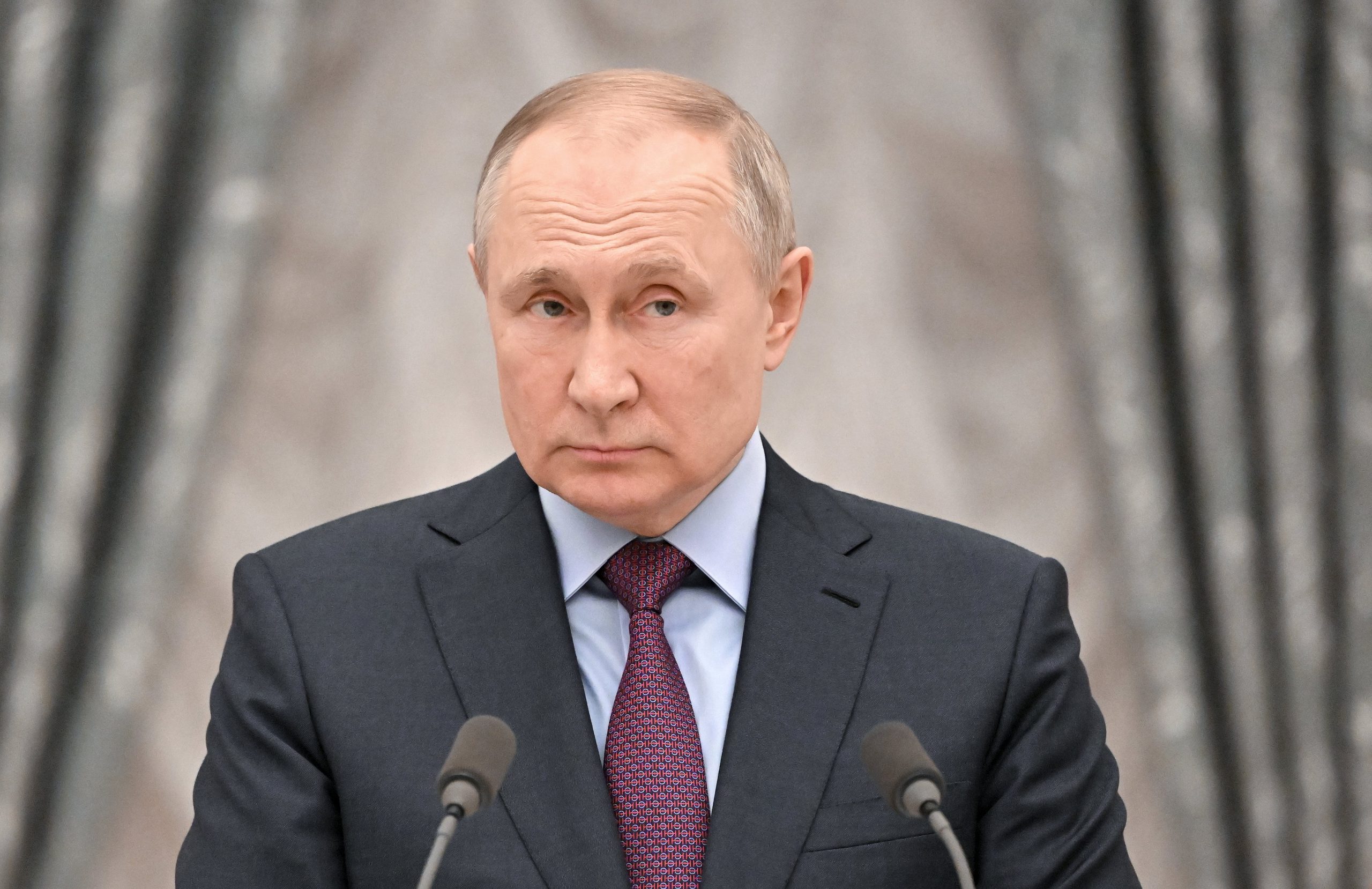
Featured image: KremlinRussia via X