
The EU granted Russia’s sanctions listings a seven-day reprieve on September 14, 2026, as Slovakia and France pushed to remove Russian-Uzbek billionaire Alisher Usmanov from the list.
The Union’s sanction lists covers nearly 3,000 individuals and entities under the “territorial integrity” regime, including Russian President Vladimir Putin, businessman Roman Abramovich, and former Foreign Affairs Minister Sergey Lavrov.
The sanctions had faced a September 15 hard deadline, requiring unanimous agreement among all 27 member states for its usual six-month renewal period. This means diplomats now have another week, until September 22, to resolve the disagreement and prevent the restrictions from lapsing.
Sanctions include asset freezes, travel restrictions and limits on making funds available to listed individuals.
Member states previously renewed the current individual listings for six months in March 2026 But this week’s disagreement stemmed from the Slovakia-France argument that Usmanov should be outright delisted.
A French diplomatic source said Paris has a “specific national security issue” tied to requests from “international partners”, widely believed to be Turkey, Azerbaijan and Uzbekistan, which had lobbied for his delisting in March, per EUobserver.
Similarly, EU Today noted the French request could be linked to efforts to secure the release of French citizens held in Azerbaijan. Namely, Martin Ryan, detained in December 2023 on espionage charges, and entrepreneur Anass Derraz serving a nine-year sentence for bribery.
The measures will now remain in force until September 22 while diplomats work toward a compromise.
Beyond Usmanov: Far from consensus
Slovakia has pushed for the removal of both Usmanov and businessman Mikhail Fridman from the blacklist. According to POLITICO, Fridman was accused by the EU of having close ties to the Kremlin, acting as a top financier for Putin’s inner circle, and supporting or implementing policies that threatened the territorial integrity, sovereignty and independence of Ukraine following the 2022 invasion.
That France went on to also support the removal of Usmanov from the blacklist increased pressure on diplomats seeking a broader and continuous sanctions agreement.
“If France goes ahead with this, others will come forward with their own oligarchs that should be delisted,” a senior EU official told POLITICO in anonymity. “Talks are ongoing to find a solution. Russia has given us no reason to allow any delistings,” another official noted.
Usmanov built major business interests across metals, mining, telecommunications, technology and media. He also owns Russian business newspaper Kommersant and previously held investments across several international markets.
The EU sanctioned him initially in February 2022, and later maintained restrictions through repeated renewal decisions, arguing the businessman had also undermined and threatened Ukraine’s sovereignty, as well as providing material and financial support for Russia’s war and suppressing press freedom, leveraging his leadership in Kommersant.
Usmanov has challenged the measures through legal proceedings in Europe and disputes the grounds supporting his designation. He has also contested media reports that authorities used when assessing his sanctions status.
Meanwhile, Fridman has pursued separate legal challenges against restrictive measures imposed by European authorities.
What’s next
The EU requires every member state to support foreign policy sanctions before the bloc can renew them. Therefore, one government can delay a broader agreement by refusing to approve proposed measures.
Hungary and Slovakia have previously sought changes during Russia sanctions discussions and have pressed for individual concessions. Other governments have defended broader restrictions as necessary pressure on Moscow over its war against Ukraine, yet this latest dispute again shows how national demands can influence collective sanctions policy.
This is, in fact, the first time France has questioned EU sanctions against Russia. Neither French President Emmanuel Macron nor the Permanent Representation of France before the EU have publicly commented on the matter.
And, while EU Commission President Ursula von der Leyen has yet to comment on the sanctions debate specifically, she condemned the September 14 Russian attacks on Ukraine.
“Once again, Europe woke up to reckless and dangerous Russian behavior,” she said of a Russian warship firing emergency flares close to a Danish helicopter and a drone that entered Lithuanian airspace before being destroyed by NATO jets.
“These are not isolated incidents. They are part of a broader pattern of Russian aggression and provocation against Europe, testing our readiness and our resolve. Russia will find our resolve only growing stronger.”
The bloc has tried to reduce similar conflicts by lengthening renewal periods for some sectoral sanctions. Those measures cover areas including energy, finance, trade, and other parts of the Russian economy, but individual listings remain vulnerable to disagreements, as member states must still approve renewals unanimously.
Now, diplomats must resolve the Usmanov dispute while protecting the wider restrictions against thousands of listed parties. Without agreement, member states could face another difficult decision over maintaining the current Russia sanctions framework.
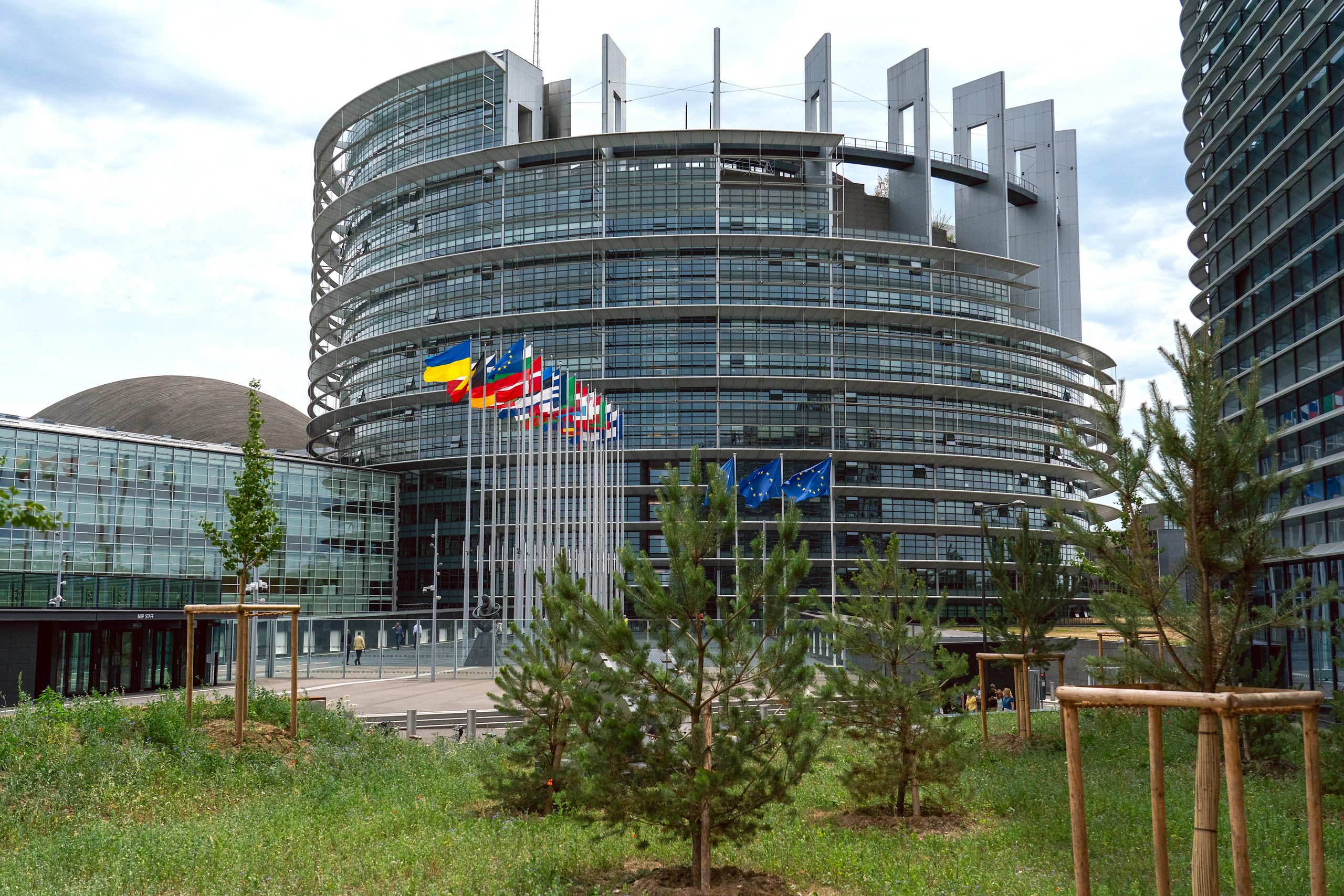
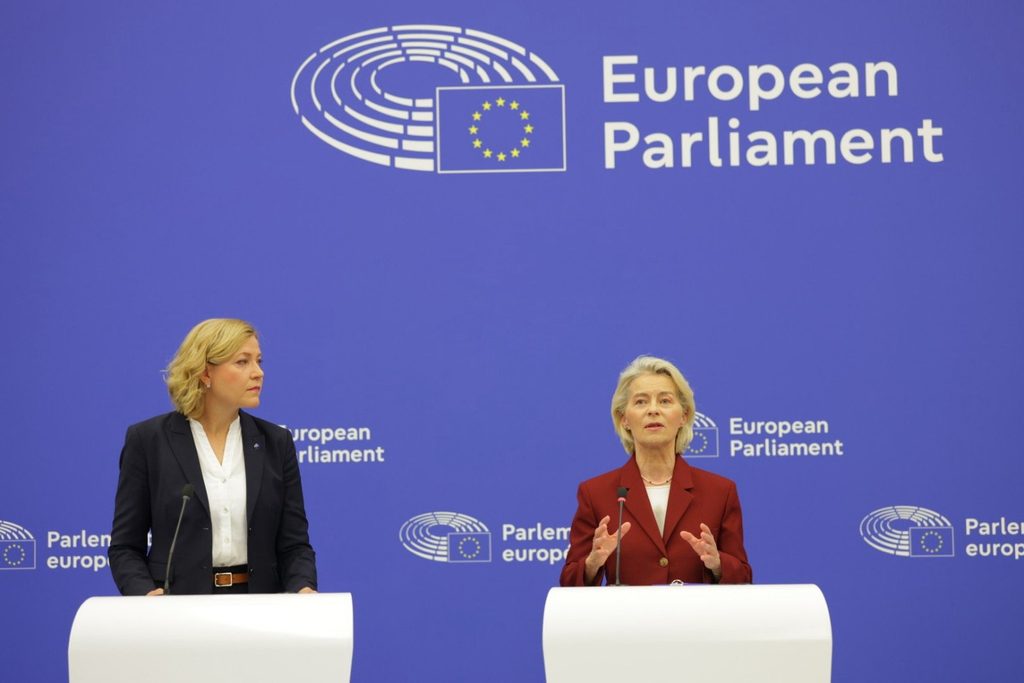
Featured image: European Parliament via Flickr
CC-BY-4.0: © European Union 2026– Source: EP