

Glasgow, Scotland – A decision from the UK government on the controversial Rosebank oil field is imminent after the final public consultation period closed on Monday, August 17.
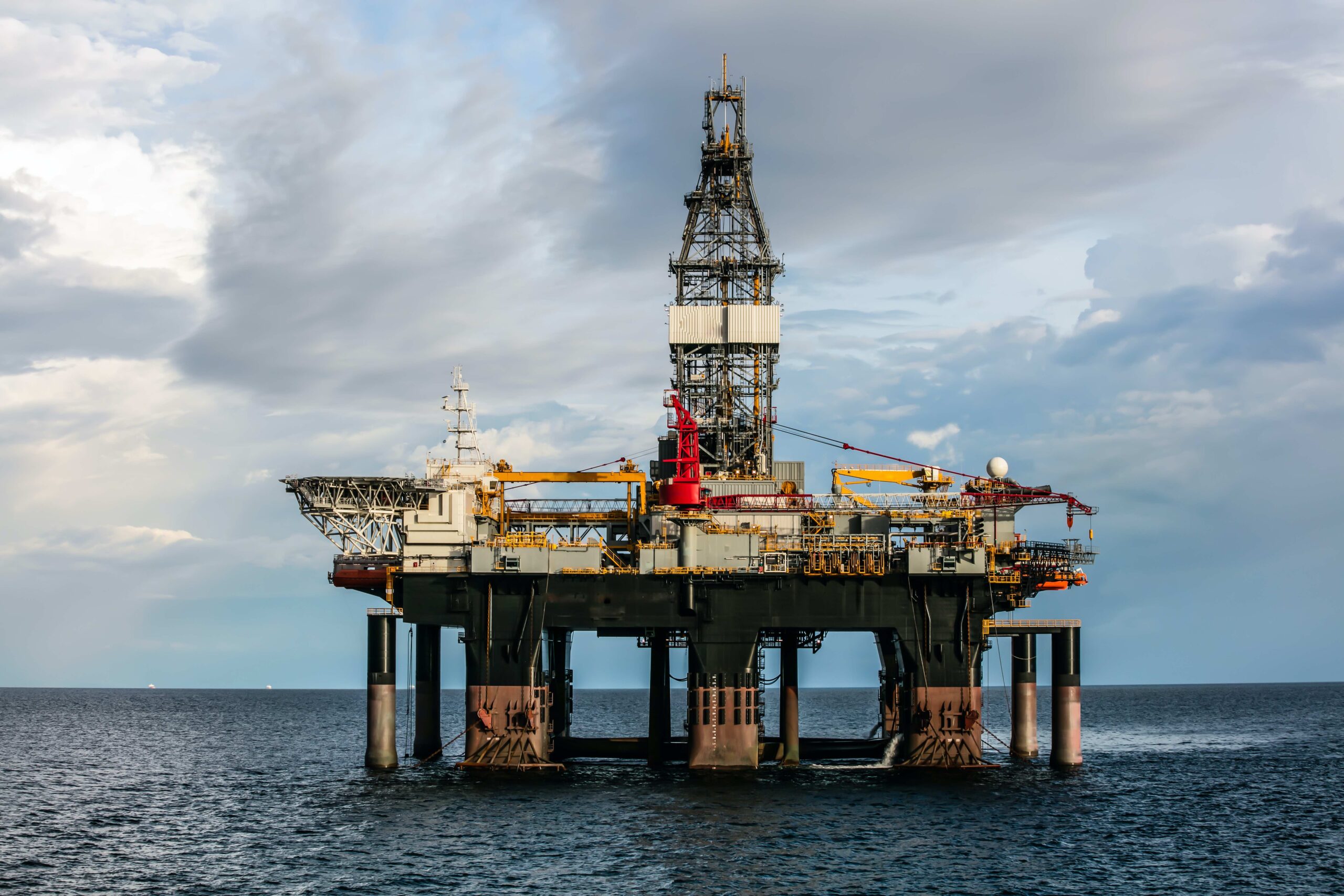
Rosebank is the UK’s largest undeveloped oil field, and its development has been a major source of contention between the UK government, developer Adura, and environmental activists since 2022.
Although Adura was given permission to develop Rosebank in 2023, this permission was overturned following a legal challenge from environmental organisations Greenpeace and Uplift in January 2025.
In September 2025, a new approval process kicked off, with the final public consultation period closing on August 17. It is now up to Energy Secretary Miatta Fahnbulleh to make the final decision on whether Rosebank receives the green light.
For Robert Palmer, deputy director of Uplift, Rosebank is a key climate test for Andy Burnham’s new administration.
“The science is really clear that going ahead with Rosebank is just not compatible with the UK’s climate commitments,” he told EU Reports, referencing the UK government’s current goal to reach net-zero emission by 2050.
It’s estimated that Rosebank would produce over 200 million tonnes of CO2 emissions, which exceeds the annual emissions of many low-income countries.
Neil McCulloch, CEO of Adura, told the BBC in an interview that fossil fuels will still be needed for many years, and that Rosebank is of “low significance” compared with total oil production globally. Adura’s website further states that Rosebank will be among the lowest emissions developments in the UK Continental Shelf (UKCS), “itself one of the most highly regulated and lowest emissions oil and gas basins anywhere in the world.”
However, Greg Muttitt, climate researcher at University College London, argued that Rosebank’s environmental impact must be considered cumulatively, “because climate change is a global problem and a long-term problem.”
“If, for instance, the UK decided it was going to order some of or a significant number of the existing other fields to close, […] then there would be room for Rosebank,” he explained to EU Reports. “Or if the UK government assumed that lots of other governments were going to order their oil companies to do that.”
Following his appointment as Prime Minister, Burnham has said that he would take a “pragmatic approach” to North Sea oil and gas following pressure by United States President Donald Trump to approve new drilling licences.
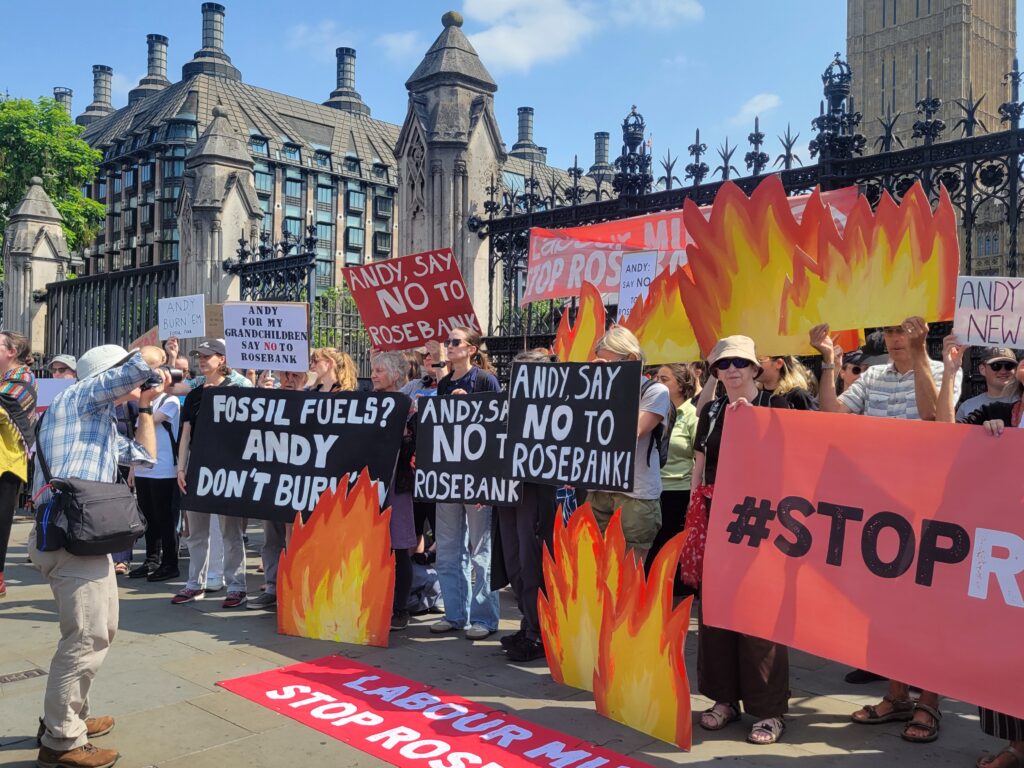
Speculation on Burnham’s potential reversal of Labour’s 2024 manifesto pledge not to approve new North Sea oil and gas licences has been met with protests from climate activists across the country.
Many areas in the UK have faced severe heatwaves over the summer, with the Met Office stating that 42% of the estimated 2700 excess deaths in May and June from heat-related causes resulted from human-induced climate change. Almost three quarters of England is currently in drought, with all regions of the country experiencing pressure on their water resources.
In recent days, serious wildfires across England and Wales prompted a national alert warning citizens not to do anything which could start a fire.
Major environmental organisations have called on Burnham to name climate change as the cause of the extreme weather events plaguing the country.
“There is no way you can be serious about tackling climate change and at the same time approve Rosebank,” said Palmer. “The future is not oil and gas, the future is renewables, and we need to do what we can to move away from our dependence on oil and gas.”
Featured image: via Stop Rosebank