
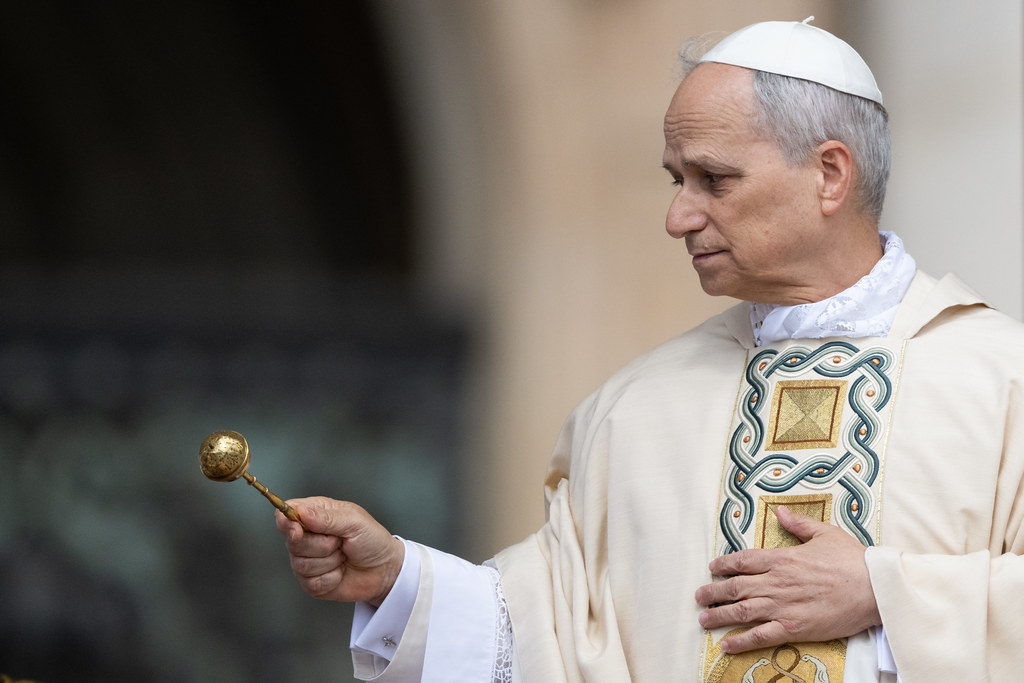
This weekend marks the first official visit to Spain by Pope Leo XIV, who will be touring the country from June 6 through 12.
It will also be the first time since 2011 that a Pope has visited Spain – a country with strong historic ties to Catholicism, though where the number of those identifying as Catholic has declined somewhat in recent years.
A study by Statista, in fact, showed a 15.8% drop in those identifying as Catholic in Spain from 2011 to 2026 – although 54.3% of the country’s 49.6 million residents identify as believers.
Among the highlights of the Pope’s tour will be a visit to the Spanish Parliament and meetings with King Felipe VI and Prime Minister Pedro Sánchez in Madrid, followed by the inauguration of the Tower of Jesus Christ at the Basílica de la Sagrada Família in Barcelona.
Notably, Pope Leo will then also be visiting the Canary Islands – a hot-spot for migrants crossing over from Africa – where he will be meeting migrants and representatives from organizations working to help them integrate.
Among the places where he will be stopping at this stage of the journey is the port of Arguineguín in Gran Canaria, dubbed the “pier of shame” due to the overcrowding and poor conditions faced by the thousands of migrants who have disembarked there.
The Vatican has emphasized dialogue “between Church, politics, and culture as tools for overcoming polarization,” as well as the need for peace, and aiding the most vulnerable.
The choice to make the plight of migrants a key part of the Pope’s visit could well prove significant for Spanish politics ahead of the general election next year, where it is widely expected that the conservative People’s Party (PP) will emerge as the winner, ousting Sánchez’s socialist government.
Read more: Vox play kingmaker in Andalusia amid Europe’s rightward drift
However, the PP may well fall short of an absolute majority, which would leave them dependent on the support of the far-right Vox party – as has been the case in recent regional elections.
With their “Spaniards first” approach to allocation of healthcare and other public resources, as well as mooted plans to deport up to 8 million people, Vox – which has in recent years become Spain’s third-largest party – has clashed not only with the incumbent PSOE party, but also with members of the Church who have spoken out in support of migrants.
As recently as April, 2026, Vox leader Santiago Abascal accused Bishop José Mazuelos of the Canary Islands of “profiting from illegal immigration” following Mazuelos’ statements of solidarity with immigrants. “If you want to be a Christian, and not just a Christian but a human being, you have to tend to migrants,” the Bishop had affirmed.
Abascal has affirmed that he may not be able to endorse the Pope’s message when he attends Parliament this week if the Vatican head does indeed speak out in favour of greater toleration for migrants.
“If a religious leader – whether it’s the Dalai Lama, the Pope, or a rabbi, tells us that we have to accept a process of massive immigration and an advance of Islamism within society, then we’re going to say no,” Abascal stated.
He went on to suggest that the Pope ought instead to show greater concern for Christians facing persecution in Africa.
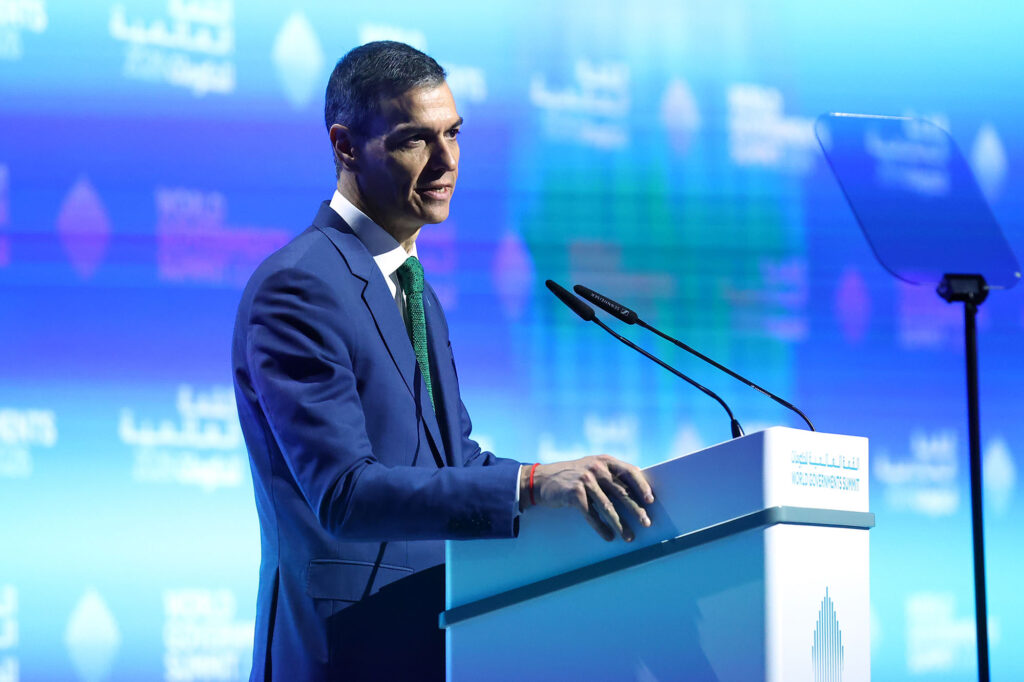
Prime Minister Sánchez, who will be going up for reelection after nine years in office, has taken a much more pro-migrant stance than many other European leaders, with plans to legalize the status of some 500,000 currently undocumented migrants.
Although he has described himself as an atheist, Sánchez has nevertheless praised Pope Leo as a “moral compass in the fight against injustice,” with “a humanist vision of migration.”
Featured image: Pope Leo XIV Inauguration Mass in St. Peter’s Square
Source: Catholic Church of England and Wales via Flickr
Author: Mazur/cbcew.org.uk
Creative Commons Licenses