
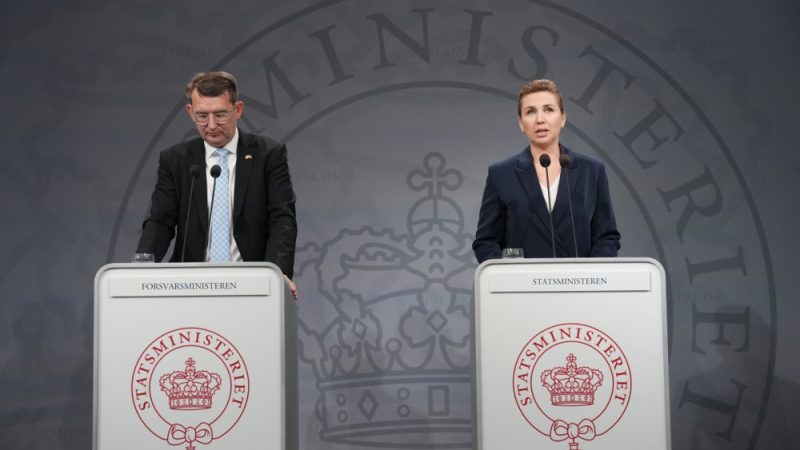
Denmark has broken its record for the longest coalition negotiations in its history after more than seven weeks of deadlock following a snap election on March 24, 2026.
The vote delivered an unexpected blow to the governing Social Democrats (SD), who recorded their worst share of vote since 1903.
Read more: Europe holds the line: Centrists back in a week of high-stakes votes
The previous record of 42 days was set in 2022, when sitting Prime Minister and SD leader Mette Frederiksen similarly struggled to assemble a governing majority.
Frederiksen had called this election suddenly, buoyed by a surge in public support following U.S. President Donald Trump’s threats against Greenland – an autonomous territory of Denmark. When voters actually went to the polls, however, the SD suffered a historic collapse in support.
Despite remaining the largest single party in the Folketing – the Danish Parliament that also represents Greenland and the Faroe Islands – Frederiksen has been unable to build a workable coalition. King Frederik X invited her in March to lead talks, but with no party surpassing 10% of the vote, bridging the gap between left and centre has proved impossible.
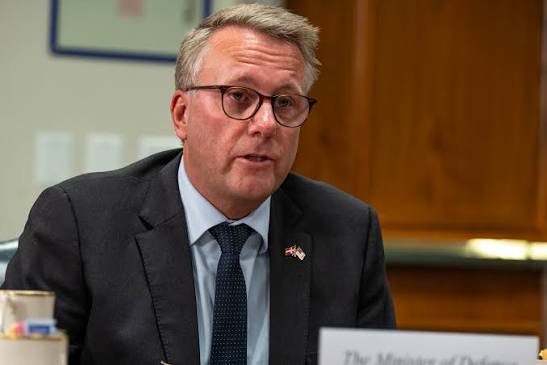
Lars Løkke Rasmussen, leader of the centrist Moderates and widely regarded as the coalition ‘kingmaker’, has now withdrawn from talks with Frederiksen and the SD, instead backing Deputy Prime Minister Troels Lund Poulsen, leader of the centre-right Liberal Party (Venstre).
Following consultations with all major parties, the King – who cannot independently perform political acts but maintains duties in the formulation of a new government – has now invited Poulsen to lead a new round of talks without participation of the SD or the Moderates, and potentially with the far-right Danish People’s Party (DPP) – which has tripled its vote share since the previous election.
The Danish Royal Household confirmed the King had received representatives from all the major political parties for their views earlier last week, with representatives of the left – including the SD – continuing to back Frederiksen as the leader in negotiations, but with most other parties giving their endorsement to Poulsen.
The Liberals, Conservatives, and Moderates have given their backing to Poulsen on the basis of the need for “a balanced reform policy,” and “to move Denmark forward in a challenging time.”
Meanwhile, the right-wing populist Danish Democrats have also indicated their support for Poulsen, emphasizing the need for “a bourgeois government whose ambition is to lower taxes and duties, tighten immigration policy, improve the balance between rural and urban areas, and ensure more common sense in the green transition.”
The DPP have also noted that a government with their involvement must have “the explicit goal of introducing measures that will lead to Muslim net emigration from Denmark, and does not involve the participation of the SD and the Moderates.”
In a post on social media, Frederiksen stated that she wished Poulsen “all the best for his work in the future,” although it remains to be seen whether he will be more effective in bringing about a swift conclusion to negotiations.
“There are of course disagreements, but there are also large areas of common ground. I remain optimistic with regard to the political content, which is moving in the right direction,” said Poulsen on X.
“To reach an agreement, it of course requires that all parties are willing to set aside personal issues. Over the coming days, we will continue negotiations with the parties that have been open to discussing how we can create a strong economic foundation for the Denmark of the future,” he added.
Featured image: Poslední skaut via X.