
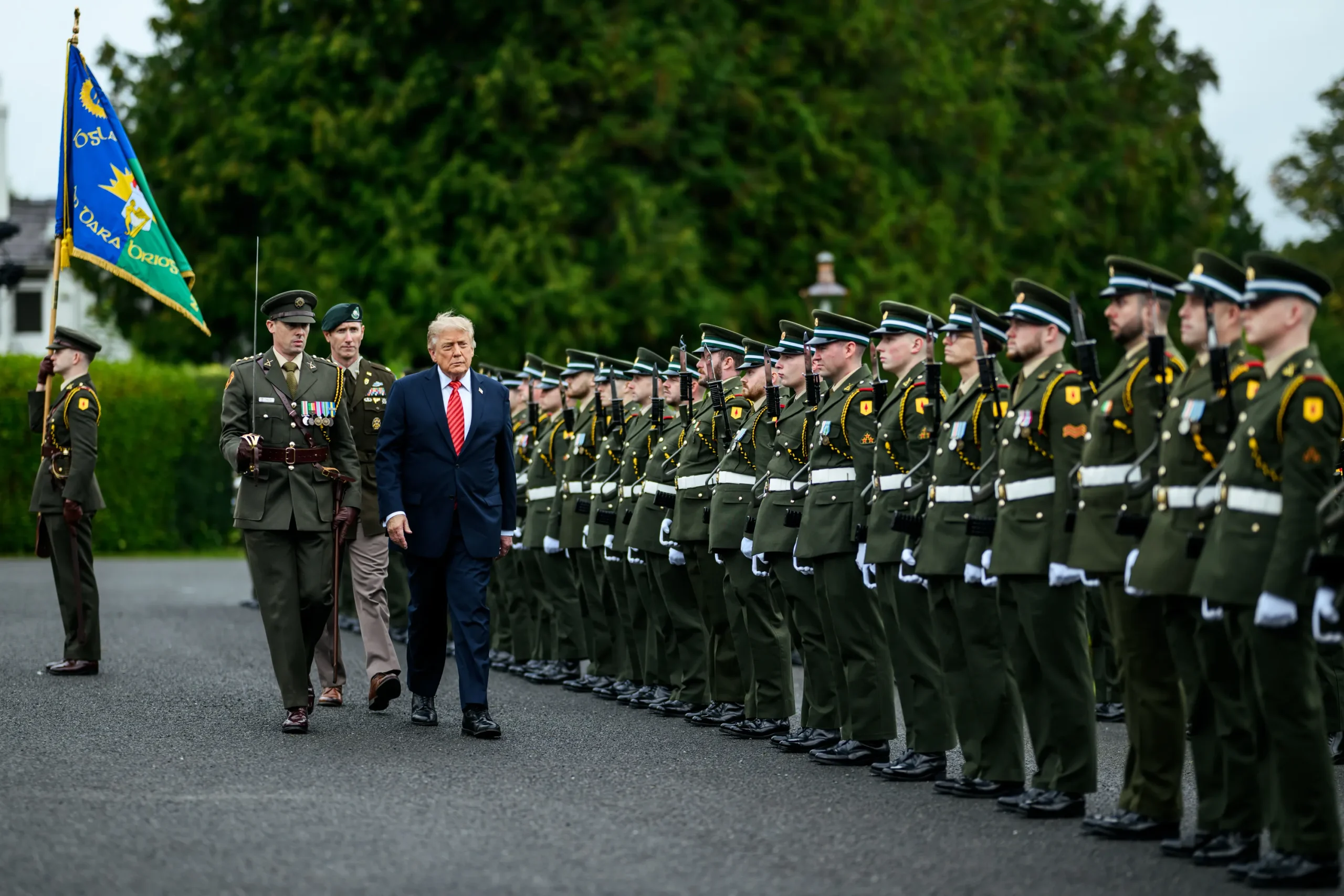
Dublin, Ireland — During his visit to Dublin on September 14, United States President Donald Trump expressed support for an Irish reunification, referencing both Northern Ireland and the Republic.
“I’d love to see it unified. It’s going to happen eventually. It may as well happen now,” said Trump during his meeting with Taoiseach Micheál Martin at the Farmleigh Estate.
Read more: Mass protests, diplomacy, and golf: Trump’s controversial two-day visit to Ireland
Taoiseach Martin pointed out that a unilateral approach to unity would be “very problematic and regressive”, according to regional Irish radio station Shannonside.
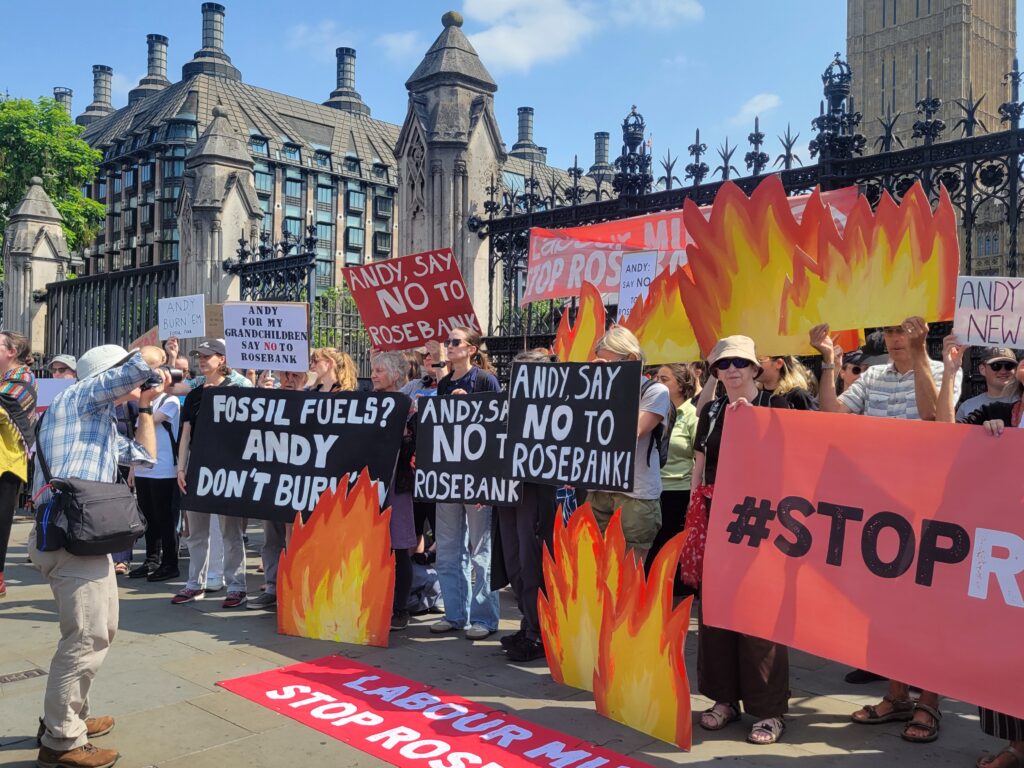
Trump’s visit was also marked by massive protests against his presence in the country, where Irish citizens turned out to voice opposition to policies related to his support for Israel and his hard-right policies against LGBTQ and feminist issues, among others.
“I think Irish people are a bit bemused and confused… it was a surprise,” stated University College Dublin Professor Liam Kennedy while in conversation with EU Reports. “Knowing that Trump talks off the cuff, a lot of people don’t know how serious to take it. Most are not taking it seriously at all.”
The division of the island into Northern Ireland and the Republic is rooted in the 1921 partition, when Britain, facing a war of independence in the south and fierce resistance to Irish self-rule in the north, split Ireland in two.
Under the 1920 Government of Ireland Act, six of Ulster’s nine counties became Northern Ireland, a territory drawn to secure a Protestant, unionist majority that wanted to remain in the UK. The remaining 26 counties became the Irish Free State, later the Republic of Ireland.
The conflicts between the British and Irish escalated in the late 1960s in a period known as “The Troubles”, eventually ending in the 1998 approval of the Good Friday Agreement, which established that reunification cannot be imposed from the outside, and depends solely on democratic referendums.
“It’s not something a world leader should say, because it’s seen as interfering in the politics of two other countries, the United Kingdom and Ireland,” Kennedy added.
“For a world leader like Trump to come to the island and casually suggest that everyone should just get together is stepping into a political minefield that he really shouldn’t be touching.”
Yet, resistance to the idea is not limited to the Republic of Ireland. Gavin Robinson, leader of the Democratic Unionist Party of Northern Ireland, shared via X:
“President Trump knows better than most that elections matter. Northern Ireland’s constitutional future will be decided by the people of Northern Ireland, not by commentary in London, Dublin or Washington.”
Featured image: President Donald J. Trump visits Ireland
Source: White House Gallery