


In the span of three weeks, Ukraine completed its first authorised combat drone export, signed drone cooperation agreements with three NATO allies, joined an anti-ballistic coalition and concluded another umbrella deal with the European Union. 2026 is quietly redrawing the map of defence partnerships — with Kyiv at the centre, supplying defence technology rather than solely receiving it.
Just four years ago, weapons and other forms of military aid were moving mostly in the opposite direction: Western allies shipped weapons east to support Ukraine’s efforts amid the Russian invasion. But today, those same allies are signing defence partnerships with the country at war, not out or charity but as strategic interest.
Considering Ukraine’s continued hold on most of its airspace despite brutal attacks and NATO’s $40 billion drone initiative, member states in relative peacetime stand to gain significant strategic advantage by adopting Ukraine’s drone and counter-drone infrastructure. NATO Secretary General Mark Rutte recently highlighted the stakes, stating that “drones have fundamentally altered the character of modern warfare and become a decisive factor on the battlefield.”
Since Russia’s full-scale invasion in February 2022, Ukraine has increasingly used drones and other unmanned systems to defend against its larger, better-resourced adversary. Four years of sustained aerial warfare against Russian combatants forced Ukraine to pioneer a domestic drone industry where systems are developed, tested and refined under live combat conditions.
After decades of running simulations, Western militaries are now gearing up to learn from a country at war.
Ukraine’s defence-tech cluster, Brave1, is rapidly expanding, with more than 200 companies now involved in producing AI-powered drones. Over 300 drone developments have been registered on the platform, with more than 70 AI-equipped systems already deployed on the frontlines.
Leveraging Palantir’s software infrastructure, the Brave1 initiative aims to equip all frontline drones with machine vision and AI, and so far, the Ukrainian Defence Ministry has approved a record 413 drone systems in 2026 — up 30% from the same period in 2025, and 73% from 2024.
Commenting on this expansion, Defence Minister Mykhailo Fedorov noted that “technological advantage is a critically important condition in war,” adding, “we must be faster than the enemy at every stage.”
“We are actively setting global standards for the future of warfare. Through initiatives like the UNITE – Brave NATO program, we are facilitating direct matchmaking partnerships between Ukrainian innovators and Allied defence companies,” a Brave1 spokesperson told EU Reports.
“The demand speaks for itself: we have over 1,000 potential international partnerships, reflecting global interest in developing combat-ready solutions alongside Ukraine.”
It is this battle-tested drone innovation that Western allies have begun to seek out. Laboratory simulations can only go so far; they do not reflect autonomous decision-making in live combat. While most NATO member states exist in relative peacetime, Ukraine has spent four years generating the blueprints they need in their war chest.
On July 1, Ukrainian manufacturer F-Drones completed the country’s first authorised export of finished combat drones: 2,000 F10 strike UAVs were shipped to the United States under the Pentagon’s Drone Dominance Program and just six days later, President Volodymyr Zelenskyy signed joint drone production deals with Denmark, Estonia, and the Netherlands, offering his nation’s aerial warfare expertise built over four years.
Ukraine also joined nine other European countries, including France and the United Kingdom, in establishing the Anti-Ballistic Missile Coalition on July 13, in an alliance seeking to develop a shared missile defence system through joint research and industrial cooperation.
Alongside these agreements, the European Commission announced the EU-Ukraine Drone Alliance on July 15, 2026, at the third EU-Ukraine Defence Industry Forum in Kyiv, with the aim of fostering partnerships between Ukrainian and European defence companies to develop new drone and counter-drone technologies, furthermore strengthening Europe’s overall defence readiness.
Meanwhile, Russia continues to refine its defence technology, including autonomous AI-enabled variants of the ‘Molniya’ attack drones, but Ukraine is adapting just as swiftly. Through the Brave1 initiative, its engineers are developing sophisticated systems to counter evolving threats, and the recent joint protection agreements are also expected to attract foreign investment, as NATO allies are provided with access to combat-tested innovations.
After years of intercepting Russian missiles, Ukraine has built an operational expertise that no other NATO country possesses. Consequently, the country’s relations with the West have shifted from one based on donor assistance to one built on partnership and shared interests.
Deputy Minister of Defence Ivan Havryliuk put it plainly: “We are not looking for suppliers — we are looking for partners. Ukraine is ready to co-invest, open its market, and rapidly integrate solutions into operational practice.”
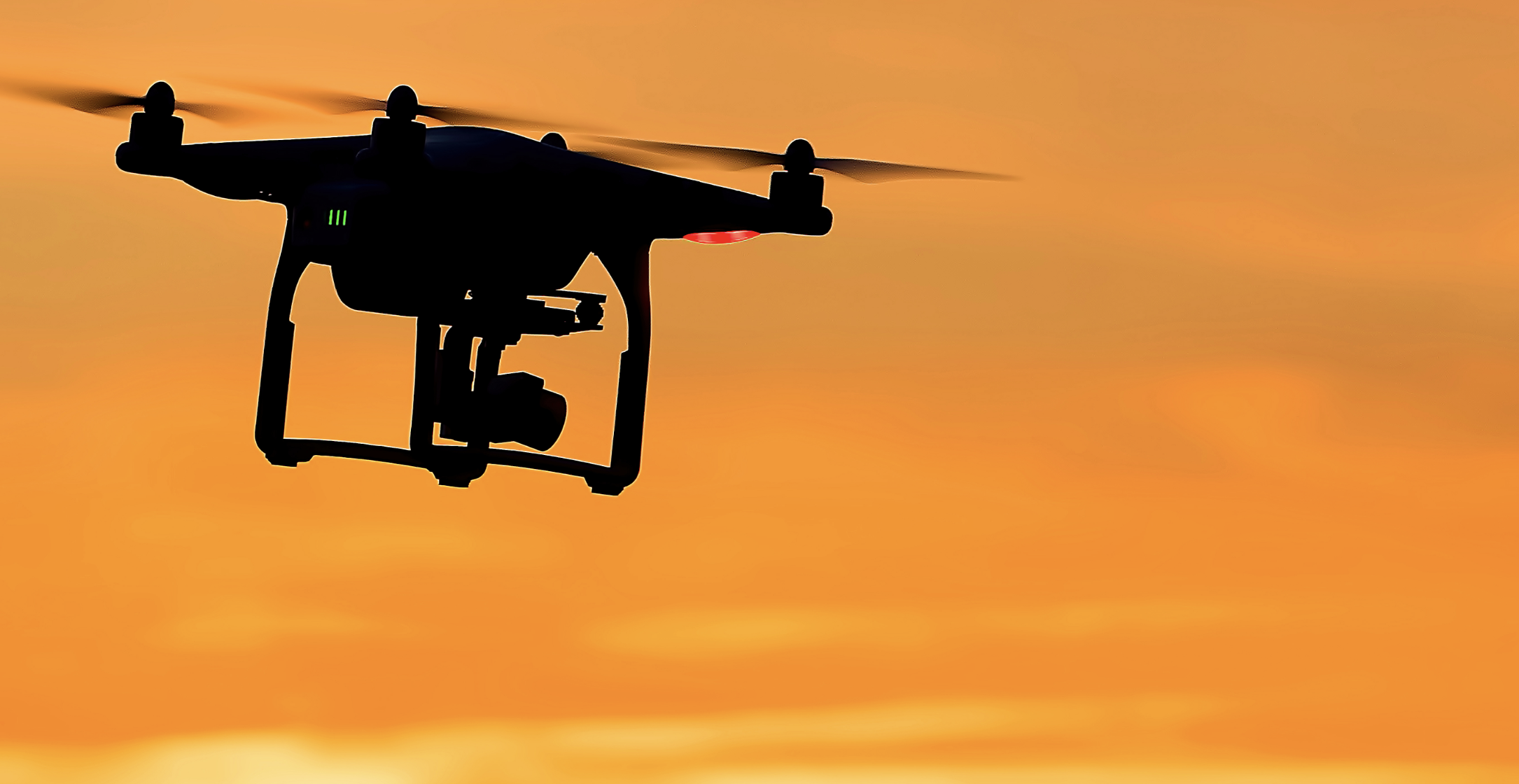
Featured image: Quadcopter drone
Author: Ricardo Gomez Angel
Source: Wikimedia Commons
Creative Commons Licenses








.jpg)