
Bristol, UK – Morocco has begun exporting gasoline to Russia, making the North African country the first in the continent to supply fuel products to Russia since Moscow launched its full-scale invasion of its neighbour, Ukraine, in 2022.
A Panama-flagged tanker left the Moroccan port of Tangier in mid-July, carrying the fuel, arriving in the Russian Arctic port of Murmansk in early August, although, weeks later, the cargo has still not been unloaded, as per Moroccan newspaper Hespress.
According to industry experts, Russia has imported about 30,000 metric tons of AI-92 gasoline. Lukoil, a Russian oil and gas firm, acted as the supplier.
Russian authorities have been forced to look for alternative suppliers as Ukrainian drones continue to devastate the country’s refining capabilities. Morocco joins India and Kazakhstan as the only countries to have supplied energy products to Russia since the start of the full-scale invasion in February 2022.
Refinery outages had cut Russian gasoline production to 65% of average summer consumption by early July, prompting Moscow to also restrict fuel exports and lean more heavily on supplies from Belarus and Kazakhstan.
A pricing dispute
Despite reaching Murmansk roughly two weeks ago, the shipment has still not been unloaded. According to Russian energy publication InfoTEK, the holdup comes down to money; oil companies and Russian regulators have been unable to agree on how the imported fuel should be priced.
Suppliers argue the price needs to reflect the high transport, insurance, tax and handling costs involved in bringing fuel in from Morocco and India, whereas regulators are pushing for it to be sold closer to domestic prices.
One source told InfoTEK companies are seeking as much as 150,000 roubles (€1,524) per tonne, against domestic exchange prices of around 77,620 roubles (€788.5) per tonne on August 13.
Other sources described an initial offer of 130,000 roubles (€1,320) per tonne later cut to 110,000 (€1,118). InfoTEK’s own estimate put the landed cost of the imported gasoline at around 146,000 roubles (€1,483) per tonne once freight, port handling, excise duties and VAT are all factored in.
A sale at prevailing domestic prices, in other words, would likely be loss-making without some form of government compensation.
Plans were reportedly already in motion to bring the fuel to market. The St. Petersburg International Mercantile Exchange introduced new trading instruments on July 29 for AI-92 petrol delivered from the Kola station in the Murmansk region.
Trading under that mechanism has yet to begin, and neither the tankers nor onward rail shipments from Kola have moved.
Worsening domestic fuel crisis
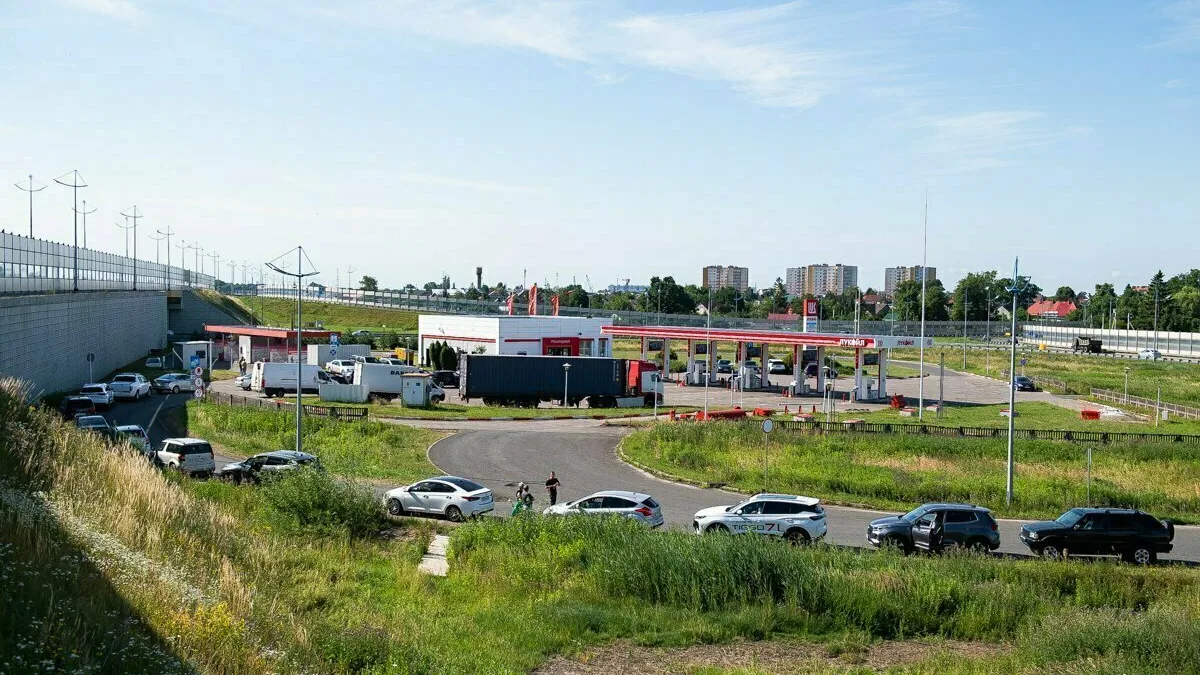
The delay comes as a fresh wave of fuel shortages hits Russia’s northwest. Petrol stations in Murmansk region have reportedly been rationing sales and, in some towns, to as little as 30 litres per customer, with several brands out of AI-92 and AI-95 petrol entirely.
Shortages have also been reported in Arkhangelsk, where only a handful of stations have fuel available over the weekend, and in Karelia, where queues have persisted and stations have capped purchases at 30-40 litres per customer.
Despite having previously voiced support for Ukraine’s territorial integrity, Morocco’s move will raise eyebrows in European capitals.
The July 27 breakout of 70,000 mostly Moroccan migrants into the Spanish territory of Ceuta has raised concerns that the EU is facing security risks in the east and west of the continent. Increased cooperation between Moscow and Rabat will therefore raise serious security concerns for European leaders facing an ever-increasing number of challenges.
EU Reports has approached the Moroccan Embassy in London and the EU Delegation in Rabat for comments.
Featured image: Cars queueing in front of a filling station in Kaliningrad, 2 July 2026
Source: Srpske Novine
Author: Александр Подгорчук
Creative Commons Licenses