
The Russia-led Collective Security Treaty Organization (CSTO) has stripped Armenia of its voting rights at its November 11 summit in Moscow, Kremlin spokesman Dmitry Peskov said on Wednesday, barring Yerevan from voting in the bloc and from appointing representatives to key positions within it.
Peskov said the decision was taken “given that Armenia has failed to fulfill its obligations for several years, and in accordance with the organization’s charter”, a reference to the membership contributions Armenia stopped paying in 2024. The move does not end Armenia’s membership, and the alliance’s secretary-general Taalatbek Masadykov said Armenia could be reinstated as soon as it settles its dues.
The decision is the latest sign of deepening divisions between Yerevan and Moscow.
Russian Foreign Minister Sergei Lavrov announced on November 10 that CSTO leaders would discuss suspending Armenia’s voting rights at a Moscow summit on November 11.
Armenia, meanwhile, continues to distance itself from the military alliance, which it has accused of failing to provide protection from its neighbour Azerbaijan.
Azerbaijan has made repeated incursions into Armenia’s territory over recent years. In May 2021 and September 2022, Azerbaijani forces advanced into the provinces of Syunik, Gegharkunik and Vayots Dzor, with Armenia saying Azerbaijan attacked its territory and seized settlements inside its borders while Baku said it was responding to Armenian “provocations”.
According to the Armenian government, Azerbaijan still occupies more than 200 square kilometres of Armenian territory seized during those clashes, an accusation Baku rejects, arguing that the border in the area has never been formally demarcated.
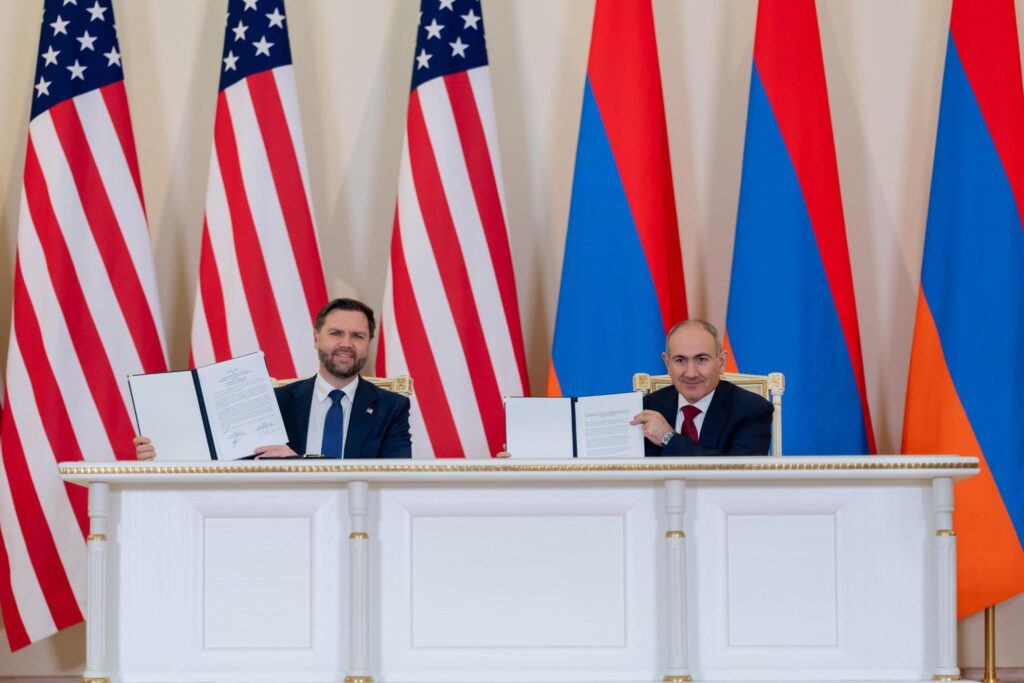
Most recently, in February 2024, Azerbaijani fire killed four Armenian soldiers at a post in Syunik, and ceasefire violations along the border surged again in 2025 before the two countries signed a U.S.-brokered joint declaration at the White House in August 2025, which has yet to produce a finalised peace treaty.
Russia, meanwhile, says Armenia has failed to pay its CSTO membership contributions for more than two years, dating back to 2024.
Article 25 of the CSTO Charter renders Armenia vulnerable to lose not only its voting rights but also its ability to nominate Armenian nationals for positions within the organisation until its outstanding dues are paid.
Lavrov stressed that, even if the restrictions are approved, Armenia would remain part of CSTO and also retain its right to protection from its fellow members under the collective defense pact: “we are not slamming the door shut.”
Relations between Russia and Armenia, however, have begun deteriorating particularly sharply following Armenia’s 2020 war with Azerbaijan over Artsakh, also known internationally as Nagorno-Karabakh.
In 2022, when Azerbaijani forces made advances into Armenia’s internationally recognised territory, Yerevan accused the CSTO of failing to adequately support Armenia.
The CSTO is a Russia-led military alliance of only six members: Armenia, Belarus, Kazakhstan, Kyrgyzstan, Russia, and Tajikistan.
Structured around military cooperation, its main purpose is to protect member countries from external military threats and coordinate their collective defence. Similarly to NATO, the treaty demands all participating states to consider any aggression onto another as their own.
This promise was put to a high-stakes test in September 2023, when Azerbaijan invaded Artsakh, which caused over 100,000 ethnic Armenians to flee the territory.
The presence of a Russian peacekeeping contingent from Russia did not prevent this from occurring, nor did Russia or another CSTO member provide Armenia with military or political backing despite Armenia having formally requested CSTO support.
Only months later, Armenian Prime Minister Nikol Pashinyan announced in February 2024 that his country had ceased its participation in the CSTO. It stopped paying its membership contributions in the same month and has not restarted them.
The CSTO discussion over suspending Armenia’s voting rights therefore creates a paradox. On November 5, 2026, Pashinyan proclaimed “our interest in the CSTO has run its course”, suggesting that Armenia already situates itself at a distance from the alliance.
A formal suspension of Armenia’s voting rights by the CSTO could, however, institutionalise the divisions between Armenia and its fellow members, and increase their visibility on the international stage.
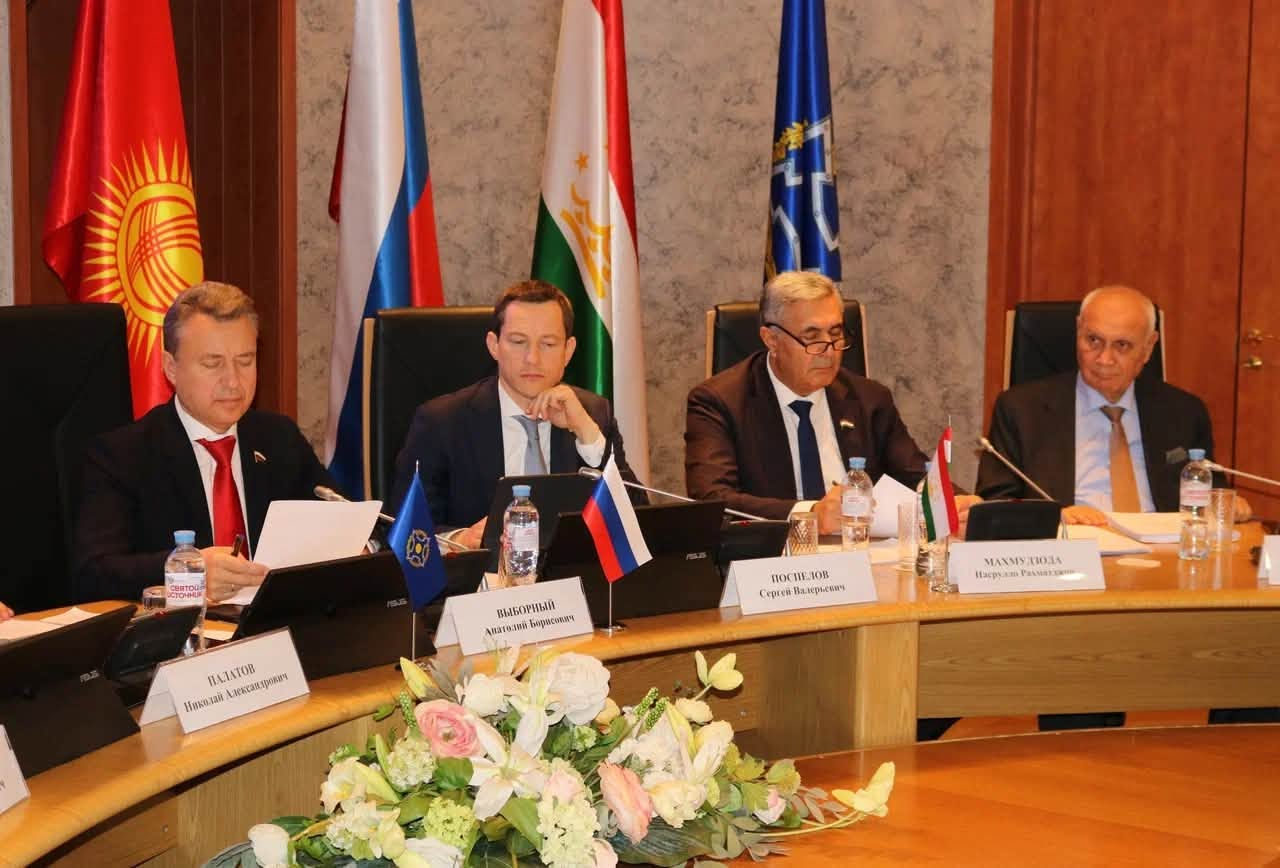
Featured image: Parliamentary Assembly of the Collective Security Treaty Organization via Facebook