
Bulgarian Deputy Prime Minister Atanas Pekanov confirmed that the country’s 2027 budget is now expected on Friday, November 6, a week after the October 31 deadline set by Bulgarian law. The delay, coming days after the presidential election and alongside a sharp rise in natural gas prices, has fuelled suspicions that unpopular economic decisions were held back until voters had cast their ballots.
The delay coincided with the presidential election, the second round of which took place on November 1, and opposition politicians have accused the government of withholding potentially unpopular budget measures until after voting.
Read more: Bulgaria elects first female president amid record-low turnout, deep divisions
Opposition leader Assen Vassilev has suggested that the government is delaying publication because the budget could contain unpopular tax measures or insufficient savings.
The government says EU consultations caused the delay, however. Bulgaria is under an EU excessive-deficit procedure, and Prime Minister Radev said that transitioning to preparing the budget in euros for the first time, along with working to resolve “contentious issues”, delayed matters unavoidably.
On October 15, Bulgaria submitted a preliminary budget plan to the European Commission, successfully meeting the EU deadline.
However, the national budget’s presentation and submission to Bulgaria’s parliament were delayed and the opacity has raised concerns that the budget will be unpopular.
Last year, Bulgaria’s proposed 2026 budget was one of the main triggers of the large anti-government protests which began in late 2025, when large demonstrations against the draft budget took place in Sofia beginning on November 26.
The main objections included higher social security contributions, which affected workers and employers, as well as doubling the dividend tax from 5% to 10%, which affected business owners and investors.
These objections occurred in a climate of increased government spending, which raised additional concerns about waste and how public money would be managed.
A further central concern was about corruption and a lack of transparency, including accusations that the budget was being pushed through without adequate public debate.
On December 1, tens of thousands protested across Bulgaria and demanded greater accountability and even the government’s resignation. The following day, the government moved to withdraw its proposed budget; on December 11, Prime Minister Rosen Zhelyazkov’s government resigned amid continuing protests.
This year, another issue is troubling Bulgarians beyond the delayed budget announcement: Bulgargaz, Bulgaria’s state-owned natural gas supplier, has just increased its prices by 32.52% for November 2026.
Opposition politician Kornelia Ninova has specifically criticised the fact that the increase was approved after the election and said “one day after the election, they mocked the people”.
Bulgargaz submitted its price increase request on October 12, but on October 28 the regulator challenged the proposed 34% increase. On November 1, the new pricing period began, and on November 2—after the presidential election—the regulator approved the 32.52% increase.
Whilst retail pricing and heating tariffs are regulated separately, which means that a 32.52% wholesale gas price increase does not mean every Bulgarian household’s gas or heating bill will rise by 32.52%, BulgarGaz is still a state-owned entity, which means its pricing decisions attract public scrutiny.
With energy costs rising and the government facing controversy over its delayed budget at the same time, Bulgaria faces a difficult task if it is to gain the trust of the people after record-low voter turnout in its recent elections.
Néliya, a 19-year-old software engineering student in Sofia, told EU Reports that the budget is already stoking tensions before its projected announcement on Friday: “It’s still not out and last year budget 2026 was the reason why people went out on the streets and that’s why the majority of the people think it’s pretty bad.”
She added that “most people believe that budget 2027 is late because of the elections since the ruling party didn’t want to embarrass their candidate (who won).”
The publication of Bulgaria’s 2027 budget on Friday may provide answers about the government’s economic plans, but it is unlikely to settle the wider questions surrounding the timing of its decisions.
With last year’s protests still shaping public attitudes, the government faces growing pressure to demonstrate transparency and rebuild confidence in its handling of the economy.
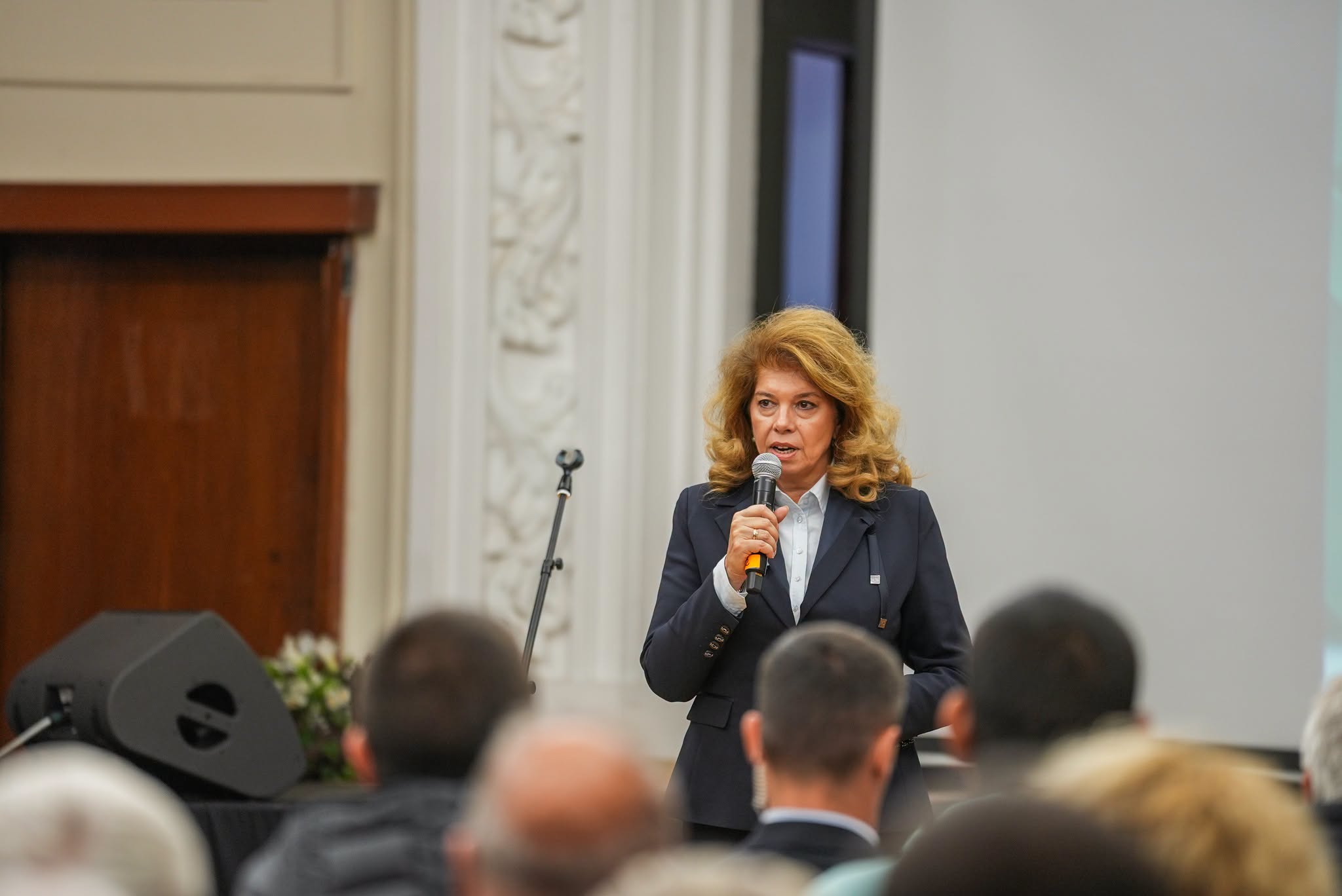
Featured image: Iliana Iotova via Facebook