

UK Prime Minister Andy Burnham has claimed that he has, since becoming PM, been given direct confirmation of Russian attempts to interfere in British democratic processes during the Brexit referendum on the UK’s EU membership.
“I asked the question coming to Downing Street, was there interference in the 2016 referendum from Russia?,” he said in an interview with podcast The Rest is Politics.
The prime minister did not elaborate on the specific source for the information he said he had been given on this, but added that “I’ve had the clear answer that yes, there was.”
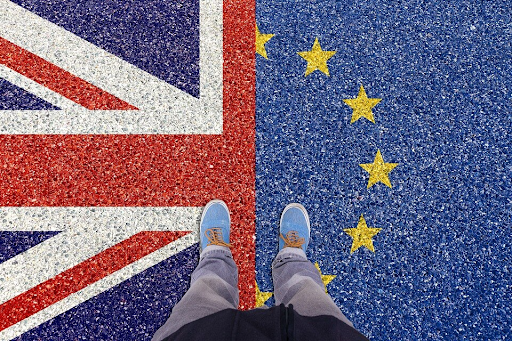
There had long been speculation about the extent to which disinformation fuelled both by the Kremlin and others may have affected the outcome of the referendum, which took place in June 2016. The result saw the UK leave the EU, with 51% voting to leave and 48% voting to remain.
Burnham further stated that voters in Europe should be aware of the influence that Russia is trying to exert, and in particular pointed to both France and Germany, each of which are scheduled to hold presidential elections next year, and are seeing the far-right leading in the polls ahead of this.
Burnham confirmed that he’d already discussed possible links between Russia and the far-right with German Chancellor Friederich Merz, after Merz accused the German far-right Alternative for Germany (AfD) party of having ties with Russia in the wake of their success in Germany’s recent state elections.
Merz told Burnham that the AfD are “clearly linked to Russia; “funded, I believe,” the UK head of state said.
“There is certainly misinformation, disinformation, that is emanating from Russia into German politics. These things are important now to put clearly on the record and help voters in Germany and France understand that some of this politics is instigated via our enemies, namely Russia.”
“I think we’ve been too much on the back foot on that, actually,” he added. “We haven’t informed people sufficiently about the extent to which people are seeking to disrupt the political process from overseas.”
This apparent confirmation of Russian interference in the Brexit referendum contradicts statements made by previous UK governments. Prior investigations had found that whilst there was evidence of Russian meddling in the UK’s 2019 General election – which saw Conservative Boris Johnson elected on the pledge to “get Brexit done” – and that the Russian threat was “badly underestimated,” there was insufficient evidence of successful interference in the Brexit referendum.
However, a report by Parliament’s Intelligence and Security Committee in 2020 claimed that government and intelligence services had failed to properly investigate this.
Burnham’s comments have drawn criticism from supporters of the Brexit withdrawal. Conservative Party leader Kemi Badenoch, for one, called on Burnham to “publish the evidence that Russia swung the result of the 2016 referendum,” whilst Nigel Farage, leader of the right-wing populist Reform party – which he had founded as the Brexit party – has branded Burnham “a liar”.
“There was no Russian interference – the Russian hoax has run all the way through this,” said Farage.
Boris Johnson has discredited Burnham’s account on X, explaining that he asked the same question when he became foreign secretary in July 2016. “[The security services] replied that there was no evidence of any successful interference in the 2016 referendum, by Russia or any other power.
“Either the security services have changed their view – which would be very odd – or Burnham is lying about what he has been told,” Johnson stressed.
The former Secretary of State for International Trade and former Conservative MP Sir Liam Fox accused Burnham of telling “half truths,” stating that “Russia tried but failed to interfere in the Brexit referendum. Confirmed by the security minister. Confirmed by the Foreign Office. Burnham should apologise to the British people for trying to delegitimize the result.”
The UK’s Labour government has since clarified that Burnham’s statements should not be taken to mean that the results of the Brexit referendum were illegitimate, or that Russian interference swung the outcome one way or another.
Burnham has stressed that he had “implied no such thing” when responding to Badenoch’s questions in Parliament, but added that it was “inconceivable” that the 2019 election had been the first time Russia had attempted to interfere in UK elections.
Stephen Doughty, the UK’s Minister of State for the Middle East, North Africa, Afghanistan and Pakistan, further stated that whilst Russia may have attempted to interfere in the referendum, “the result is the result”.
“I don’t think they’ve succeeded in their efforts,” he added. “The security minister’s been very clear that they’ve attempted but not succeeded, in his evidence that he gave previously on this. But the fact is that they are attempting to interfere, and we all need to be alert to that and respond accordingly.”
Critics have accused the government of deliberately sowing doubt on the referendum result in order to justify a closer relationship with Europe without a democratic mandate for doing so.
Conservative MP Katie Lam claimed that the Prime Minister was “spreading conspiracy theories” about the Brexit referendum, stating that “politicians shouldn’t try to undermine democratic votes just because they don’t like the result.”
Burnham has already stated that he wants to see the UK forge a closer relationship with the EU and that it would be a “major dereliction of duty” for his government not to explore this further.
Read more: Burnham reopens Brexit debate, pushes for closer EU ties
However, he has remained committed to the same “red lines” on this as Keir Starmer’s government had before him, and adding that “at every stage, the British public will be the boss, and I am clear that public opinion currently supports a pragmatic approach like the one I am suggesting.”
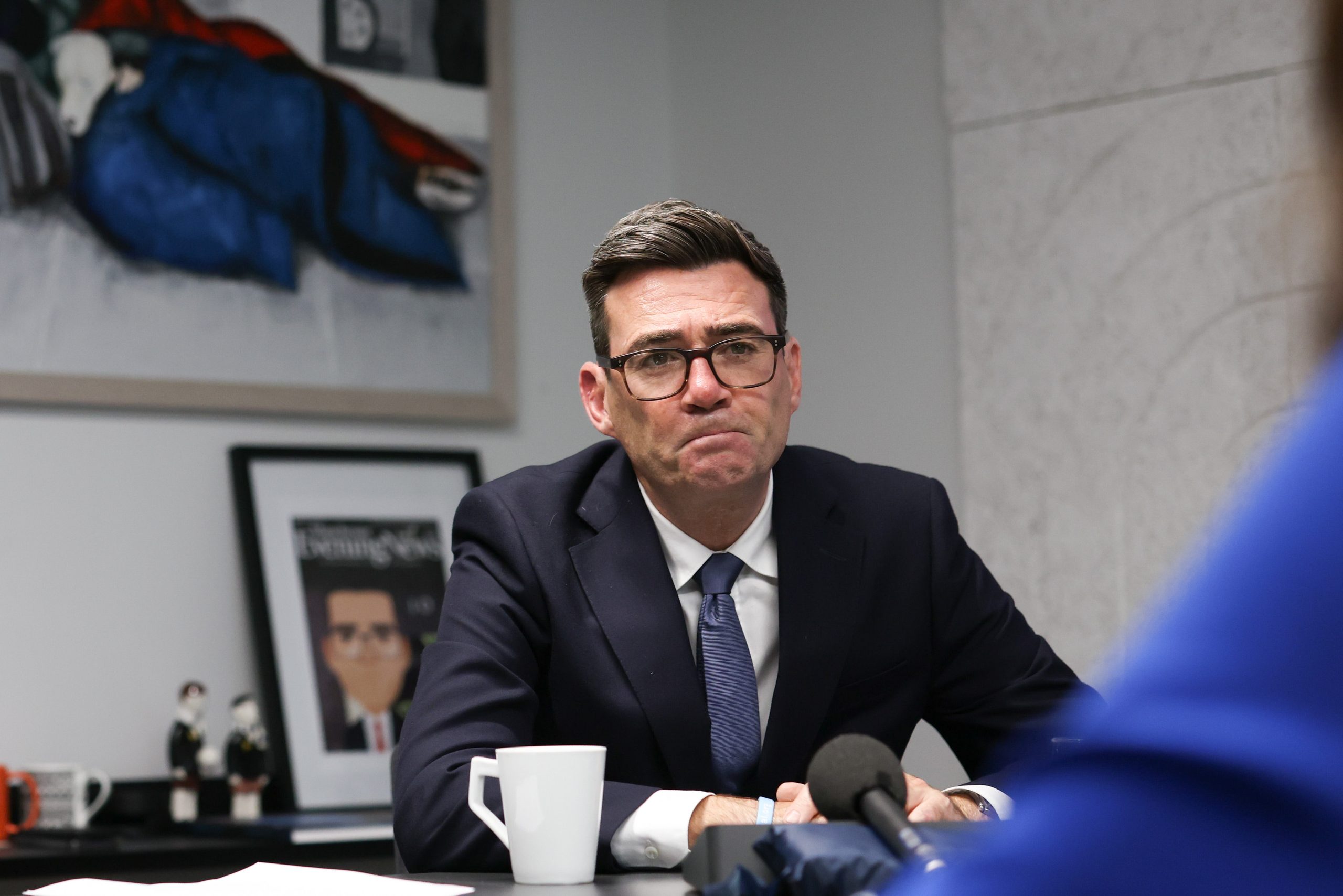
Featured image: Andy Burnham holds Media interviews in No10 North
Author: Lauren Hurley / No 10 Downing Street
Source: Number 10 via Flickr