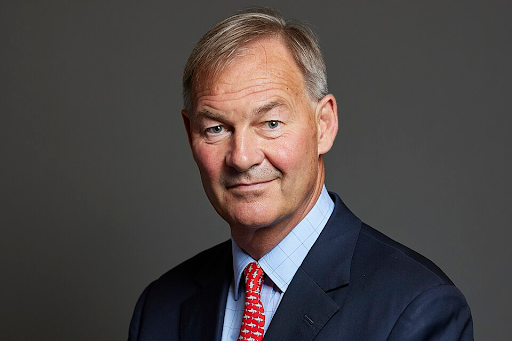

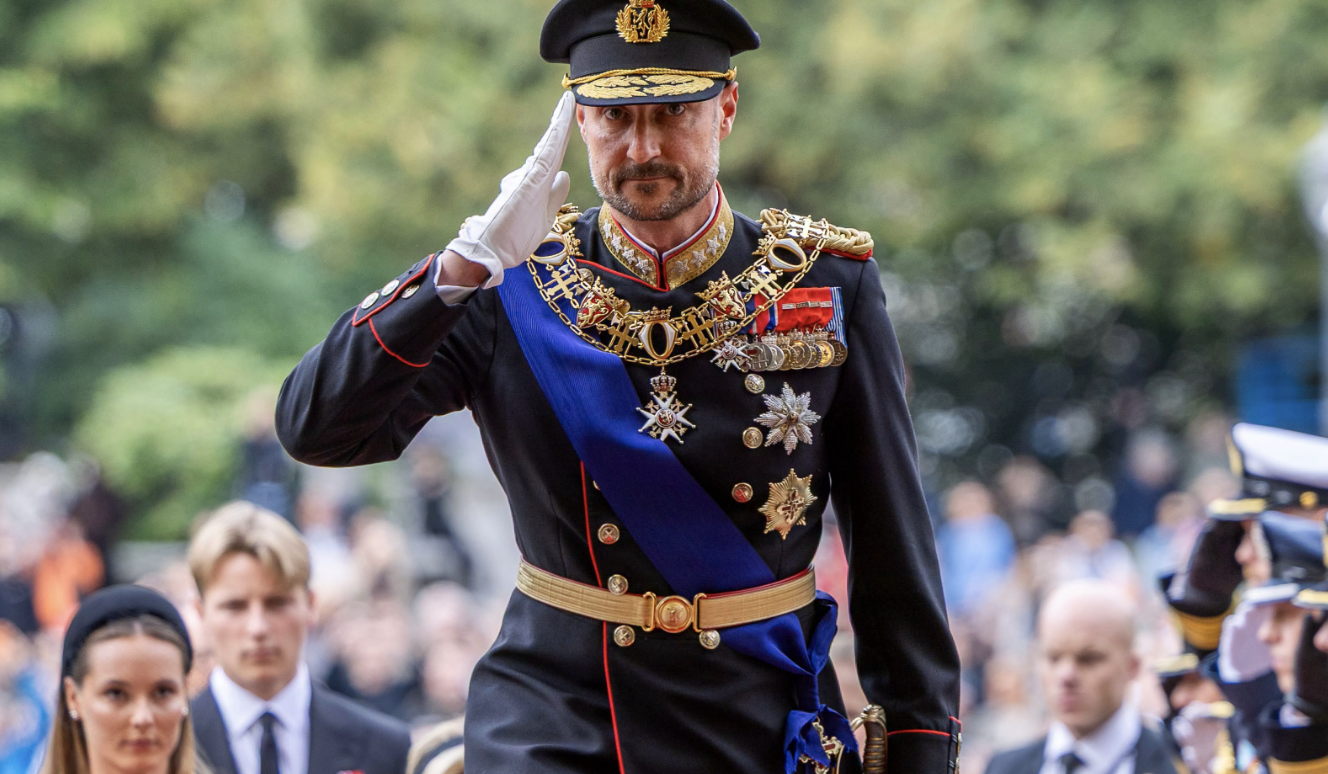

Norway’s Harald V, who had been Europe’s oldest reigning monarch, died on August 28, 2026, at 89.
King Haakon VIII, his son, has already sworn his oath of allegiance to Parliament, and the Royal Palace has now confirmed that Harald’s funeral will take place on Wednesday, September 9 at Oslo Cathedral.
Harald was admitted to hospital on August 17 for treatment to haemolytic anaemia, with his condition worsening until it was announced as “extremely serious” on August 27. The following day, the Royal Family released a statement.
“It is with deep sadness that we announce that His Majesty King Harald passed away today. King Harald passed away peacefully at Oslo University Hospital on Friday, August 28 at 6:35 am.”
Mourning and succession
Haakon became king the moment his father died; Norway’s constitutional monarchy holds no formal coronation. The country has since observed an official period of national mourning.
Late King Harald’s coffin was moved from hospital to the Royal Palace’s Red Salon on the evening of his death, then carried to the Palace Chapel on August 31, where members of the public can pay their respects.
Tens of thousands of Norwegians also turned out for memorial services in cathedrals and churches nationwide, and some families reportedly postponed weddings and other celebrations out of respect for the mourning period.
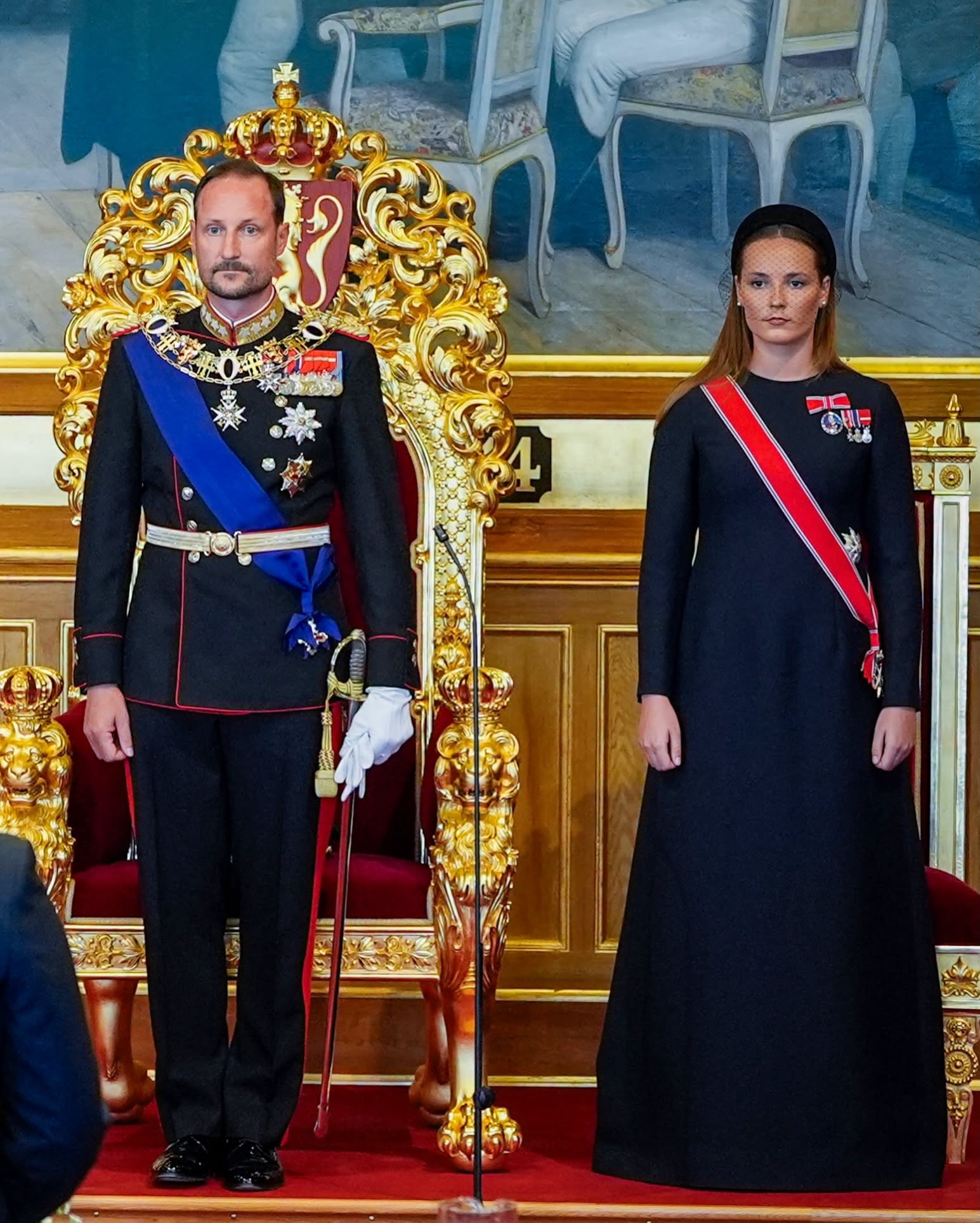
On September 1, King Haakon VIII formally swore his oath of allegiance to the constitution before the Storting, with Princess Ingrid Alexandra at his side. His wife, Queen Mette-Marit was absent, reportedly for health reasons tied to a recent lung transplant.
Haakon, 53, has adopted the motto “All for Norway,” a phrase that traces back to his great-grandfather, King Haakon VII.
The funeral itself will be led by the presiding Bishop of the Church of Norway, Olav Fykse Tveit, together with Oslo Bishop Sunniva Gylver, and will be followed by a procession to Akershus Fortress, where Harald will be laid to rest in the royal mausoleum alongside his father and grandfather.
Marjo Kotioja-Partanen, a special-needs teacher with a long-term interest in the Norwegian Royal family who lives in Forssa, Finland, noted Norway is in good hands with King Haakon VIII.
“It’s sad that King Harald died, but I’m not worried. Harald was a modern and tolerant king. I’m sure that King Haakon is going to be the same, if not better,” Kotioja-Partanen stressed.
An uncertain reign ahead
Haakon inherits the throne at an awkward moment for the institution he now leads. Earlier this year, Queen Mette-Marit’s past association with the late sex offender Jeffrey Epstein became international news, and her son from a previous relationship, Marius Borg Høiby, was convicted of rape and domestic violence and sentenced to four years in prison on June 15.
Polling on the monarchy’s popularity dipped to a record low following Høiby’s trial in February, though support has since recovered, as per CNN.
Unlike in the UK, where periodic debate over scaling back or abolishing the monarchy resurfaces, such discussions remain rare in Norway. Royal commentators have suggested that the death of a monarch often brings a bump in national unity and goodwill toward the crown, and that Haakon’s own reputation for informality and accessibility could work in his favour
Whether that goodwill outlasts the funeral, or whether the family’s recent controversies resurface once the mourning period ends, may shape how the early years of Haakon’s reign are remembered.
A life shaped by war and reform
The late King spent his childhood between Sweden and the United States, in exile from the German occupation of Norway during World War II. He then studied at the University of Oslo, the Cavalry Officer’s Candidate School at Trandum, the Norwegian Military Academy, and Balliol College, Oxford, where he studied history, economics, and politics.
Harald was also an avid sailor, having represented Norway in three Olympic Games (1964, 1968 and 1972), later gaining him status as a patron of World Sailing.
Upon his father’s death in January 1991, Harald succeeded to the throne, becoming the first Norwegian-born monarch since the death of Olav IV in 1387. He was known for his promotion of a diverse Norway, including accepting immigrants, LGBTQ+ people and an abundant array of religions.
He had also gained notoriety for having reformed and modernised the Norwegian Royal family, both interacting more with the public and by marrying Queen Sonja, a non-royal.
“As Europe’s oldest living monarch, King Harald V of Norway embodied the post-war royal era, witnessing his country’s evolution into a free and progressive society,” said Katie Marshall, King’s Trust Ambassador, history podcaster, and researcher of royal history, in conversation with EU Reports.
“His immense popularity was testament to his ability to connect with the Norwegian people on a profoundly human level through national triumph and tragedy.”
Marshall also pointed to Harald V’s close relationship with the UK, from his education at Oxford to his British-born father and the great-grandparents whom he shared with the late Queen Elizabeth II.
King Harald was very popular amongst Norwegians, explained Synnøve Hjorthol Gandara, a resident of the eastern Sykkylven municipality.
“King Harald never felt like a distant monarch to us; he truly was a people’s king, someone Norwegians felt remarkably close to because of his warmth, humility, humour and humanity. His passing feels deeply personal, almost like losing a beloved grandfather who was there through our joys and our darkest moments, reminding us of who we are as a people,” she told EU Reports.
Tributes from across Europe
European leaders have paid tribute to the late King, including French President Emmanuel Macron. “It is with deep sadness that I learn the passing of His Majesty King Harald, who worked tirelessly throughout his reign to strengthen the bonds uniting Norway and France,” the president shared on X.
Meanwhile, King Carl XVI Gustaf of Sweden said that the late King was “all for Norway”.
King Frederik of Denmark echoed the tributes, remarking that Harald was “an extraordinary man”, and European Commission President Ursula von der Leyen noted Harald was a “true European, praising his service to Norway, which was full of “warmth, humility, and an unwavering sense of duty.”
Citizens of Europe have also expressed their condolences. “The old King was sporty and loved to joke. He was a real gentleman,” said a Finnish citizen living in Stockholm, who wishes to remain anonymous, to EU Reports.
Anticipating his funeral, she predicted that it “is going to be something that all the people in Norway would like to be a part of. Last night they were gathering by the hospital and singing for the King.”
A love story that changed the monarchy
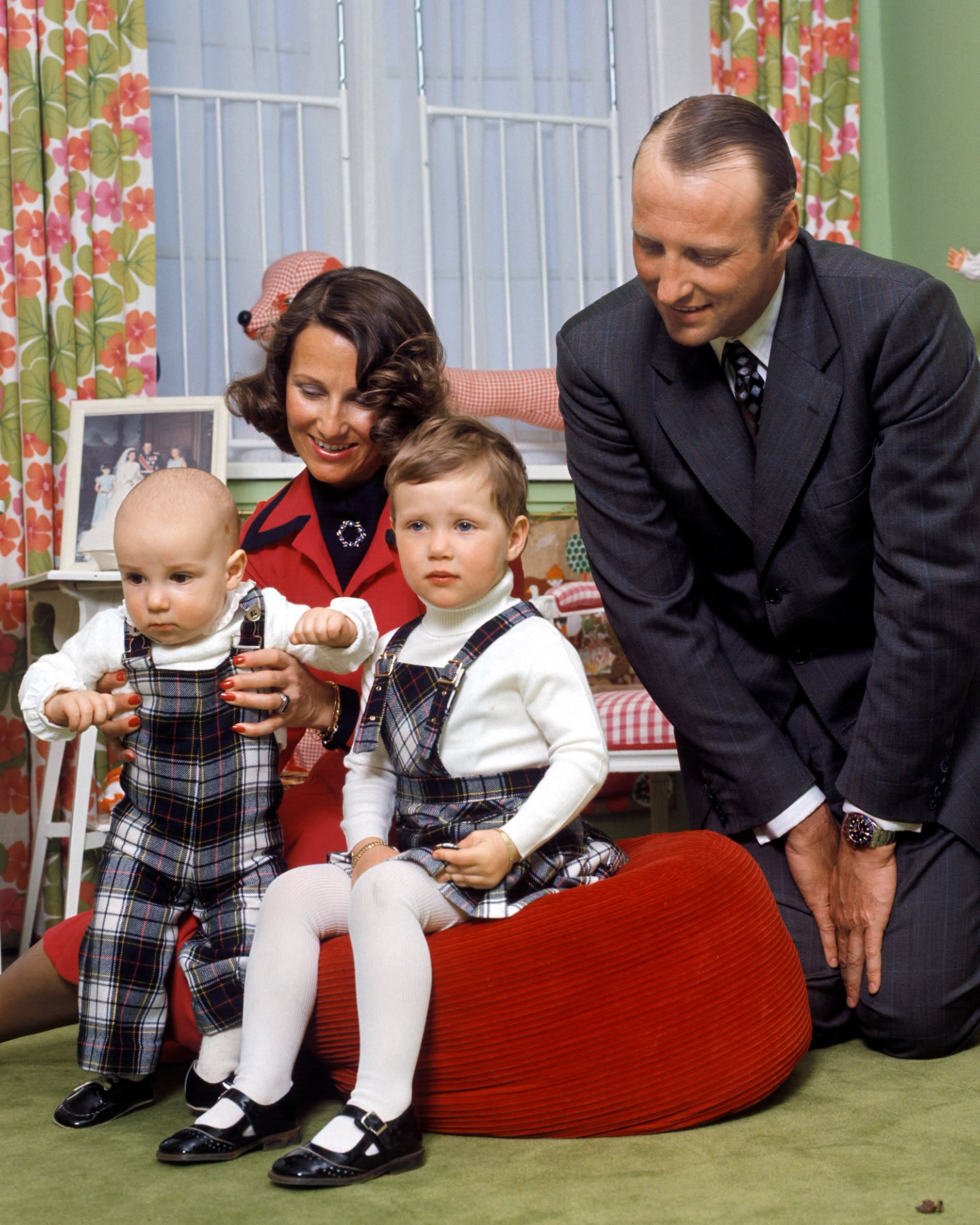
Queen Sonja and King Harald V met when they were both 22, but she was the daughter of a clothing merchant, with no royal associations or titles. Their relationship prompted controversy, and the couple was forced to wait five years before they could marry, when late King Olav V granted them permission.
Harald famously told his father that if he could not marry Sonja, he would remain single for life.
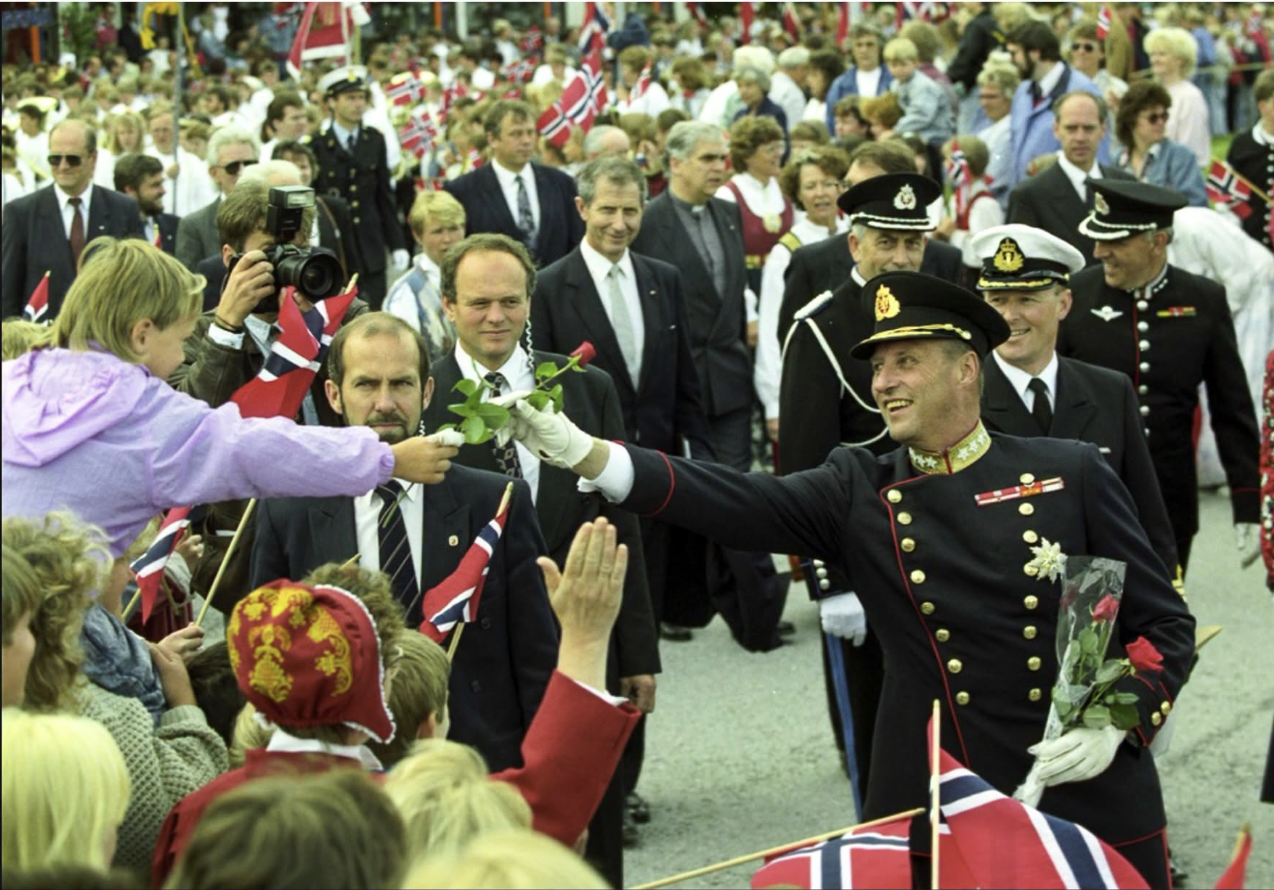
Sarah Mirsini Hjorthol, another Sykkylven resident, recalled seeing the late King and Queen Sonja when she was young.
“[I] was in first or second grade, and King Harald and Queen Sonja came to our small town on a tour of Norway they were doing. We were all so excited to meet them, and to this day I still remember the feeling of warmth and care they gave to every single person.”
Sarah also recalled the late King as “one of the people”, fondly remembering his humour that reminded her of her own grandfathers’.
“We lost a very special piece of our little country, but I have faith that King Haakon will honour his father’s legacy.”
Featured image: Kongehuset via Facebook.