
Glasgow, Scotland – UK Prime Minister Andy Burnham has said that his government would not support referendums for Scotland and Northern Ireland to leave the union, drawing ire from pro-independence politicians in both nations.
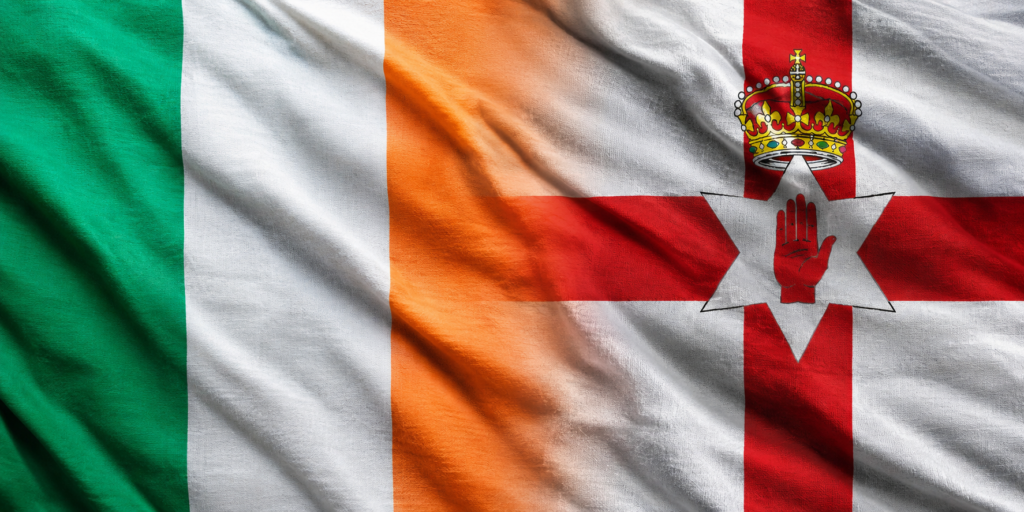
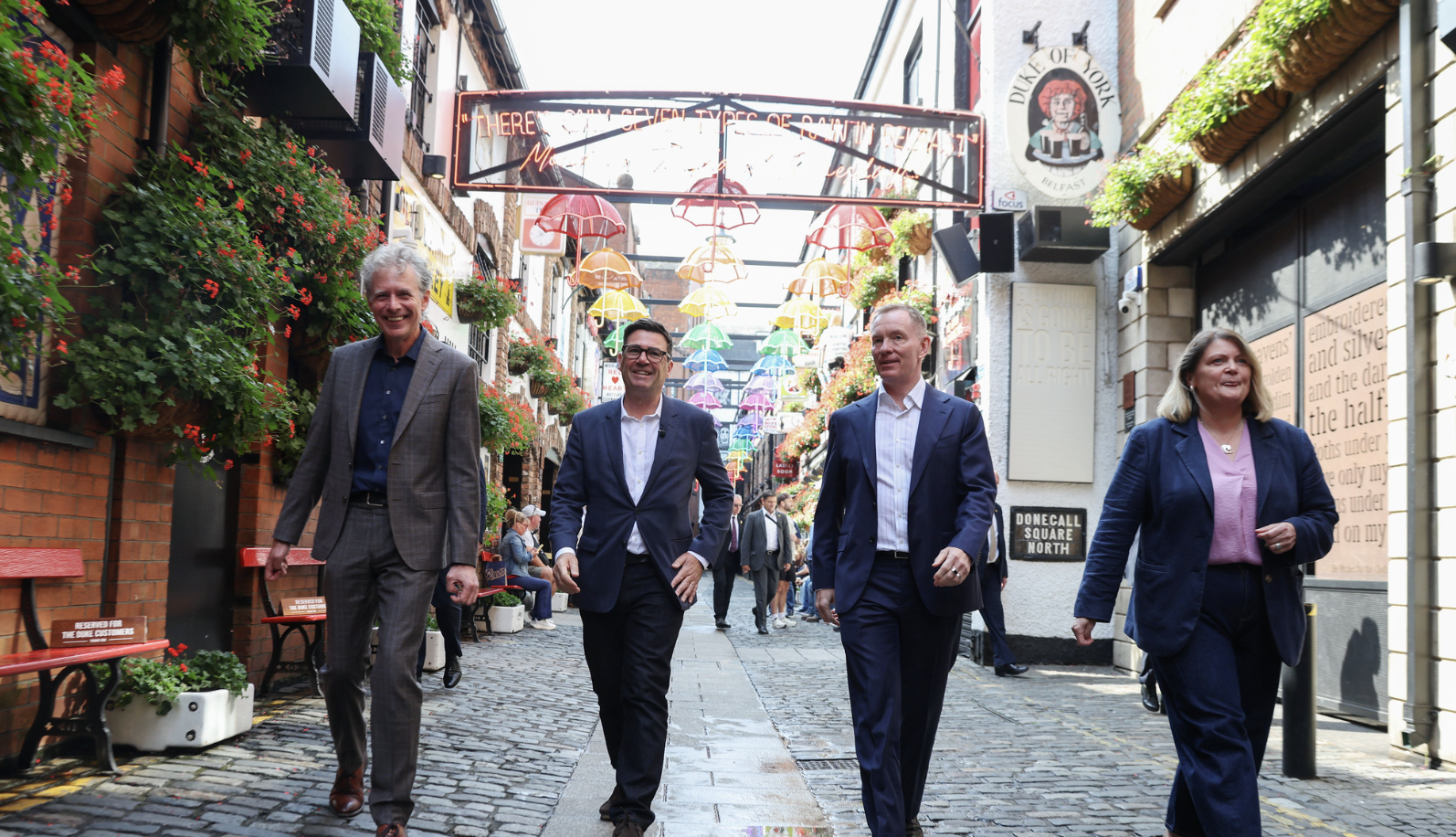
During his first official visit to Northern Ireland on August 27, Burnham said that a referendum on a united Ireland would be “off the table,” calling instead for a focus on public services and addressing the cost of living.
He argues that the rifts caused by votes such as the Brexit and Scottish Independence referendums in 2016 and 2014, respectively, take a long time to heal.
Burnham met with First Minister Michelle O’Neill and Sinn Fein leader Mary Lou McDonald following these comments.
McDonald described the Prime Minister’s comments as “totally unacceptable,” saying that “sticking his head in the sand is not a strategy.”
“If the British Prime Minister really wants to learn the lessons from their disastrous Brexit referendum, then the responsible thing to do is to prepare for the possibility of constitutional change in Ireland so that change when it comes, is planned, orderly and inclusive,” she added.
O’Neill also challenged Burnham’s comments, stating that “The future of Ireland is for the people of this island to decide, and for the people of this island alone. It is not the right of any British Prime Minister to deny our people’s right to self-determination.”
The Good Friday Agreement of 1998 states that the Secretary of State for Northern Ireland must call a referendum “if at any time it appears likely to him that a majority of those voting would express a wish that Northern Ireland should cease to be part of the United Kingdom and form part of a united Ireland.”
If a majority of people in the Republic of Ireland also vote in favour of reunification, both the UK and Irish government would be obliged to make it happen.
Since the elections on May 7, Scotland, Wales, and Northern Ireland are all governed by political parties who favour leaving the United Kingdom.
In July, Burnham said that he would oppose a second referendum on Scottish independence, despite a record number of pro-independence Members of the Scottish Parliament (MSPs) being elected in May.
Under the current constitutional system, the UK government must grant the Scottish Parliament permission to hold such a referendum.
Despite Burnham’s opposition, the Scottish government has just published a draft bill setting out the referendum question and eligible electorate for a vote on independence.
First Minister John Swinney stated: “What is now needed is the UK Government to respect the voice of the Scottish people and parliament and transfer the necessary powers.”
Although Scotland previously held an independence referendum in 2014 which produced a “No” result, Swinney said that “the world has fundamentally changed since 2014.”
“While people living in the UK endure flatlining living standards and the economic damage caused by Brexit, countries all around us are enjoying a higher quality of life and have more wealth to invest in their public services – often without a fraction of the abundant resources and economic strengths that Scotland enjoys,” he stated.
Burnham similarly ruled out support for a Welsh independence referendum at the beginning of his premiership. Although the ruling Plaid Cymru party supports independence, they have said that they will not pursue a referendum in their current four-year term.
However, Welsh First Minister Rhun ap Iorwerth has advocated for further devolved powers in areas including policing, justice, the Crown Estates, and rail. Burnham has expressed openness to further devolution.
Burnham is planning a summit with the leaders of Wales, Scotland, and Northern Ireland to discuss how to boost the UK economy this autumn.
Featured image: Prime Minister Andy Burnham and Chris Bryant, Secretary of State for Northern Ireland walk through commercial court as they visit Belfast.
Author: Simon Dawson / No 10 Downing Street
Source: Number 10 via Flickr
Creative Commons Licenses