

Glasgow, Scotland – Nearly 10,000 migrants remain in the Spanish autonomous city of Ceuta in Northern Africa, after tens of thousands crossed into the territory from neighbouring Morocco, and aid workers say the humanitarian situation there remains dire.
No Name Kitchen (NNK) is an aid organisation that has been operating in Ceuta since 2021, and is on the frontline of the recent border crisis. Members based in the enclave recently hosted an online briefing outlining the situation on the ground after three weeks and the challenges that they face supporting people on the move.
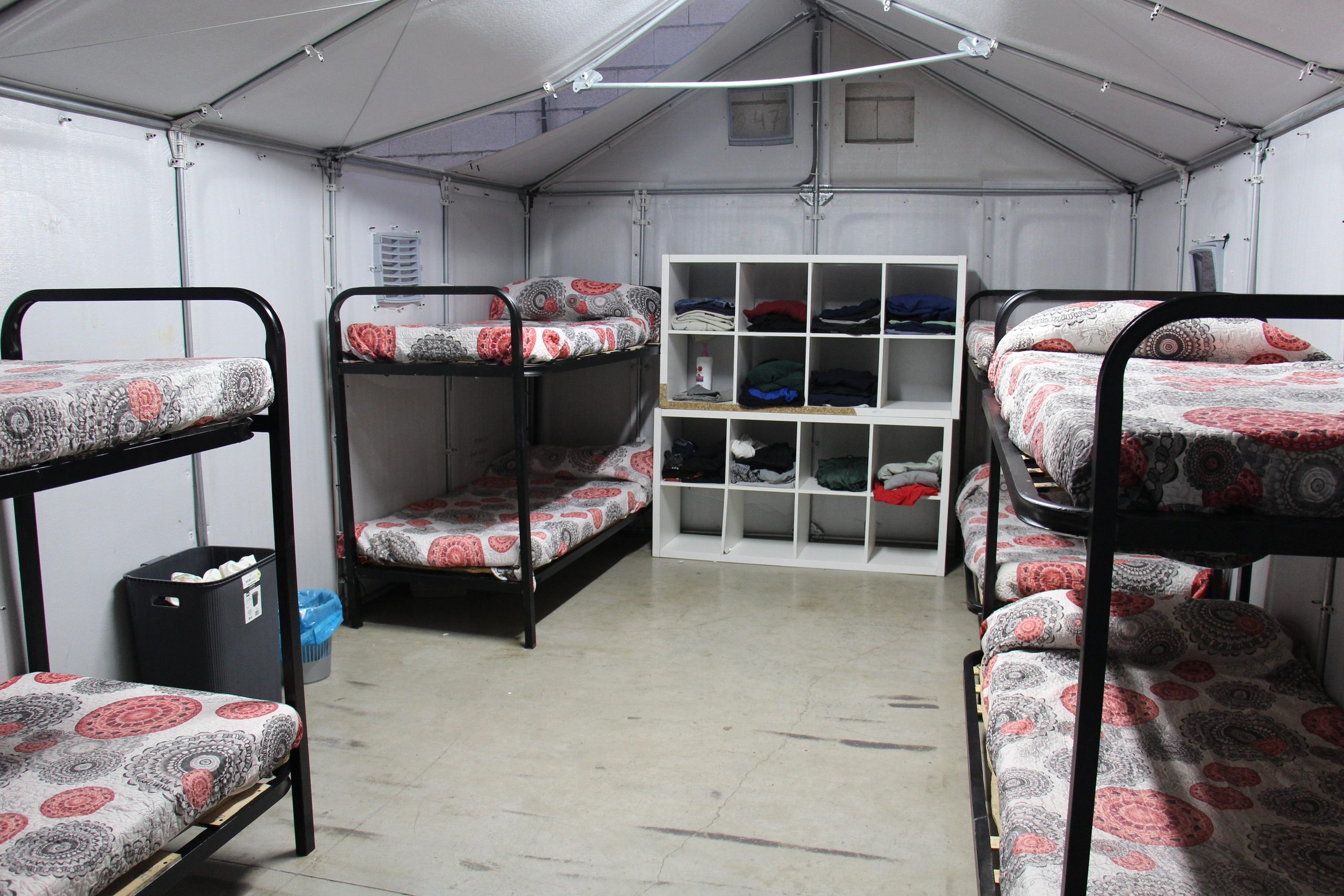
Those who remain are staying in makeshift shelters, on beaches, outside the migrant reception centre (CETI) and hiding from authorities in the forests and mountains.
NNK coordinator and spokesperson Ric Fernandez estimated that the organisation gives out close to a thousand rations each day, which can include food, clothing, and medicine. Their four-person team operating in Ceuta for the past six years has now scaled up to twenty people.
Fernandez described NNK’s operations in Ceuta as “distribution teams, teams gathering testimonies and evidence, documentation and comms, psychologists to hold the emotional weight of it all, and a medical team doing frontline field care.”
They work closely with organisations such as Border Resistance and Asociación Elin, and report that many local community associations, as well as the Cruz Blanca and Luna Blanca organisations, have stepped in to provide support.
“We coordinate tightly with some groups, less so with others, but there’s a real thread of solidarity running through all of it,” Fernandez explained to EU Reports.
However, Francesca, NNK’s field operations supporter, said that the current support provided through these efforts is still not enough for the huge number of people staying in Ceuta.
Although NNK have been meeting with various government ministries, from the national government to the municipality of Ceuta, Francesca said that they’ve been seeing a lack of coordination and communication between the different departments.
She also criticised the Spanish government’s response through “increased police and military presence,” claiming that there has been an “exponential increase” in police brutality against migrants and activists supporting them.
Part of NNK’s work involves documenting migrant experiences of state violence by gathering testimonies and evidence. They claim to have collected over 150 testimonies of people who suffered assaults at the hands of the military and the national police.
“From day one, Spanish authorities have run a strategy of pushing people straight to the border to fake ‘voluntary returns’ that were anything but voluntary,” said Fernandez. “Zero due process, zero interest in why anyone actually crossed.”
Alba, NNK’s legal focal point, stressed that their volunteers are trying to document whatever information they can about police brutality, as this can affect asylum proceedings. NNK is currently working to accompany people through the asylum application process, connect them with public lawyers, and appeal asylum decisions to prevent accelerated expulsions.
The Spanish Supreme Court ruled in June that Spain cannot deport people who enter Ceuta by sea without due process. Spain has now installed a 500 metre barrier along its sea border with Morocco to prevent further crossings.
Ame, who coordinates NNK’s health services, said that the majority of people who they encounter are wounded and in need of medical attention. These injuries can come from the dangerous sea crossing from Morocco, and the poor living conditions once in Ceuta, but also police violence.
She added that for people who entered illegally, there’s no easy access to medics or treatment which makes it difficult for their health condition to improve. People have to wait for hours in front of hospitals, and will often be refused entry by the police or military. NNK have to refill their medical supplies every day, and on some occasions have to stop treating people when supplies run out.
Ame pointed out that these experiences also have a profound impact on mental as well as physical health, so NNK also attempts to connect people with psychological support.
When reached out for comment, the Spanish Ministry of the Interior told EU Reports via email that the actions of its agents are always governed by principles of legality, proportionality and efficiency.
“There is no record of acts of violence against the migrants remaining in Ceuta; such acts are never tolerated and would invariably have been addressed,” the Interior Ministry added.
No Name Kitchen is currently fundraising to support their ongoing humanitarian operations in Ceuta.
Editorial note: The author attended a No Name Kitchen webinar where members talked about their experiences.
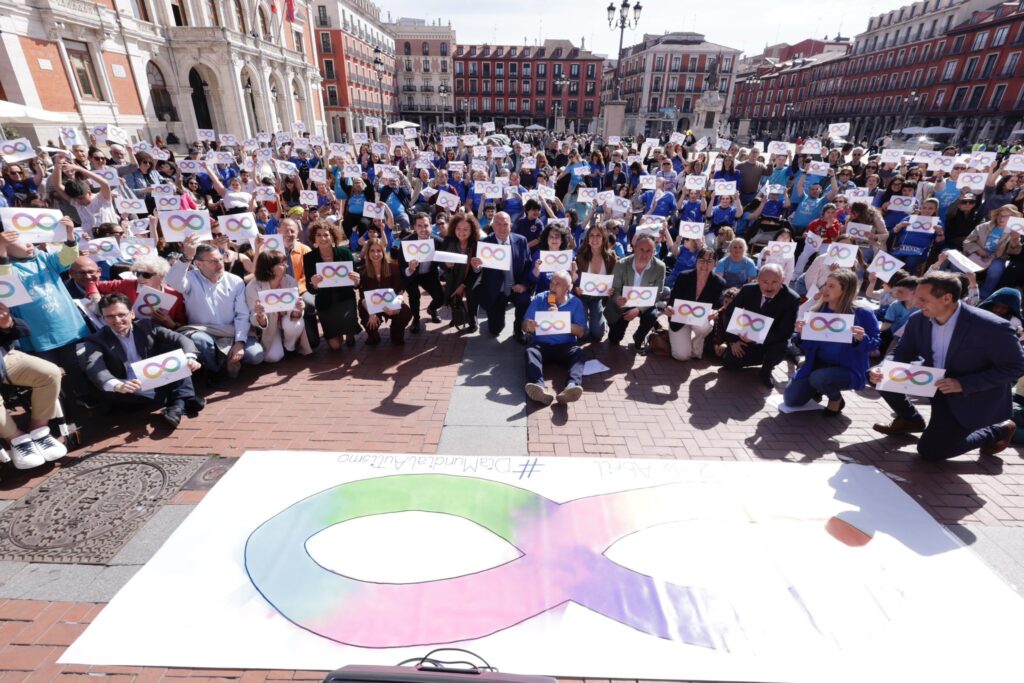
Featured image: Amnistía Internacional España via X.