
Europe’s heatwaves are exposing deep weaknesses inside overcrowded prisons across France, Italy and Belgium during another severe summer.
Temperatures above 37 degrees Celsius have intensified pressure inside packed cells, where ventilation remains limited and cooling systems remain rare.
Reuters journalists visited jails in all three countries in July, and spoke with over 40 people, including inmates, activists, prison directors, doctors and union representatives, many of whom described conditions within as a slow-building crisis rather than a one-off emergency.
Ageing infrastructure compounds the problem: single-glazed windows, cramped cell sizes, and buildings never designed to withstand this kind of heat leave prison staff improvising fixes on the fly. Authorities, meanwhile, have expanded showers, drinking water, fans and other relief measures, but overcrowding keeps turning extreme heat into a wider prison crisis.
France’s overcrowding crisis
France faces some of the strongest pressure as Europe’s heatwaves stretch a prison system already operating far above capacity.
Government figures put French prisons at 141.3% occupancy on July 1, with inmates often sharing cells built for fewer people. As Dominique Simonnot, France’s chief prison inspector, put it: some detainees live three or four to a nine-square-metre cell, in buildings that are “not adapted, not air conditioned, old,” leaving little space to escape the heat or improve airflow.
At Orleans-Saran prison, one of the country’s newer facilities, inmates used wet towels around window bars and reduced movement to cope with temperature spikes. “You have to deal with it mentally,” 29-year-old inmate Manu told newspaper Daily Sabah.
Europe’s heatwaves also generated a surge of complaints to France’s independent prison inspector during another severe spell in June. The inspector’s office hired an extra employee solely to handle calls as prisoners reported suffocating conditions, poor ventilation, and extreme indoor temperatures.
Authorities responded by increasing water access, extra showers, and sun cream supplies across prisons during the hottest periods. However, officials acknowledged that overcrowding makes Europe’s heatwaves harder to manage and worsens conditions inside older and crowded buildings.
A separate Limoges incident raised concern after an inmate suffered a head injury during a heat-related episode in July.
Italy and Belgium face similar pressure
Prison rights group Antigone put Italian occupancy at 139.7% in late July, as the heatwaves increased pressure on already-crowded institutions. The group organised coordinated visits to 34 prisons, highlighting shortages of fans, refrigerators, ventilation, and adequate personal space.
“It’s absurd that there are no refrigerators in cells, it’s absurd that there aren’t fans everywhere,” Antigone head Patrizio Fonnella said outside Rome’s Regina Coeli prison. Italy’s Justice Ministry allocated €800,000 for cooling equipment and promised 10,000 extra prison spaces, though ministry data shows none had opened as of the report.
Lawmakers also passed a law in July allowing prisoners with drug and alcohol additions to serve sentences at home while undergoing rehabilitation, to help ease the overcrowding. In the southern city of Consenza, authorities removed perplex window screens, installed in 2021 to stop drone deliveries of banned items, after the national prisoners’ rights guarantor raised concerns that the screens were blocking ventilation.
The heatwaves have thus pushed Italian officials toward immediate cooling measures while exposing longer-term problems with prison design capacity.
In Belgium, prison occupancy was reported at 121% in August, with older facilities facing additional strain as Europe’s heatwaves raised indoor temperatures. Ghent prison, for example, housed 447 inmates despite capacity for 260, while directors reported more fights and confrontations during extreme heat.
Prison managers expanded ventilation measures, but Europe’s heatwaves continue exposing ageing buildings, overcrowding, and serious health risks across European prisons.
A structural problem
Across all three countries, officials and rights groups point to the same underlying tension: emergency measures like extra showers, fans, and water can ease the worst of the heatwave, but they don’t address overcrowding or ageing infrastructure driving the crisis.
As Belgium’s Mekplas prison director, Serge Rooman, told Reuters, the fundamental problems are buildings themselves; single-glazed windows, poor ventilation, and structures never designed for the temperatures they now face.
With European summers trending hotter and prison populations still climbing in all three countries, the gap between short-term relief and long-term capacity looks set to widen rather than close.
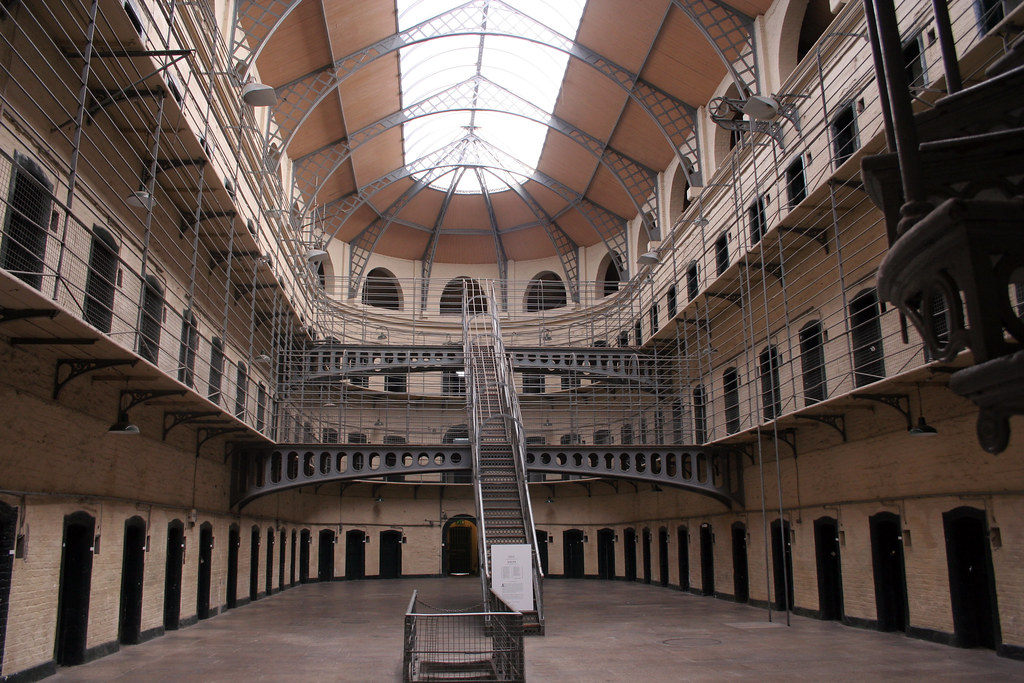
Featured image: Main Cell block, Dublin Prisons.
Author: Tony Hisgett
Source: Flickr
Creative Commons Licenses