
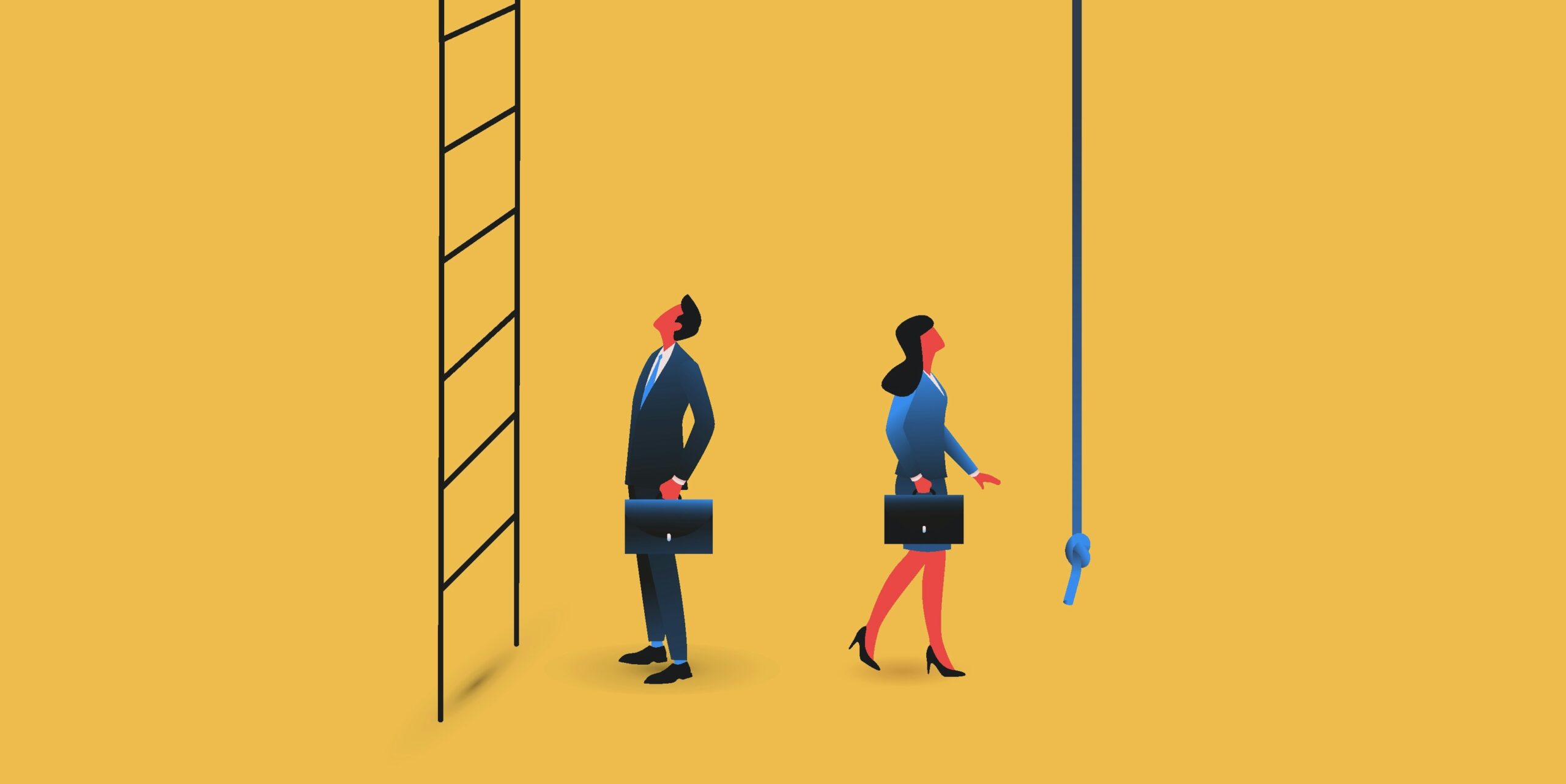

Brussels, Belgium — According to the EU’s latest gender-based violence survey, women would have had to work, on average, 15 months and 18 days to earn the same as their male counterparts in 2025.
Even though the gender pay gap may look like a percentage – currently set at 11% in the EU – it actively shapes everything from a woman’s pension to her financial independence.
In a more technical sense, “pay gap” corresponds to the difference in average gross hourly earnings between women and men. However, the gender pay gap is broader than hourly earnings alone.
“In the Gender Equality Index, we look at annual earnings, not just hourly pay, but how income adds up over a full year. When you take accumulation into account, the gender pay gap reaches 30%,” noted Jolanta Reingarde, Senior Analyst and Researcher at the European Institute for Gender Equality (EIGE) while in conversation with EU Reports.
“In practical terms, this means that on average women earn 70% of men’s annual income,” she stressed.
Why women still earn less
The European Council reported four primary reasons for the persistent gap: a gender imbalance in leadership roles, part-time work, job segregation, and career interruptions.
In 2018, 91% of career breaks due to childcare were taken by women – interruptions that can hinder career development. Similarly, women also occupy 76% of all jobs in health, social work, and education sectors, which are usually lower paid.
Conversely, men hold 64% of managerial roles in the EU, which are linked to higher remuneration. And, while part-time work for men is relatively low (44%), only a small share of them (6%) take care of adults with disabilities or children.
The analyst, additionally, highlighted another underlying factor for this difference: the tendency for men to “ask for more.” Women are a bit more “modest and shy” with regard to salary negotiations.
Echoing this statement, Leah Zimmerer, a finance researcher at the University of Mannheim, noted that men “are more likely to receive bonuses in comparison to women,” attributing this to differences in negotiation behaviour.
The gap persists in Europe
Even in 21st-century “equal” Europe, and despite decades of policy efforts, the gender pay gap has not disappeared.
Gender stereotypes, Zimmer noted, are one of the reasons for this underlying issue. “If you go to a playground for children, you’ll see that boys are allowed to climb up and do whatever they want. Girls, on the other hand, are more closely watched, and parents would be more hesitant with them.”
This, she continued, begins in early childhood and carries into later life. “Social norms are very sticky, and it takes some time to change them,” the scholar added.
At the Master’s program in management at the university where she works, “we have roughly 50/50 female and male students.” But, as students specialise, fewer women enter finance tracks – reflecting persistent perceptions of math as a male domain, and marketing as a female-coded field.
The motherhood penalty and the fatherhood bonus
Becoming a parent also affects women’s and men’s careers in very different ways: while mothers often face a wage penalty and struggle to return to work, fathers are frequently rewarded.
Reingarde explained that, compared with normal employment rates, the number of working women decreases after giving birth. Meanwhile the prevalence of men at work increases following childbirth.
In 2023, 44% of employed women aged 15-89 were in full-time employment, compared with 59% of men. When specific family situations are taken into consideration, however, the data becomes even more striking.
For the same year, 92% of fathers were working full-time, compared with 67% of mothers. This disparity is also reflected in the annual earnings gender pay gap – and pension outcomes.
“This might discourage young women from motherhood, but we want to create conditions that would be favourable for mothers,” added Reingarde.
Is pay transparency the way to change the gender pay gap?
A new rule on the EU Pay Transparency Directive will come into effect on June 7, 2026, aiming to promote equal pay through greater wage transparency – requiring companies to report average pay levels for employees in similar roles rather than individual salaries, according to The Brussels Times.
Employees won’t be able to directly compare their salaries to those of their colleagues; instead, they will look at the overall picture of salary distribution, which in turn protects privacy while highlighting differences.
For Reingarde, pay transparency removes the stigma from talking about salaries:
“There has to be a pay range indicated in the job description,” she explained. “You shouldn’t be asked about your pay history. It doesn’t matter how much you earned before,” she said.
Reingarde also noted that large companies would be required to report on their pay gaps publicly.
For Zimmerer, the pay transparency directive brings hope to shrinking the gap – “if implemented the right way.”
Family-friendly policies
Reingarde signaled the goal is not to discourage young women from having children. Instead, she emphasized that more family-friendly policies, which alleviate childcare burdens, are imperative.
Similarly, the EIGE found that nations with better care infrastructure and more equitable sharing of responsibilities have higher rates of employment, greater gender equality, stronger economic outcomes, and greater resilience through crises.
The analyst noted that more companies should be encouraged to implement more flexible work arrangements – not just directed towards mothers but towards all parents. The narrative towards whose responsibility it is to provide care should thus gradually shift.
Lessons from Luxembourg
According to the European Council, Luxembourg is the only country with a gender pay gap lower than 1%.
“Luxembourg has a really strong legal framework,” explained Reingarde, as there are penalties for non-compliance.
While sanctions are one side of the issue, the government has also started running a program that incentivizes companies to provide equal pay to their employees. “The government is certifying them, and they receive advantages in public procurement, for example,” stressed Reingarde.
Education, meanwhile, plays a fundamental role in closing the gap. “In Luxembourg, there are many highly educated women,” she said. “The gender pay gap is so low because women are working in highly paid sectors.”