

Brussels, Belgium – EU policymakers banned “meaty” names of plant-based products under the revision of the Common Market Organisation (CMO) market regulation on March 5, 2026,
Lawmakers decided to limit the use of 31 words, including animal-related terms such as ‘chicken’, ‘beef’, and ‘pork’, while also removing terms like ‘breast’, ‘thigh’, and ‘drumstick’. Meat-related names “shall be reserved for meat products only, therefore they cannot be used for products that do not contain meat,” as per the European Council.
While these denominations will be restricted, words such as burger, nugget, and sausage will not be prohibited. In a statement, global nonprofit ProVeg International, which works to reduce animal consumption and promote plant-based foods, said that this meant “restrictions focus mainly on animal-species names and meat-cut terminology.”
These rules are part of a broader European goal to position farmers higher in food supply markets. Céline Imart, a French centre-right MEP and a cereal farmer, told Euronews that the agreement “recognises the value of livestock farmers’ work and protects their products.”
Legislators agreed on a three-year transition period to allow farmers to sell their stock and adapt to the new regulations. The agreement is yet to be formally adopted, and has to pass through the final stages of the legislative process, leaving room for potential last-minute changes.
Are consumers confused when making their choices?
Supporters argue the ban is necessary to prevent consumers from being misled. Yet, as signaled by Alex Holst, deputy head of policy at the non-profit think tank The Good Food Institute, while in conversation with EU Reports, there have been surveys that “made it clear” that Europeans want to “continue using everyday language for plant-based food.”
Over 90% of EU consumers can distinguish between plant-based and animal-based products, and around 80% support the use of familiar terms, wrote ProVeg in their statement.
“There is no evidence of widespread consumer confusion where products are clearly labelled as plant-based or vegan,” said Jasmijn de Boo, Global CEO of ProVeg International.
“Removing familiar terms does not improve transparency; it reduces clarity and increases friction at the point of purchase.”
Advocates of alternative proteins also argue that eating habits need to be shifted toward more plant-rich diets.
“We should therefore facilitate access to plant-based alternatives to animal products, rather than imposing unnecessary restrictions, as there is little evidence of consumer confusion,” noted Francesca Gallelli, food systems policy officer at the World Federation for Animals.
Is the EU’s competitiveness threatened?
Another argument made by Holst is that this move is set to “threaten the bloc’s economic competitiveness.”
He referred to recent research by the consultancy Systemiq, supported by The Good Food Institute, which estimates that scaling alternative proteins could generate €111 billion in annual economic value in the EU by 2040.
According to Holst, restricting commonly used food terms, including those for cultivated meat products that have not yet entered the market, could create barriers for innovation and slow the development of the sector.
The discussion over naming rules reflects a wider debate within the EU, focusing on how to balance support for livestock farmers with the current growth of plant-based alternatives.
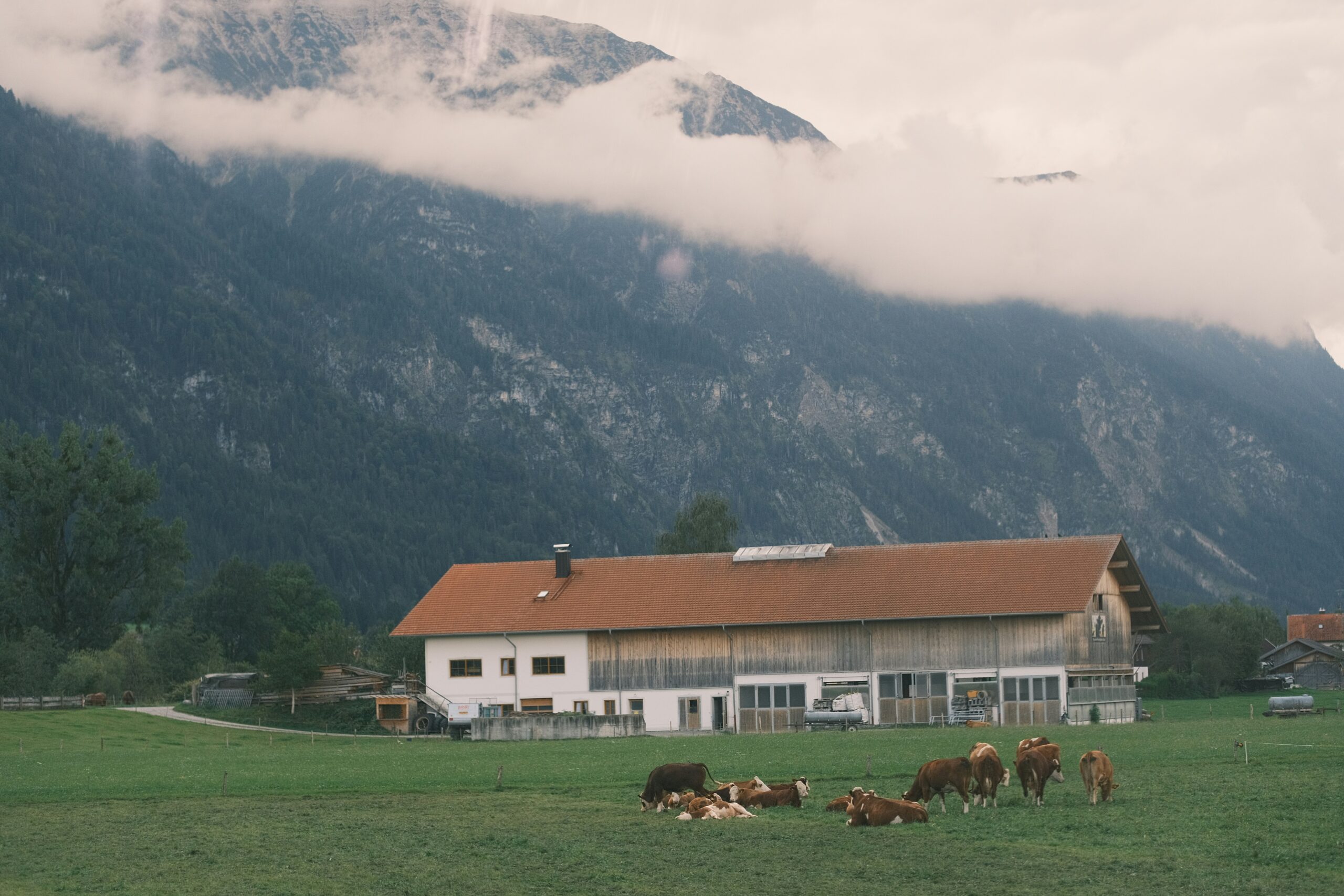
Featured image: Nk Ni via Unsplash+