

At a time when much of the global economy is grappling with slowing growth, fragile labor markets, and geopolitical uncertainty, India is emerging as an unexpected counterweight. The country recorded an 8.2% GDP expansion in the most recent quarter—an outlier in an otherwise cautious global outlook—and is increasingly positioning itself as a stabilizing force in international economic relations.
This momentum took center stage at the Horasis India Meeting, held this week at the Global School Foundation campus. The two-day forum convened more than 250 leaders from government, industry, and innovation to examine how India’s economic ascent could reshape global trade, technology, and cooperation.
The opening plenary, chaired by Atul Temurnikar, Co-Founder of the Global School Foundation, highlighted the structural drivers behind India’s growth: resilient consumer demand, expanding manufacturing capacity, a competitive services sector, and one of the world’s youngest and fastest-growing workforces. Panelists—including Murali Krishna Gannamani, CEO and Managing Director of Fluentgrid; leadership expert Shiv Khera; Royal Phuket Marina Chairman Gulu Lalvani; and BJP spokesperson Shweta Shalini—framed India’s trajectory as both an economic and geopolitical opportunity.
Rather than focusing solely on domestic performance, discussions emphasized how India could translate scale into shared prosperity. Central questions included the role of international partnerships, the sustainability of growth, and India’s capacity to act as a reliable partner in a fragmented global economy.
Horasis Chairman Dr. Frank-Jürgen Richter underscored this broader responsibility. “India’s rise is not only about scale,” he said. “It is about confidence, capability, and a profound sense of global responsibility. It is about offering new pathways for growth—and new ideas for how nations can prosper while remaining open, connected, and cooperative.”
Such openness is becoming increasingly valuable. As artificial intelligence accelerates industrial change and supply chains continue to realign, India has attracted substantial long-term investment. Amazon and Microsoft alone have committed a combined $52.5 billion over the next five years, reinforcing India’s manufacturing ecosystem and strengthening its role in global digital infrastructure.
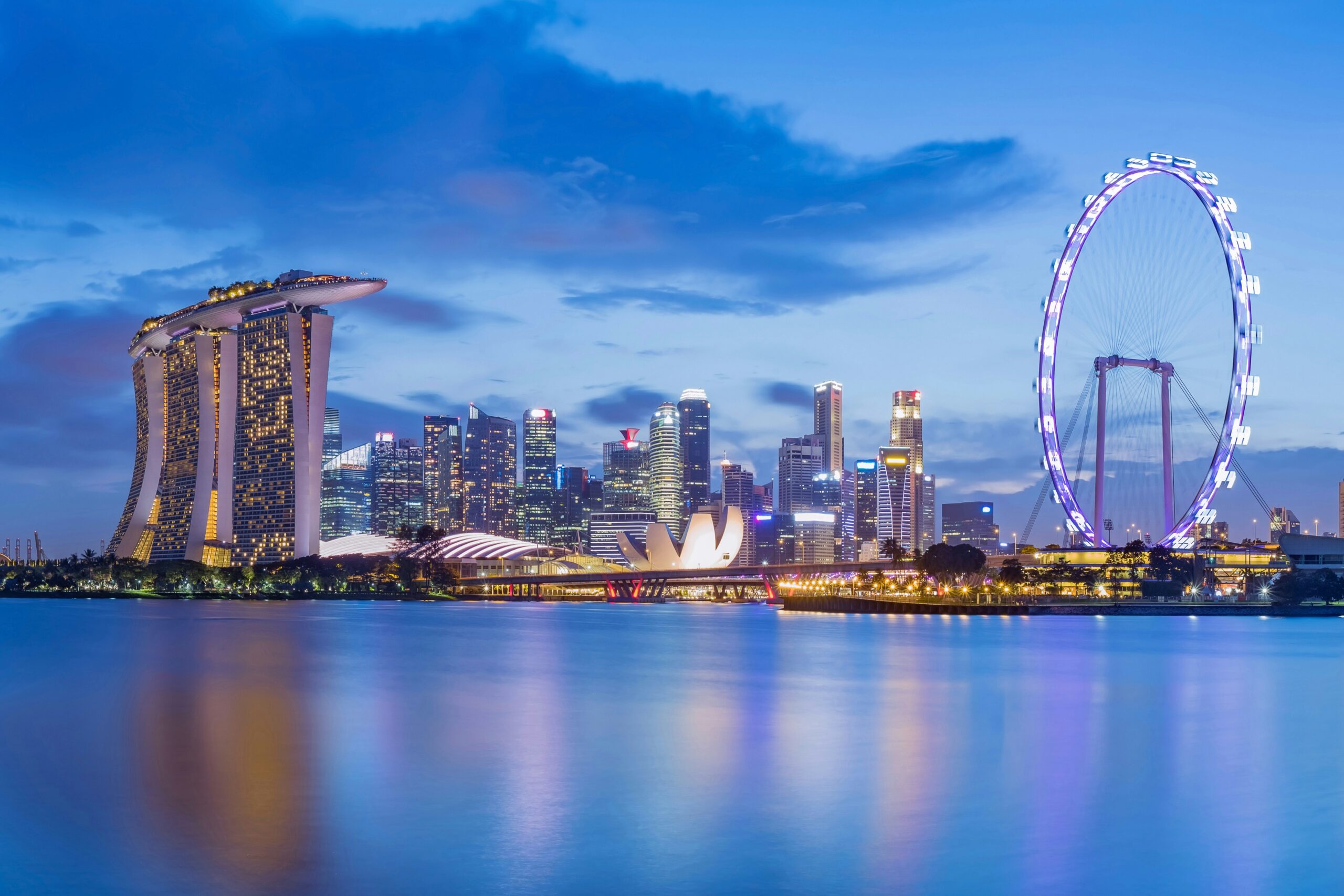
These dynamics frame the significance of the Horasis India Meeting, which will continue on December 15–16, 2025, in Singapore. Hosted alongside the Confederation of Indian Industry (CII) and Global Schools Group (GSG), the event reflects Singapore’s position as a strategic bridge between India and Southeast Asia—particularly relevant for European stakeholders seeking diversified partnerships beyond traditional markets.
As global alliances evolve, India’s ability to balance rapid growth with inclusivity and cooperation may prove decisive. For Europe and its partners, India is no longer just a high-growth market, but an increasingly central actor in shaping a more resilient global economic order.