
Ukraine is set to move forwards in its bid for accession to the EU, with negotiations to open on the key policy areas—termed clusters—of internal market and competitiveness standards, after Hungary dropped its veto.
The veto was lifted on Tuesday, October 13, when Hungary agreed to join the other 26 EU member states in a unanimous vote in favour of these clusters being opened, following an EU–Ukraine intergovernmental conference in Luxembourg.
Ukraine has been pursuing membership of the EU since 2022, having made its initial bid shortly after Russia’s full-scale invasion. However, Hungary’s approval had been a key stumbling block in this process.
Former Hungarian Prime Minister Viktor Orbán was seen as one of the few European leaders still close to Russian President Vladimir Putin, and had been a vocal opponent of Ukraine joining the EU. Hungary had continued to block support for Ukraine and sanctions against Russia whilst Orbán remained in office.
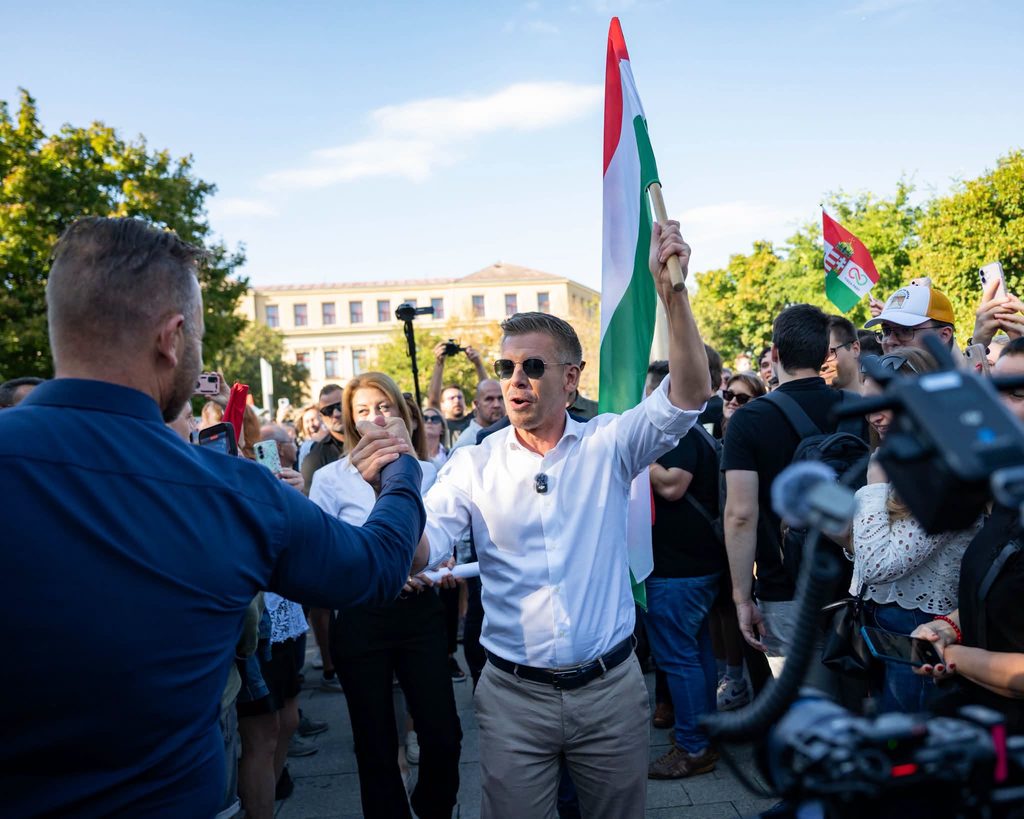
Orbán was voted out from power in April, after rival Péter Magyar won in a landslide at the country’s parliamentary elections.
Read more: Orbán loses landmark elections in Hungary
However, there remained questions over how far this would signal a shift in Hungary’s policy towards Ukraine. The prospect of Hungary becoming more heavily involved in the Russia-Ukraine war had been a key talking point in the elections, as Orbán warned voters that Magyar’s aims of closer alignment with Europe would drag Hungary into war.
As a result, Magyar had appeared reticent on the question of whether Ukraine should be given EU membership and had rejected any notion of its application being fast tracked.
Several initial clusters were nevertheless opened over June and July, namely those around the fundamentals of any possible membership, as well as questions around external relations.
These latest clusters have now also been approved following a key deal between Ukraine and Hungary, in which Ukraine’s parliament, Verkhovna Rada, reaffirmed legislation on minority rights in Ukraine. This issue had been part of a year’s long dispute between Hungary and Ukraine, after Orbán had accused Ukraine of not doing enough to protect its Hungarian minority.
There are around 100,000 ethnic Hungarians living in Ukraine’s Transcarpathia region, located in the country’s west in the foothills of the Carpathian Mountains, and Budapest had made it clear that any further progress for Ukraine would be conditional on there being greater protections for the use of minority languages in schools and other cultural spaces.
Magyar had argued that the Ukrainian government had not done enough to implement changes in line with the agreements it had already committed to when the first clusters were opened back in June.
This had threatened to be a sticking point between the two countries, with Ukrainian Foreign Minister Andrii Sybiha having compared Magyar’s stance to that of Orbán. However, the Verkhovna Rada voted to accept new minority rights legislation on October 12, with 266 out of 450 members voting in favour. Ukrainian President Volodymyr Zelenskyy then signed the bill into law later the same day.
Magyar welcomed the news, stating on social media that Ukraine’s new education law “will make it significantly easier for Hungarian children in Transcarpathia to use their mother tongue.”
The new law will give ethnic Hungarians, other EU language speakers and Indigenous peoples more scope to use their first languages within Ukrainian schools, with the exception of Russian, which the Ukrainian government has attempted to push out of official use since the start of the war.
The opening of these clusters now allows for the progression of Ukraine’s accession negotiations, as well as those of Moldova, as Moldova’s bid for membership had been tied to that of Ukraine, as per the EU’s rules around the handling of separate applications for countries from the same region.
Read more: Moldova votes to leave post-Soviet Commonwealth of Independent States
Two remaining clusters are yet to be considered. Hungary still retains the ability to veto either, as well as any final treaty on Ukrainian and Moldovan membership, as do all EU member states.
Zelenskyy took to social media shortly after the opening of these current clusters, expressing his thanks both to EU leaders and to all member states, as well as his hope that further accession negotiations will proceed smoothly.
“I am deeply grateful to everyone who fights for Ukraine and works in the interests of our state, for its European future, and for Europe’s security,” the Ukrainian president stated.
“Together, we are a stronger Europe. It is important that all of us build on this momentum to open the remaining two clusters by the end of the year so that all six negotiating clusters are opened. Ukraine deserves this.”
Orbán, however, has condemned attempts to allow Ukraine into the EU whilst the war with Russia is still ongoing, stating that “the Russia-Ukraine war is not Hungary’s war.”
“Our strength was our neutrality. We refused to pick sides and kept Hungary out of the conflict. Today, that neutrality is gone. The Tisza government has chosen a side and risks dragging Hungary deeper into a war on our doorstep,” he said.
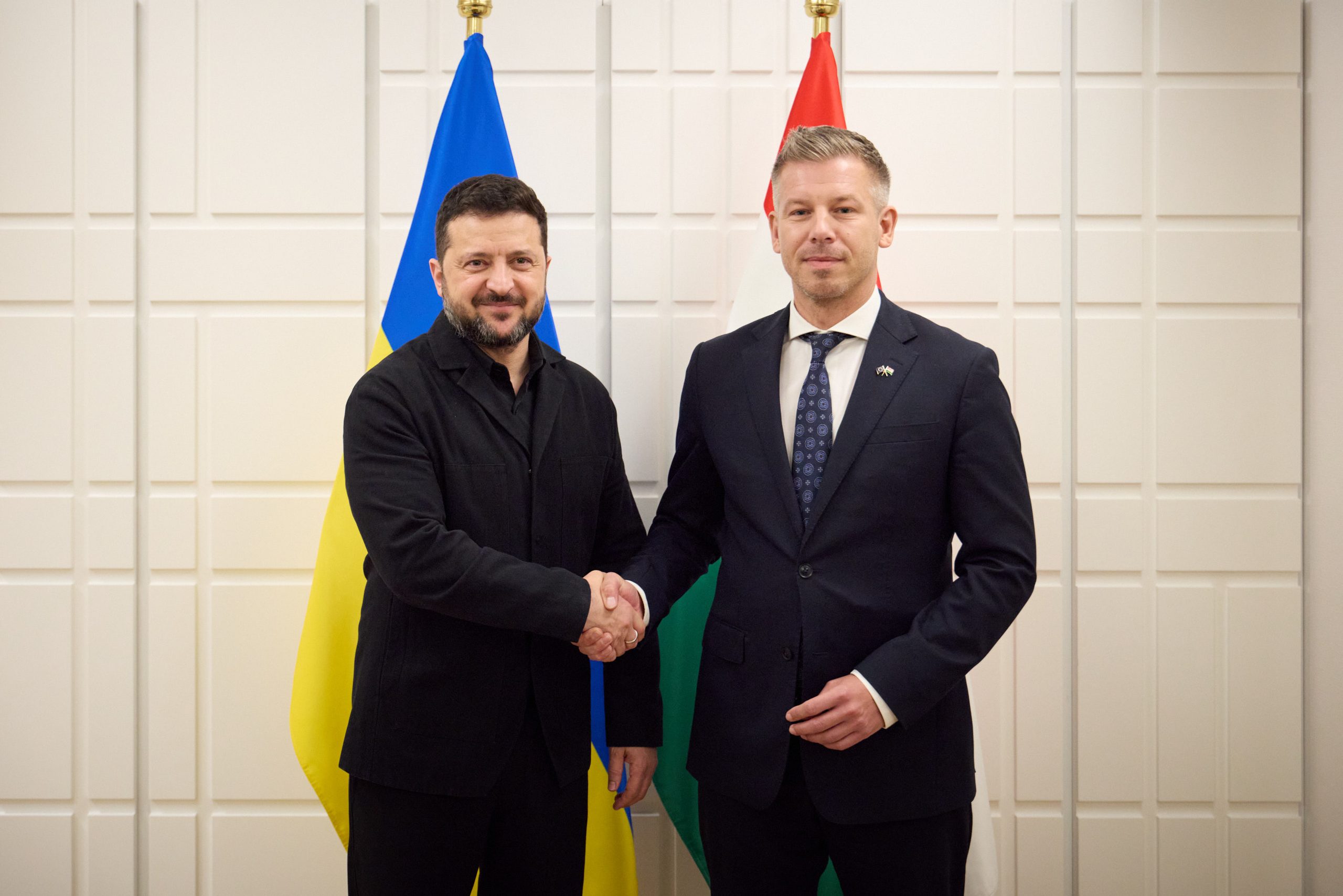
Zelenskyy and Magyar met for their first official bilateral meeting on Friday, October 16, at the EU summit in Brussels, where they discussed the deal that had been reached between the two countries and the new protections for minorities in Ukraine.
Magyar also expressed his solidarity with Ukraine “in the face of inhumane Russian aggression.” Zelenskyy added on X that he had expressed his gratitude for Magyar’s support, and that they had also discussed further opportunities for cooperation on “trade, and issues related to agricultural products.”
Zelenskyy has also allegedly been invited to Budapest next week to attend celebrations for the 70th anniversary of the Hungarian Revolution, a failed 1956 uprising by Hungarians against the Soviet-backed Communist regime, which was crushed by the Red Army.
“We are very optimistic,” stated Zelenskyy’s Deputy Chief of Staff Ihor Zhovkva. “We have opened four clusters, two more remain, and we are confident that Hungary’s position will remain as constructive as it has been so far.”
Magyar confirmed that the two had further agreed to continue talks at the ministerial level. “Hungary is ready to use every possible diplomatic means to help achieve a ceasefire as soon as possible and secure lasting peace.”
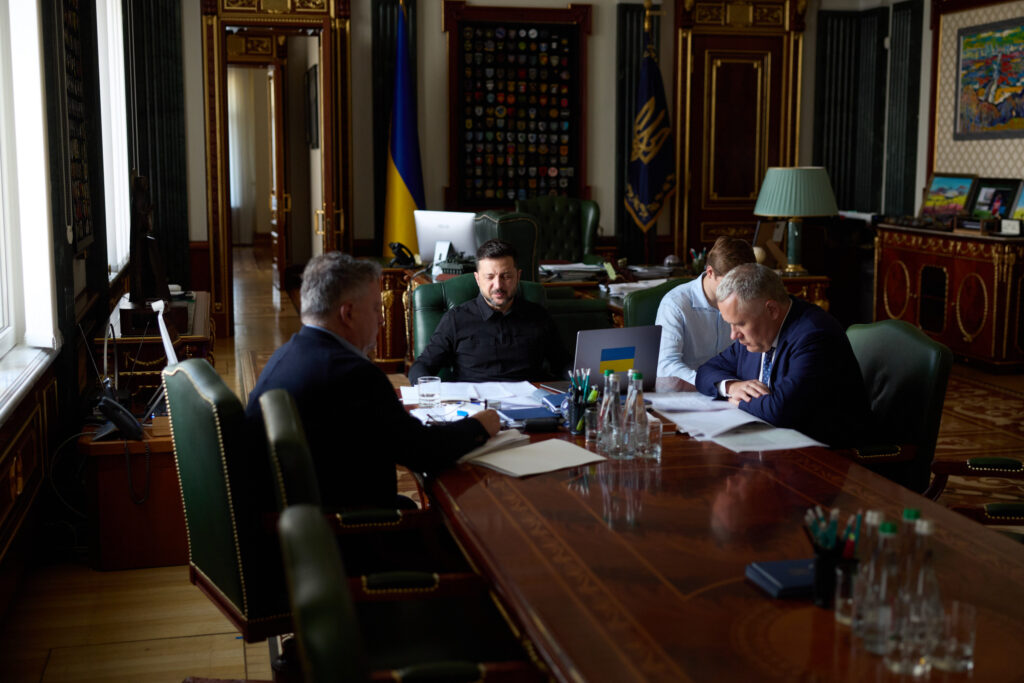
Featured image: Volodymyr Zelenskyy via X