

London, UK – Russian Foreign Minister Sergei Lavrov claimed that Ukraine attempted an attack on President Vladimir Putin’s residence in the northern region of Novgorod, on Monday, December 29, 2026.
According to Lavrov, Moscow’s position in the U.S.-brokered peace talks over the war in Ukraine will be reviewed following the events.
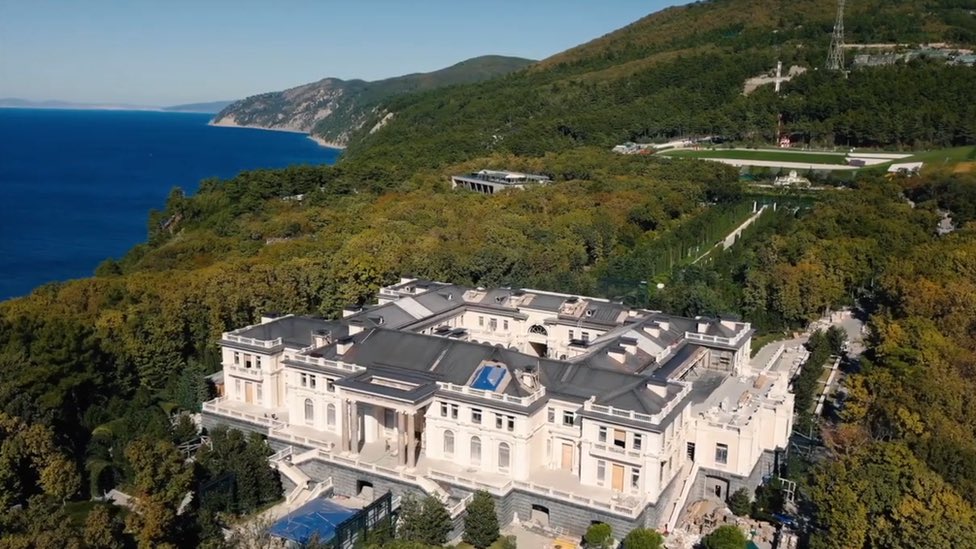
The Valdai residence, better known in Russian as Dolgiye Borody, is one of Putin’s most secluded residences, located in a rural village of the same name. It covers more than 250 acres and is surrounded by dense forests and a lake.
Ukraine denied the attack, with Foreign Minister Andrii Sybiha stating that no such assault occurred.
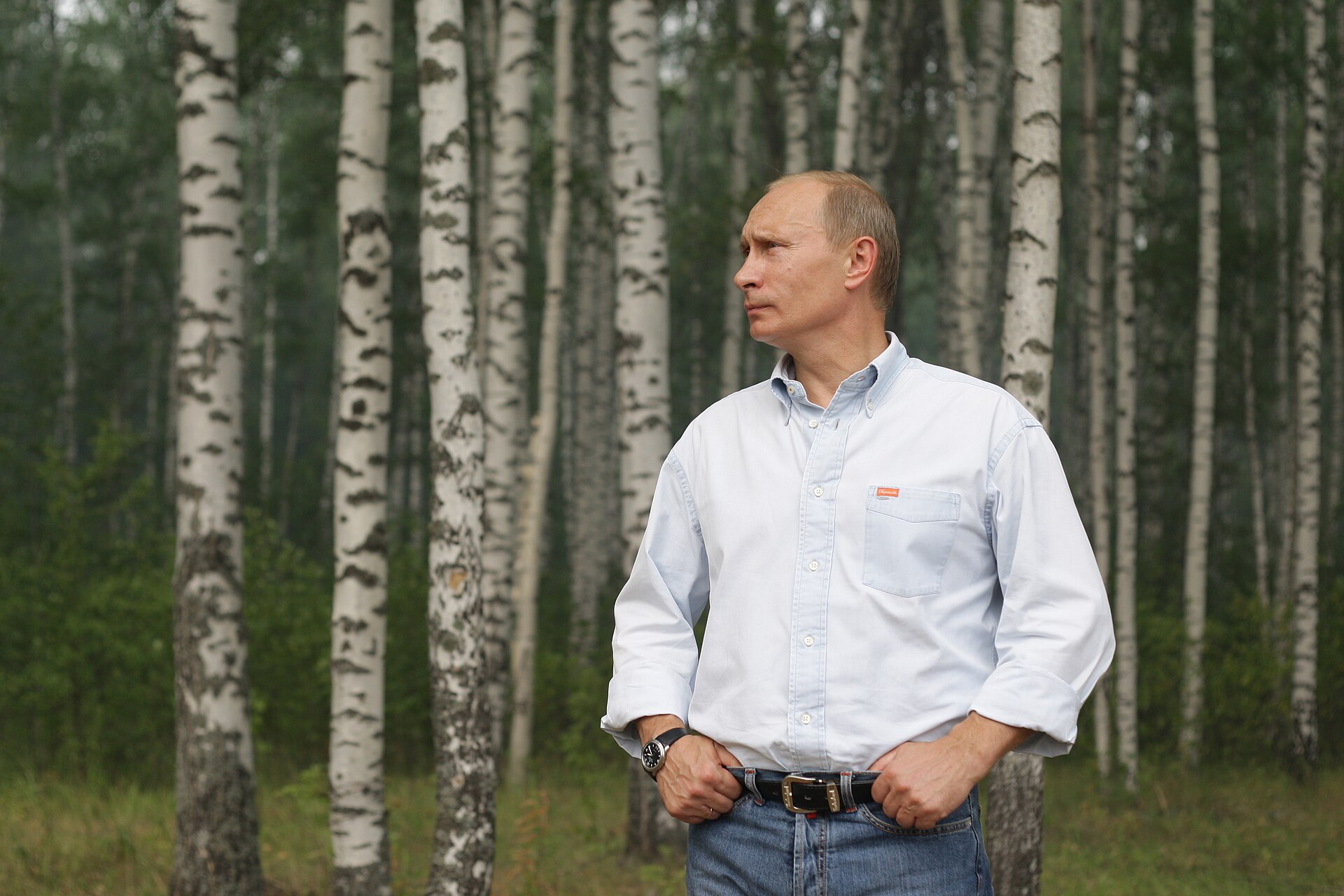
Source: Wikimedia Commons via Press service of the government of Russia
Creative Commons License
Meanwhile, Ukrainian President Volodymyr Zelenskyy called the allegations dangerous, warning they could undermine Ukraine’s diplomacy with the Trump administration, while stressing that the proposed peace plan is still under review.
Through X, the leader said: “This alleged ‘residence strike’ story is a complete fabrication”.
He added that it was intended to justify additional attacks on Ukraine – including an assault against Kyiv – and criticized Russia’s refusal to take necessary steps to end the war.
Diplomatic reaction
The U.S.’s Central Intelligence Agency (CIA) denied the attack allegations on December 31, stating that Ukraine has never attacked Putin’s residence in Novgorod.
President Donald Trump, while in conversation with AP News, said that he does not believe Ukraine targeted Putin’s residence, adding that something else might have happened nearby.
“There is something that happened fairly nearby, but had nothing to do with this”, he said.
EU officials also denied the Russian allegations.
Kaja Kallas, Vice-President of the European Commission, accused the Kremlin of trying to obstruct the peace process by fabricating allegations of a Ukrainian attack on sites of governmental importance.
“Russia’s claim that Ukraine recently targeted key government sites in Russia is a deliberate distraction,” she said.
“No one should accept unfounded claims from the aggressor who has indiscriminately targeted Ukraine’s infrastructure and civilians since the start of the war,” Kallas added.
Russia’s previous claims against Ukraine
The Putin regime had already been spreading disinformation on a wider scale prior to the recent attack claims, starting in 2022 after the full-scale invasion of Ukraine.
In 2022, immediately after the invasion, Russia justified its actions by citing an alleged NATO expansion, as well as purported Ukrainian biochemical laboratories and nuclear facilities in the eastern Donbas region.
At the time, the Kremlin also claimed that the Russian-speaking population in eastern Ukraine was allegedly experiencing oppression and genocide at the hands of the Kyiv regime.
Both statements proved to be wrong by Western intelligence and EU institutions.
Expert perspectives
In an exclusive comment for EU Reports, an analyst currently in Ukraine, and speaking on condition of anonymity, noted that Trump’s initial reaction to the allegations demonstrated a striking tendency to trust Russia’s claims before any evidence had been verified.
According to the analyst, the lack of Trump’s reaction to Russian strikes on Ukrainian cities and homes is strikingly rare compared to his response to the false Ukrainian attack.
“This makes Ukraine’s long suffering appear less important than Putin’s residence,” he added.
Ultimately, the U.S. leader’s reaction to the incident – including his controversial suggestion that something may have happened nearby while officially denying the attack – shows how susceptible his administration is to Russian disinformation. This highlights how effective Russian disinformation tools still are on Ukraine’s partners.
Such vulnerability makes progress toward a just peace for Ukraine significantly harder.
Featured image: President Vladimir Putin’s home in Valday, Novogorod.
Source: Jason Jay Smart via X.