
Péter Magyar has won a landslide victory in the Hungarian Parliamentary elections of April 12, 2026, ousting incumbent Prime Minister Viktor Orbán after his 16 years in power.
The contest was a high stakes one from the start, with implications for the future of Hungarian democracy and the cohesion of Europe in the face of Russian aggression.
From the early hours of election day, it was evident that turnout amongst Hungarian voters was considerable, with around 77.8% of eligible voters going to the polls – record numbers exceeding any election held in the country since the collapse of Communism.
Whilst polls had been due to close at 19:00 local time, voters who were already waiting at polling stations could still cast their votes after this point.
Orbán, who had won four consecutive elections since 2010, had drawn widespread criticism for his illiberalism, erosion of democratic norms, and his closeness to Russian President Vladimir Putin.
Whilst Magyar had enjoyed a clear lead in the polls since the beginning of the contest, many had still speculated that Orbán would retain his grip on power given the level of influence his Fidesz party held over much of the Hungarian media – as well as accusations of extensive gerrymandering and an unequal playing field.
Read more: The end for Orbán?: Europe looks ahead to Hungary’s elections
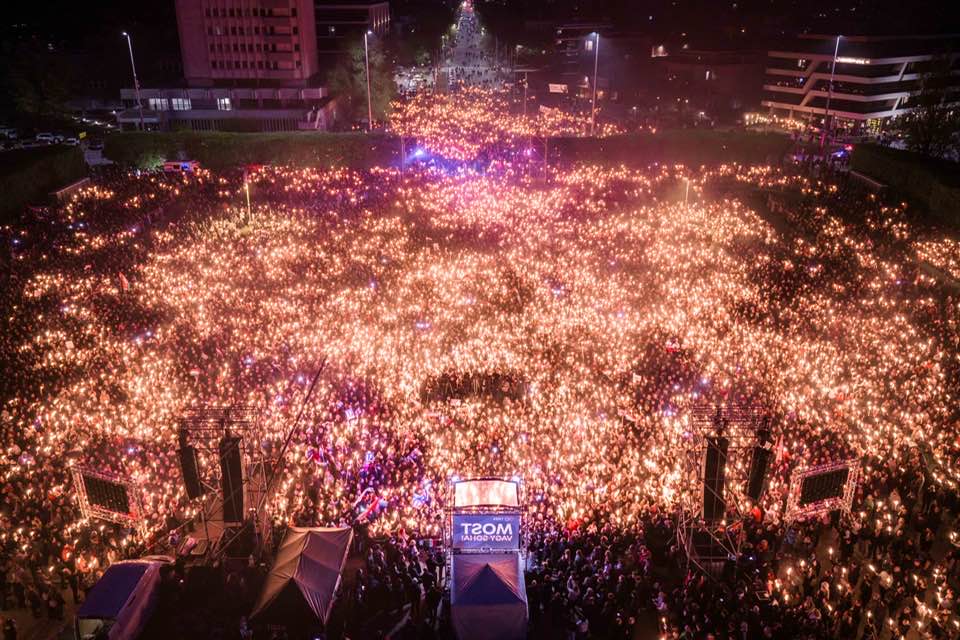
Image Source: Peter Magyar via Facebook
The election campaign has been fierce, with both sides accusing the other of disinformation and foreign interference. It has also been closely watched across Europe, especially following Orbán’s blocking of €90 billion in aid to Ukraine – an issue which he had attempted to use against his opponent, who he had portrayed as being a stooge of Brussels.
Widespread anticipation
Throughout his 16 years in power, Orbán has been accused of being a right-wing populist – in the mould of Trump, Bolsonaro, and others.
Hungary itself has been regarded by the international populist right as a crucial battleground, with U.S. President Donald Trump giving Orbán his full endorsement and sending Vice President JD Vance to the country in the week prior to the election to show support.
Italy’s Giorgia Meloni and Israel’s Benjamin Netanyahu had also been among those backing Orbán, whilst most European leaders have made it clear they hope a change in leadership in Hungary will signal a reset in relations between Brussels and Budapest.
Even given Orbán’s advantages institutionally and within the media, it would appear that the extent of popular discontent with his government after so long was too widespread for him to have any chance of securing another term.
Magyar, who was himself a member of Orbán’s Fidesz party before joining the centre-right Tisza party, has managed to gain a much wider cross-section of support than previous opposition leaders, successfully attracting former Fidesz voters as well as first-time voters.
Whilst he has pledged to end the corruption seen under Orbán and normalize relations with the EU, Magyar is a conservative who has remained opposed to higher migration, as well as to any additional support for Ukraine. It is likely that Budapest will also continue to oppose Ukraine becoming a member of the EU, even following its change in leadership.
Peter Magyar’s leadership
Although opinion polls had consistently shown Magyar to be in the lead, commentators remained cautious in calling the elections ahead of the final results, with many speculating whether Orbán would attempt to contest the final result.
Ultimately, Orbán conceded defeat after the scale of Magyar’s win became clear, ringing Magyar up personally to confirm this even as results continued to come through, before then announcing his defeat to his supporters.
“I congratulated the victorious party,” Orbán stated. “We are going to serve the Hungarian nation and our homeland from opposition as well.”
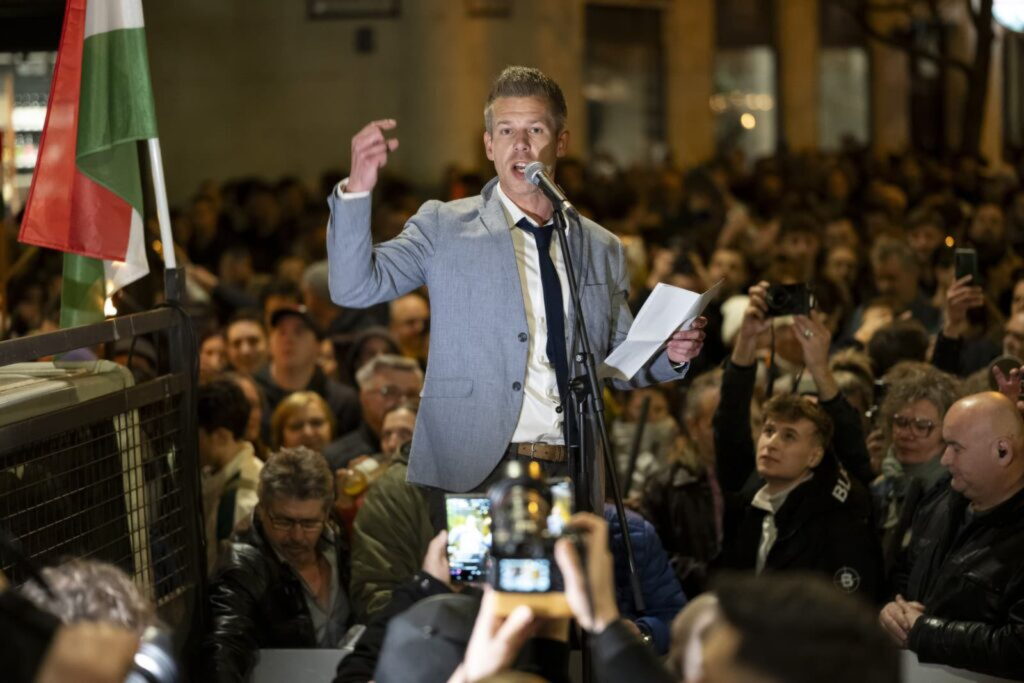
Magyar called it a “historic day,” having previously stated that “tonight the nightmare we have been living these past years will come to an end.” He thanked all those who had turned out to vote for him, and called on Hungarians “to be peaceful, patient, and prepare for celebrations later on.”
“Tisza did not just win the election – all signs post to a strong two-thirds majority at the National Assembly. This means a peaceful, efficient transfer of power,” Magyar added.
The elected leader welcomed his party’s win as the triumph of truth over lies, stating “love won today, because love always wins. Together, we liberated Hungary and got rid of the Orbán regime. In the history of democratic Hungary, this many people have never voted before, and no single party has ever received such a strong mandate as Tisza.”
People have been crowding the streets in Budapest, with jovial Tisza supporters watching the results roll in on screens set up near the Hungarian Parliament, by the Danube river.
Magyar is on track to win some 138 seats – exceeding the 133 needed for a constitutional two-thirds majority within the Hungarian Parliament. This will give him far greater scope to bring about constitutional change, which Hungarian commentators suggest he would need if his new government is not to be blocked by the institutional barriers Fidesz might place in the way of any incoming government.
Magyar has called for the restoration of proper checks and balances to Hungary’s political system, and stated that Orbán’s “puppets” must be removed from Hungary’s institutions – adding that those who “stole from the country have to face consequences.”
International reaction
The news of Magyar’s win has been welcomed across Europe. “Europe’s heart is beating stronger in Hungary tonight. Hungary has chosen Europe. Europe has always chosen Hungary,” noted European Commission President Ursula von der Leyen.
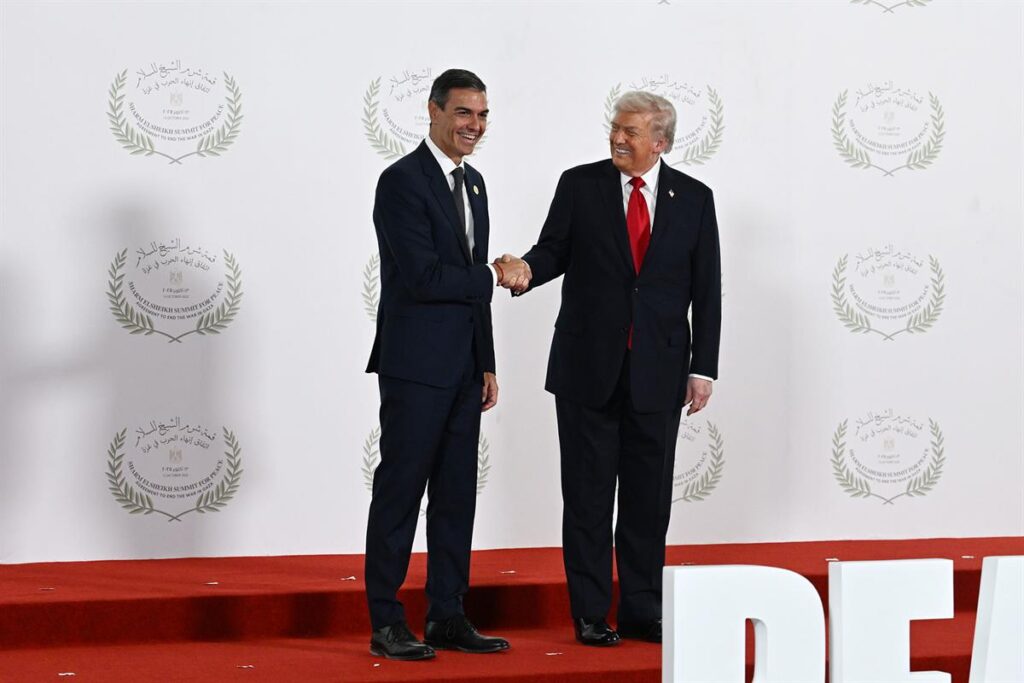
“Today Europe wins and European values win,” stated Spanish Prime Minister Pedro Sánchez, whilst French President Emmanuel Macron welcomed the result as the “victory of democratic participation, the Hungarian people’s commitment to the values of the European Union, and Hungary’s commitment to Europe.”
Meanwhile, UK Prime Minister Sir Keir Starmer described the election as a “historic moment, not only for Hungary, but for European democracy.”
Ukrainian leader Volodymyr Zelenskyy also extended his congratulations to Magyar, stating: “It is important when constructive approach prevails. Ukraine has always sought good-neighbourly relations with everyone in Europe and we are ready to advance our cooperation with Hungary. We are ready for meetings and joint constructive work for the benefit of both nations, as well as peace, security, and stability in Europe.”
Slovakian prime minister Robert Fico, a key ally of Orbán’s, has congratulated Magyar and stated he is “ready for intensive cooperation” with the new government. However, he had previously indicated he would still be voting against the EU’s aid package towards Ukraine, regardless of the outcome in Hungary.
Russian special envoy Kirill Dmitriev has also stated that the result will “just accelerate the collapse of the EU.”
German Chancellor Friedrich Merz and Polish Prime Minister Donald Tusk, however, have further hailed the news as proof that the perceived global slide towards authoritarian populism is not inevitable.
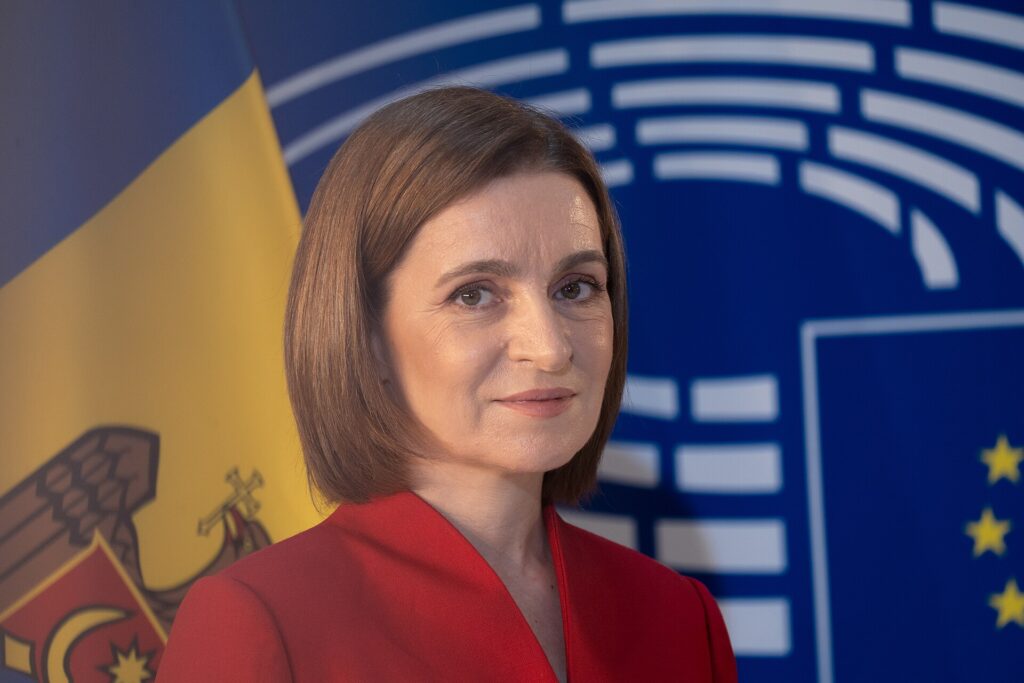
“Everyone feared there was a trend toward authoritarian, corrupt regimes,” Tusk stated. “That’s not the case. First Warsaw, then Bucharest, Chisinau, now Budapest.”
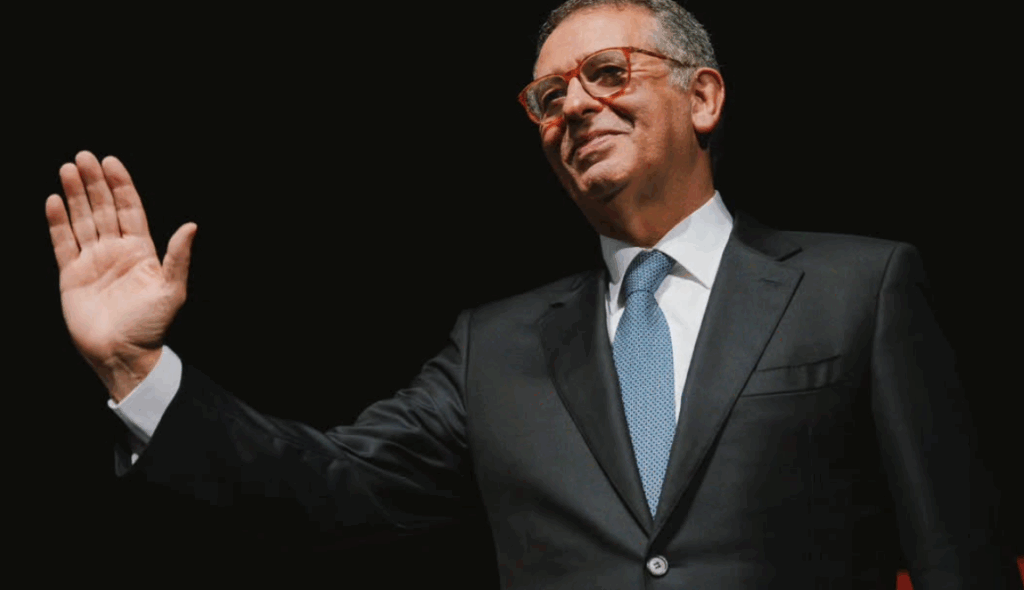
Featured image: Maďarská opozícia kritizuje novelu Trestného zákona pre Benešove dekréty
Source: Televizia Veci Verejne
Creative Commons Licenses