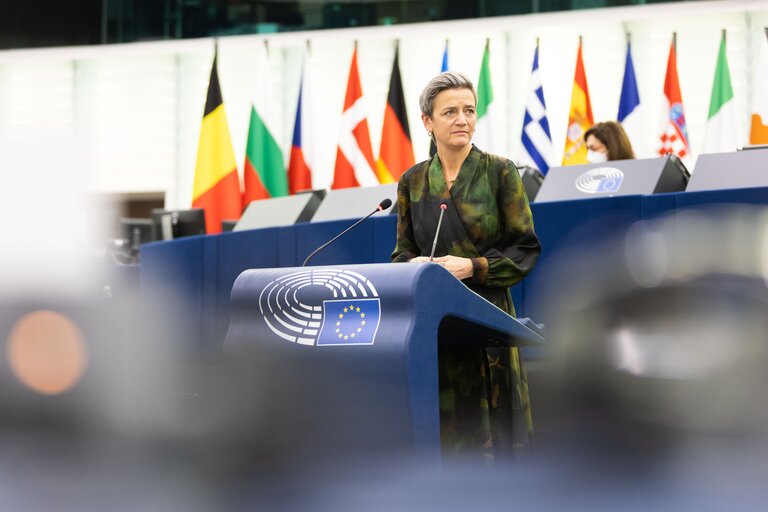


Europe is now over halfway through its “Digital Decade Policy Programme 2030,” which laid out a comprehensive digital transformation target for businesses.
Today 90% of SMEs are expected to reach at least a basic level of digital intensity by 2030, while 75% of EU companies are predicted to use cloud computing services, perform big data analysis, or use artificial intelligence by the end of this decade.
Digital strategy also includes a push to develop sovereign digital infrastructure. This month details of EURO-3C were unveiled for the first time. The first pan-European sovereign infrastructure will integrate telco, edge, cloud and AI capabilities under a federated, open and secure model, designed to accelerate Europe’s digital and industrial transformation.
The €75 million project funded by the European Commission’s Horizon Europe programme promises to provide European businesses with the frameworks they need to work safely, securely and in compliance with EU regulations.
This allows companies to focus on their own innovation initiatives with both regional and international partners, such as Ness Digital Engineering.
Digital transformation partnerships across Europe
Ness Digital Engineering (Ness) is a leading global provider of intelligent data and software engineering services with a long-standing presence in Europe.
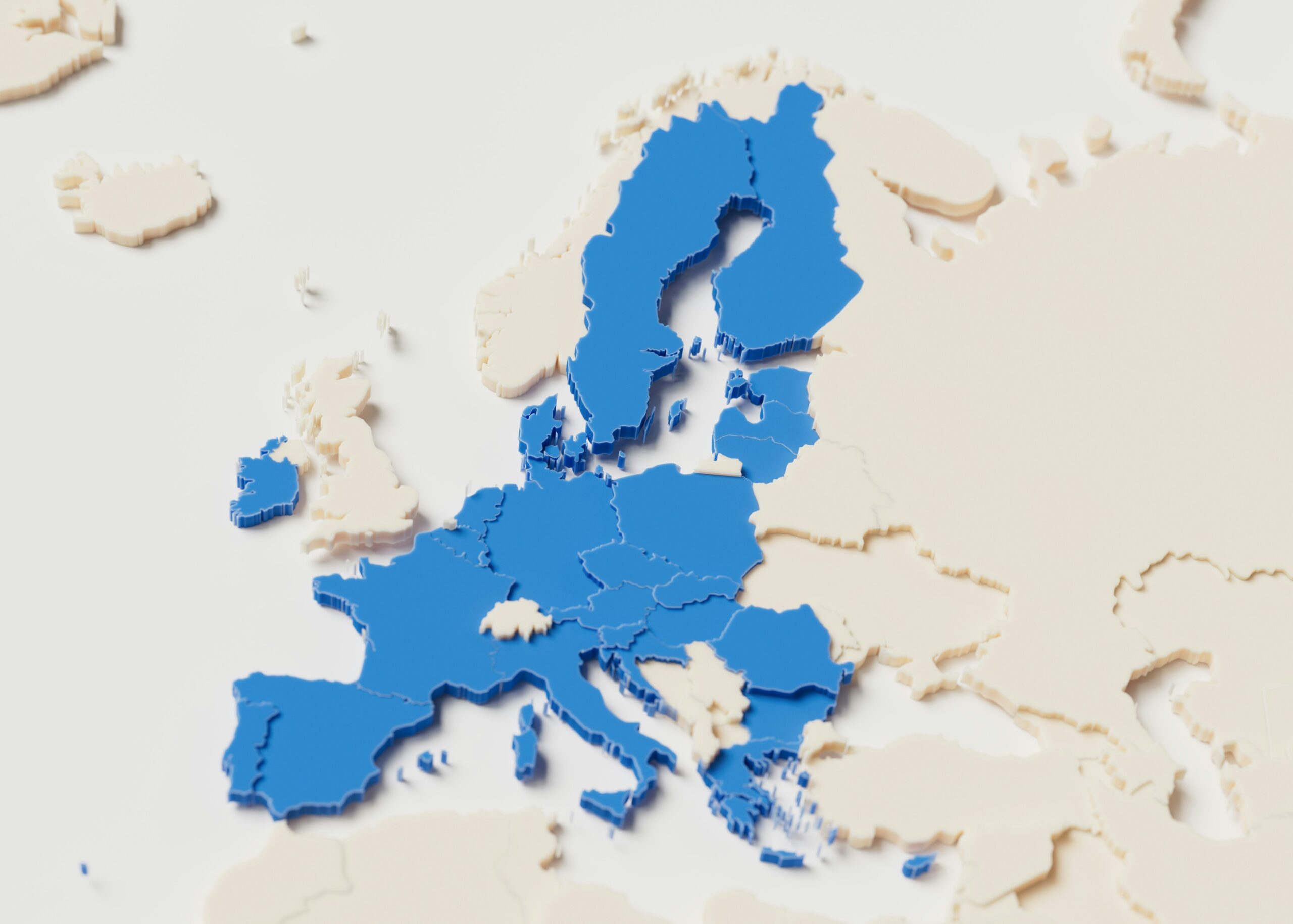
With established offices in the UK, the Czech Republic, Romania, Slovakia, Latvia and Germany, Ness is helping European companies achieve their innovation goals and support the digital decade targets.
For instance, the Michelin Group grew from its roots in France to an internationally recognized brand. Ness worked with Michelin Connected Fleet to standardize development operations and create a single, scalable system of record through a unified Jira Cloud platform.
Supporting 70,000 fleets and 600,000 vehicles across Europe, North America, and Latin America, Michelin Connected Fleet needed a way to maintain its engineering infrastructure as it scaled globally. Ness helped to solve fragmented Jira workflows, inconsistent KPIs, slow development cycles and collaboration challenges with a clean, modern development environment aligned across regions and teams.
In addition to helping to address digital pain points that stand in the way of innovation and growth, the company acts as a strategic partner in the region.
According to data from Ness, UK-headquartered companies have established more than 130 global capability centres, contributing roughly $6.5 billion in annual value, while German enterprises increasingly leverage GCCs for complex digital services, engineering mandates, and transformation projects.
Insights like these help European companies navigate complex market conditions and keep ahead of global digital trends with guidance from Ness.
Sudip Singh takes the helm as CEO
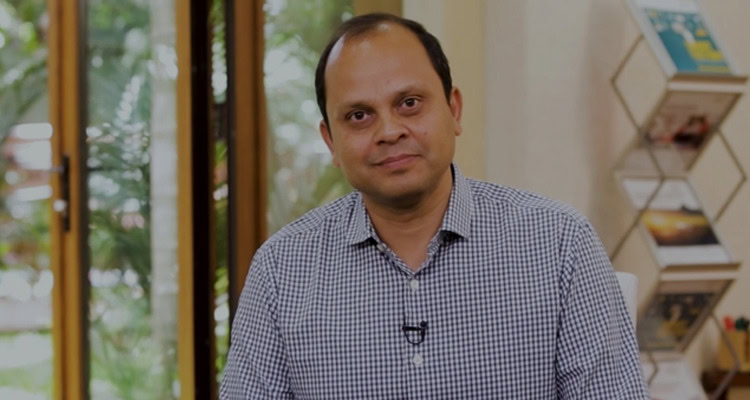
As of March 1st, Sudip Singh became the new CEO at Ness. Sudip succeeds Dr. Ranjit Tinaikar, who stepped down after six years in the role.
Sudip is an accomplished executive who brings deep experience in technology, product and client service as Ness enters its next phase of growth.
Before taking the helm at Ness, Sudip spent over seven years working as the CEO and Managing Director at ITC Infotech. Prior to this, he held a long tenure with Infosys. He first joined the company as an Account Executive in 2000. From here, Sudip progressed quickly into management and senior executive positions, acting as Global Industry Head for Energy and Utilities up until January 2019.
On his appointment as CEO of Ness, Sudip said: “Ness’ strong engineering heritage and deep domain specialization have built platforms that run some of the world’s most critical businesses. This foundation uniquely positions Ness to navigate the AI economy – where value comes from delivering business outcomes.”
“I am excited to lead Ness, with our clients’ success as our absolute true north,” concluded the CEO.