
The EU is set to provisionally apply a trade deal that could lift $4.7 billion USD (€4.02 billion) on export duties with South American bloc Mercosur despite not yet having gained parliamentary approval in a move labelled “disrespectful” by France.
The free trade agreement would cover an area populated by 720 million people – the 27 member states of the European Union, Brazil, Paraguay, Uruguay, and Argentina. Whilst supporters claim it will decrease the EU’s reliance on mineral trade with China and allow it to avoid volatile U.S. tariffs, detractors highlight risks of undercutting European agricultural producers.
Read more: Critical minerals: Could the EU-Mercosur deal allow the EU to catch up with the U.S.?
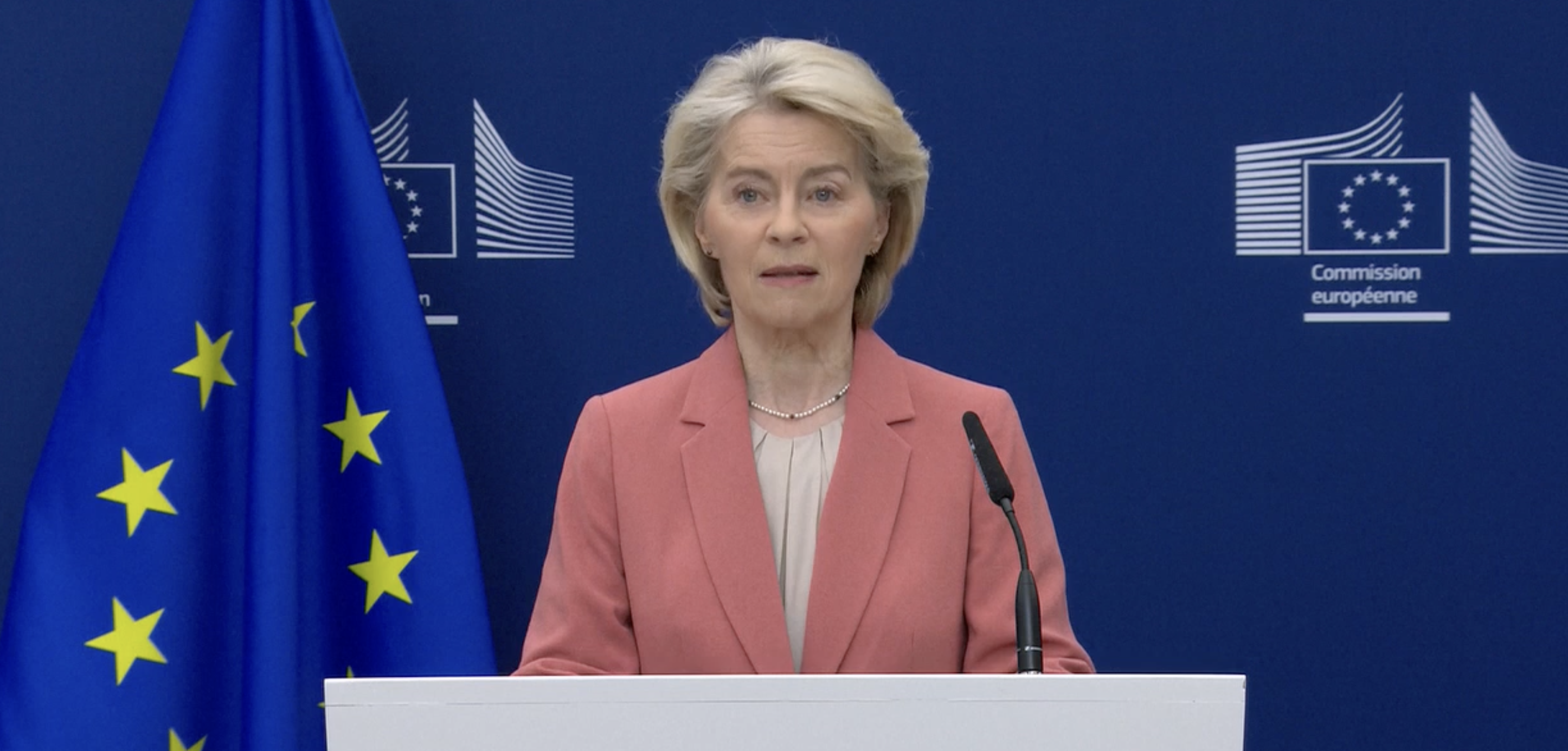
EU Commission President Ursula von der Leyen celebrated the progress of the agreement on Thursday, February 26, a day after Argentina and Uruguay became the first countries to ratify the agreement. The remaining countries, Brazil and Paraguay, are expected to soon follow suit.
“It shows the trust and eagerness of our partners to take our relationship forward and to get this landmark agreement to work […] it also gives Europe a strategic first-mover advantage in a world of sharp competition and short horizons,” she said in an official statement.
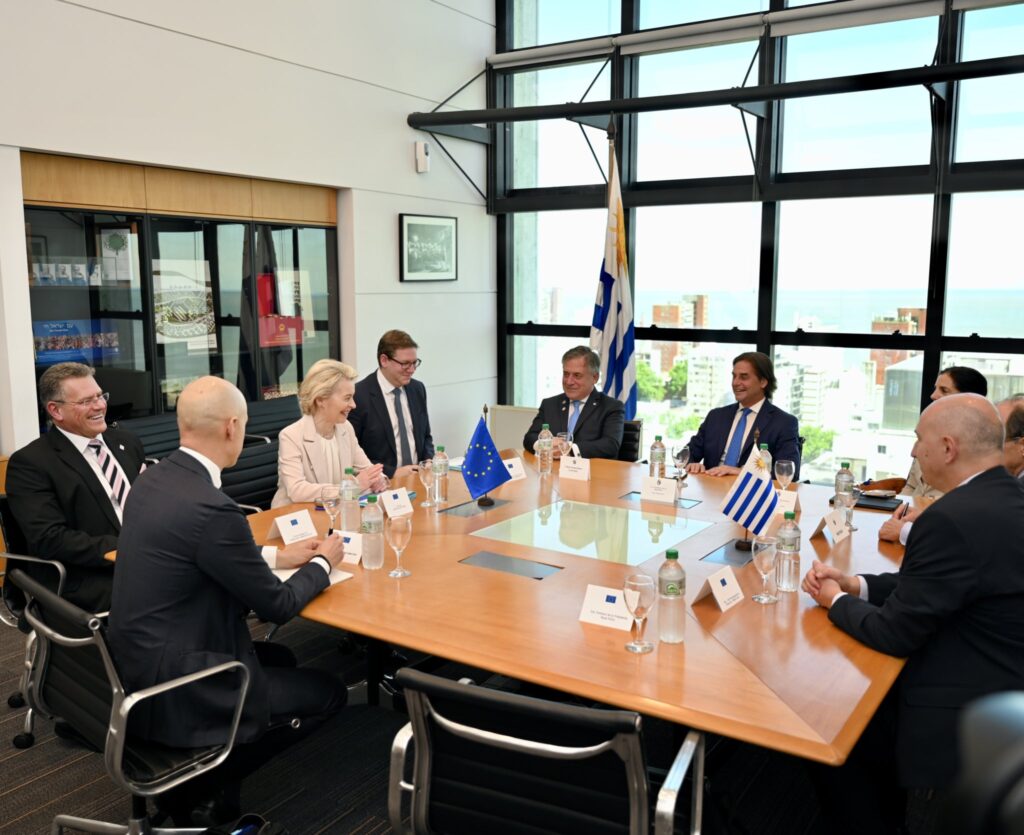
The ratification by these Mercosur nations permits the EU Commission to provisionally apply the agreement, although it will have to wait for the consent of the European Parliament before being fully implemented.
“When they are ready, we are ready,” explained the EU Commission president.
French President Emmanuel Macron has criticised the move, calling it a “bad surprise” on February 27. France, the EU’s leading agricultural producer, voted in opposition to the deal on January 21; Ireland, France, Hungary, Austria, and Poland also voted against the agreement, while Belgium abstained and 21 countries voted in support.
The European Parliament also launched a legal challenge against the deal in January, petitioning the European Court of Justice to assess its legality within existing EU treaties.
The Court may take two years to reach a decision, in which time von der Leyen will hope the advantages of the deal will have drowned out its current criticism.
German Foreign Minister Johann Wadephul has praised the Commission’s decision to fast track the deal, promising that Germany will “work tirelessly to help tap the full potential of this historic agreement”.
The free trade agreement was signed in Asunción, Paraguay, on January 17, following over two decades of negotiations. According to the Commission, it aims to increase bilateral trade and investment while promoting shared values and sustainable development between the two groups.
Mercosur’s exports to the EU totalled €57 billion euros in 2024, making it the region’s second largest trading partner.
Featured image: Screenshot
Source: European Commission