


Barcelona, Spain – Hungarians are set to go to the polls on April 2 to elect their Prime Minister and Parliament, in what is being described by many as the most important EU elections this year.
On Saturday, February 21, the official election campaign window opens for the country’s parliamentary elections. But in reality, the process has already captivated the attention of Hungarians and foreigners alike, who wonder if the country’s Prime Minister Victor Orbán could be voted out of power.
Who are the main candidates?
Viktor Orbán, Fidesz Party
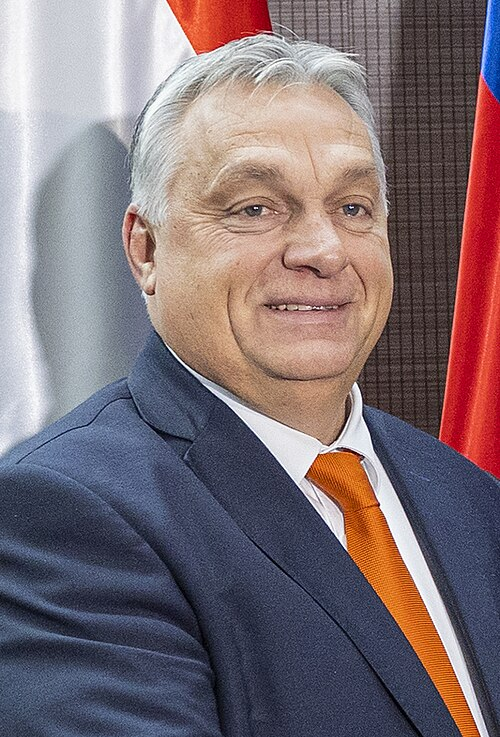
Incumbent Victor Orbán, leader of the right-wing Fidesz Party, is running for his fifth consecutive term as Prime Minister, and his sixth term overall. Since coming to power in 2010, Orbán has turned Hungary into an “illiberal democracy”.
The head of state has made a name for himself on the world stage through his populist and socially conservative views; he is a Eurosceptic who has said the EU poses a greater threat to Hungary than Russia. And, as one of a few European leaders to maintain close relations with Russian President Vladimir Putin since the Russia-Ukraine war began in 2022, he is also popular among Make America Great Again Republicans in the U.S.
Péter Magyar, Respect and Freedom Party (Tisza)

The main opposition candidate for Hungary’s election is Péter Maygar, a former member of Fidesz and ex-Orbán ally.
Since the 2024 European Parliament Elections, Magyar has been considered the de facto opposition leader in Hungary, with his party currently leading in polls.
Magyar resigned from Fidesz in early 2024, in the wake of a scandal surrounding the decision by the former president of Hungary, Katalin Novák, to pardon Endre Kónya – who was convicted of conspiring to cover up child sexual abuse in the Kossuth Zsuzsa Children’s Home, where he worked as deputy director. Many in Hungary allege that Orbán knew about the decision to pardon Kónya.
Following the scandal, Novák resigned as president, as did Justice Minister Judit Varga, who is also Magyar’s ex-wife. Varga has accused Magyar of abusing her during their marriage, allegations that he denies.
As a centre-right conservative, Magyar opposes any change to Hungary’s hardline stances on immigration and EU membership for Ukraine. He has centered his campaign around Orban’s corruption, the cost of living crisis, and pursuing better relations with the EU.
Klára Dobrev, Democratic Coalition
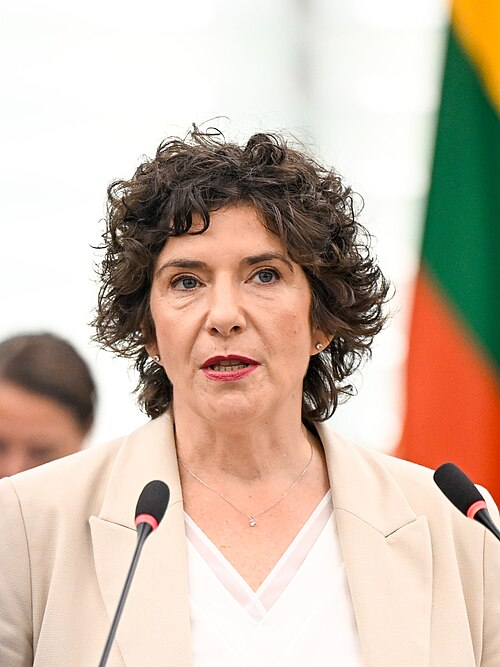
Formed in 2010, the Social-Democratic party currently has 15 MPs in the Hungarian National Assembly – the second-highest number after the ruling Fidesz party.
Ahead of the 2022 Hungarian election, Dobrev ran as a candidate in the primary contest to determine who would be the leader of the opposition campaign against Orbán. The Democratic Coalition leader came runner-up to Péter Márki-Zay, with 43% of the vote.
Dobrev’s party is a member of the wider Party of European Socialists.
László Toroczkai, Our Homeland
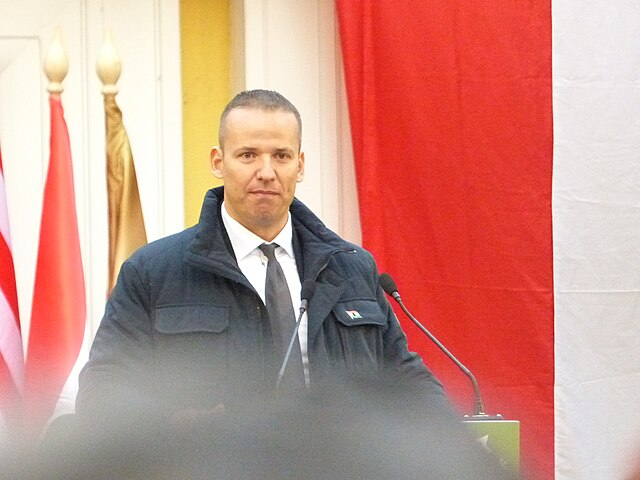
The far-right, nationalist, anti-immigration, and pro-Russian Our Homeland party, founded in 2018, has six seats in the National Assembly. It has also been accused of promoting anti-semitism, Islamophobia and anti-Roma sentiments.
Toroczkai is the former mayor of Ásotthalom, a village near the Hungary-Serbia border. During his tenure as mayor, he proposed the creation of a border fence to halt irregular migration, banned public displays of affection by gay individuals, and said he “wouldn’t like to attract Muslim people [to live] in the village”.
Gergely Kovacs and Zsuzsanna Döme, Hungarian Two-Tailed Dog Party
A satirical political party formed in 2006 as the Hungarian Two-Tailed Dog Party, which currently has no seats in the National Assembly. Yet, it is the fourth most-popular party, according to an opinion poll by PolitPro.

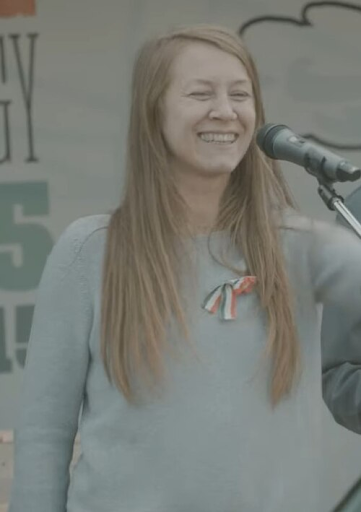
In previous elections, the party has run on a platform of delivering free beer and eternal life. On their website, the party says that they “try to catch the attention of local governments” and “aim to do things which actually produce results”. They claim to have raised more than €20,000 in donation packages to Ukraine.
How will the elections work?
Hungary is a parliamentary representative democratic republic, meaning citizens do not elect a Prime Minister directly, but rather vote for representatives of the National Assembly – a body made up of 199 seats.
Of the Assembly seats, 106 are elected on a constituency basis: the country is divided into 106 constituencies, and the candidate who gets the most votes in every constituency is elected.
The remaining 93 seats are allotted based on a proportional representation system: every political party that wins above 5% of the national vote is assigned a number of seats based on the proportion of votes they obtained at the national level.
The elections this April will be the fourth time this particular system has been used, after Orbán changed the Hungarian Constitution in 2011.
There is also a group of National Minority Councils, smaller political parties who advocate for the rights of different ethnic minorities within Hungary. Their members can be elected to the National Assembly, but most are too small to meet the threshold required for a seat based on proportional representation. In place of a voting seat, they can send a spokesperson to the assembly.
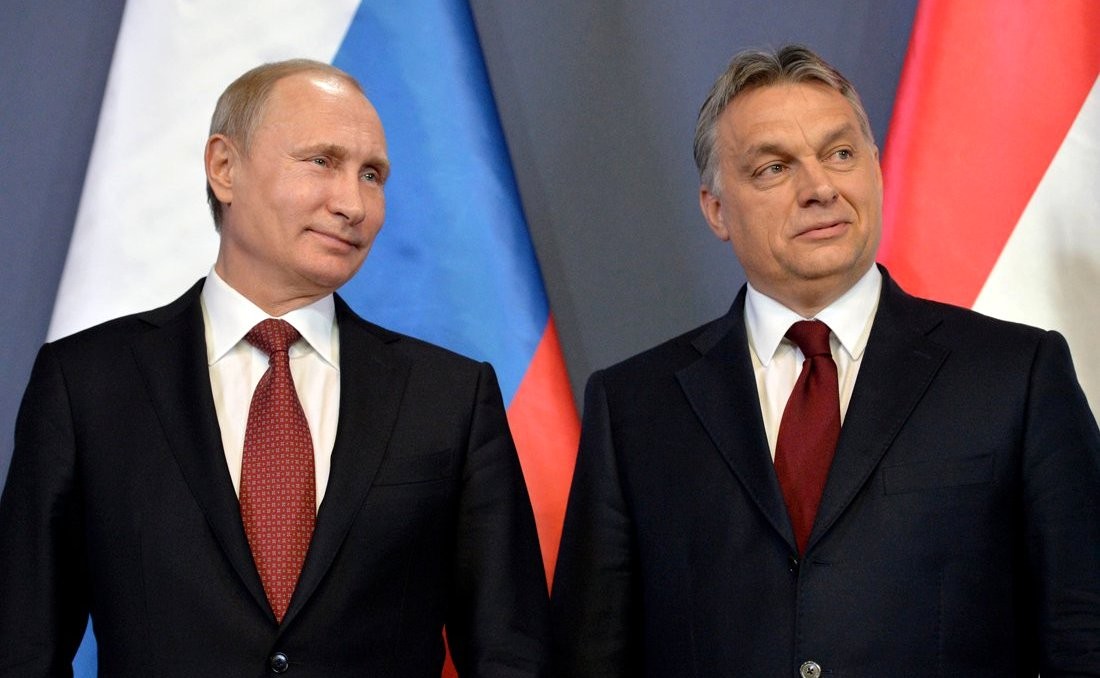
Featured image: Vladimir Putin with PM Viktor Orbán on a visit to Hungary in February 2015
Source: Wikimedia Commons
Author: Presidential Press and Information Office
Creative Commons Licenses



.jpg)
.jpg)

