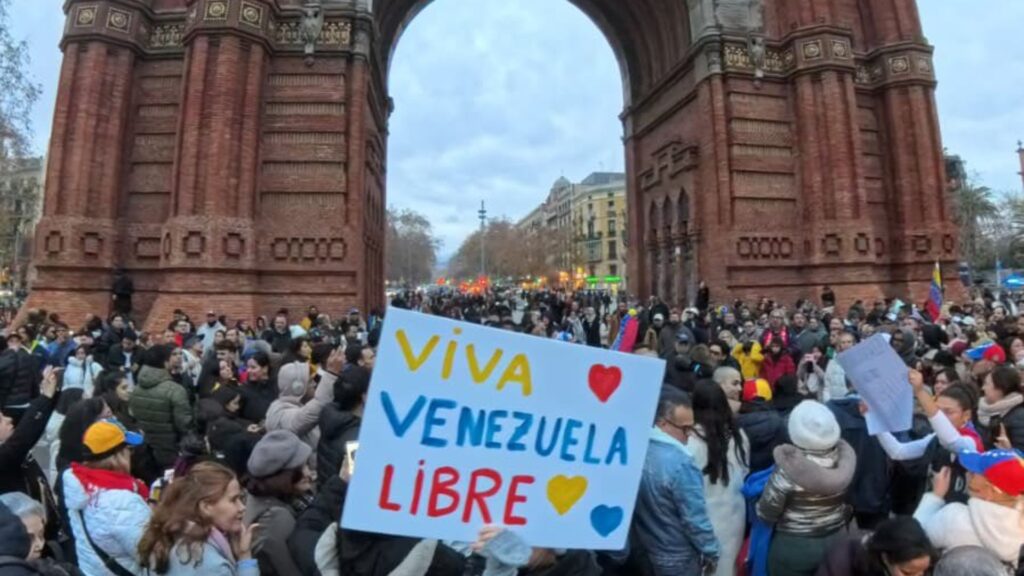

London, UK – Following the Trump administration’s dramatic capture of Venezuelan President Nicolas Maduro on Saturday, January 3, the U.S. leader has escalated his “Donroe Doctrine” rhetoric by repeating his threat to annex Greenland.
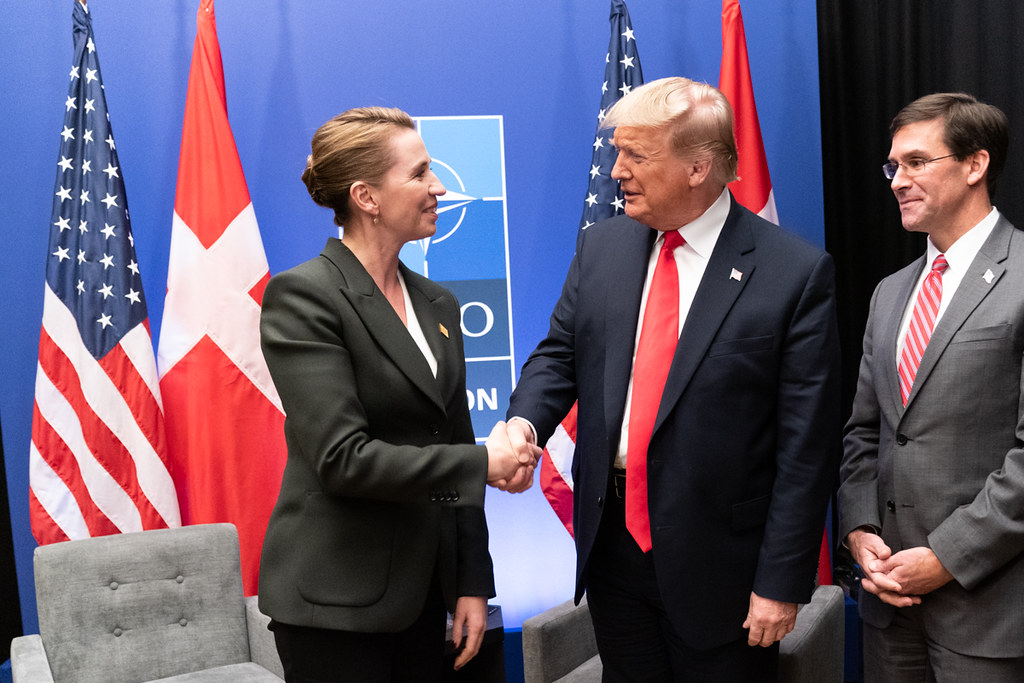
Speaking to reporters on January 5, President Trump stated that the U.S. “needs” the island – an autonomous territory of the Kingdom of Denmark – for national security purposes.
Read more: Greenland emerges as new focus of U.S. geopolitical ambitions
These increasing tensions and alleged disregard for international law has prompted a slew of statements from European leaders, ranging from condemnation to caution, as heads of state weigh up the risks of upsetting the bellicose superpower.
Read more: European leaders urge restraint as Venezuela’s Maduro is captured by the U.S.
Keir Starmer, the embattled British Prime Minister, faces the same tightrope as he juggles placating the UK’s biggest trade partner and defending a NATO ally in Denmark.
So far Starmer has offered differing statements, urging patience for information on Venezuela whilst providing a stronger statement in support of Greenland.
When pressed, Starmer repeatedly refused to condemn U.S. actions in the Latin American nation, despite allegations that the capture violated international law. He stressed the “fast-moving” nature of events and his hesitation to make a judgement, telling the BBC that he wants “to get all the material facts together.”
The statements have been interpreted by some as intentional deference to American partners, made more stark due to the prime minister’s well-published background as an international human rights lawyer.
Starmer has been keen to maintain the “special relationship” between the UK and the U.S., even reportedly questioning advisors if he was “willing to risk damaging our most important economic and national security partnerships” by criticising the Trump administration.
Such hesitation has been further shown by Foreign Secretary Yvette Cooper, who recently said that she has “raised the general concept of complying with international law” with U.S. secretary of state Marco Rubio, as per Pippa Crerar, political editor at The Guardian.
In contrast to his softer response to events in Venezuela, Starmer has offered more confident commentary on Trump’s renewed threats to annex Greenland:
“Greenland and the Kingdom of Denmark must decide the future of Greenland, and only Greenland and the Kingdom of Denmark,” he said.
He furthered this statement in a joint declaration released alongside the governments of France, Germany, Italy, Spain, Poland, and Denmark. Initially, however, his party showed the same trepidation, with Home Office minister Mike Tapp refusing to pass judgement on Trump’s Greenland plans.
Starmer’s cautious tone regarding Venezuela has attracted much criticism both from within his Labour Party and amongst the British opposition. Left-wing Labour MPs have sharply rebuked Starmer’s stance, with Richard Burgon labelling Starmer’s statement as “shameful and reckless.”
This internal criticism has mounted following the statements of Dame Emily Thornberry, Chair of the Commons Foreign Affairs Committee. Speaking on Radio 4, she called the operation “not a legal action”, and is thus far the most senior Labour MP to voice their disapproval.
The opposition has also pounced on Starmer’s perceived ambivalence. Sir Ed Davey, leader of the centrist Liberal Democrats, said on X that “Keir Starmer should condemn Trump’s illegal action in Venezuela”, and that Labour is giving him a “free pass to break international law”.
Speaking to EU Reports, Liberal Democrat Foreign Affairs Spokesperson Calum Miller echoed Davey’s scathing remarks, saying:
“Trump’s interventions in Venezuela are surely in violation of international law – yet our tight-lipped Prime Minister is refusing to call that out. Rather than give the British public the information they deserve about such a brazen attack by the President of the United States, Downing Street is giving him cover by pleading the fifth.”
“That’s the wrong approach. The Government must release any legal advice they hold on whether or not President Trump has broken international law. If he has, the British people deserve to know,” he added.
Similarly, Zack Polanski, leader of the left-wing Green Party, has claimed that Starmer is “enabling Trump” in an act of “craven cowardice”.
Even Nigel Farage, head of the hard-right Reform UK party, has called Trump’s actions “unorthodox and contrary to international law”, though he caveated this by saying if American actions “make China and Russia think twice, it may be a good thing”.
Both domestic and international pressure will continue to rise on Starmer as Trump’s unpredictable geopolitical gambit unfolds.
Both leaders are due to meet in Paris on Tuesday, January 7, although how the Prime Minister will manage the situation remains uncertain.
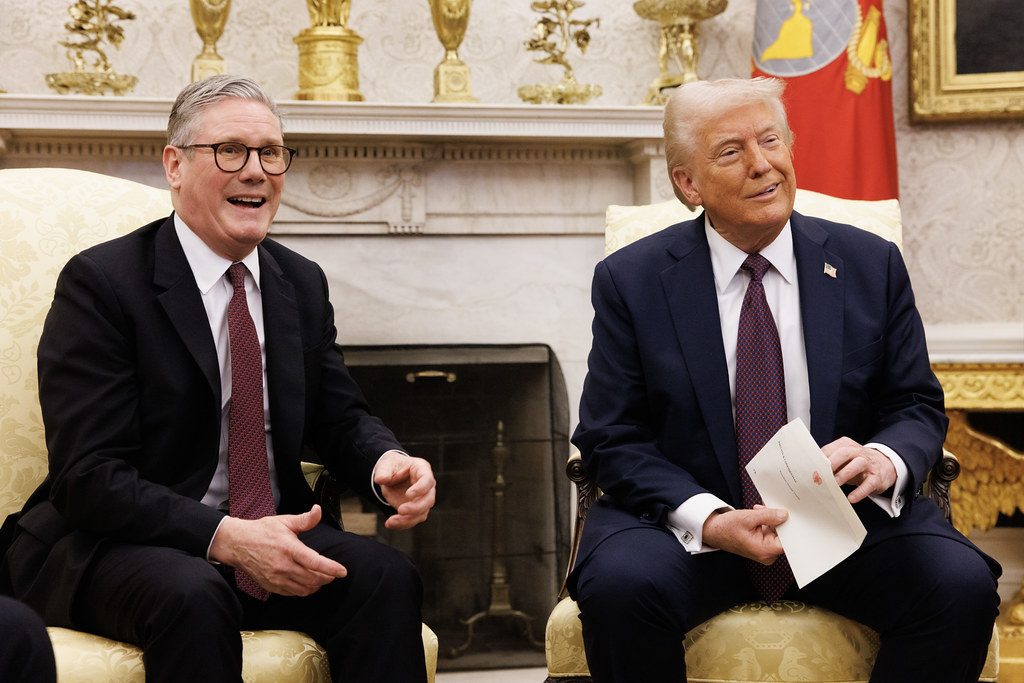
Featured image: Prime Minister Keir Starmer meets US President Donald Trump
Source: Number 10 via Flickr
License: Creative Commons Licenses